English: Inn Meaning: An inn is a small establishment providing lodging, food, and drink, especially for travelers. Historically, it served as a roadside tavern or public house offering overnight stays. In British English, it can also refer to one of the Inns of Court in London, which are societies for aspiring lawyers. Pronunciation: IPA: /ɪn/, with stress on the single syllable. It rhymes with “pin” or “win.” Note the homophone “in,” which is a preposition. Etymology: From Middle English inn, from Old English inn (“a dwelling, lodging”), related to Icelandic inni (“dwelling place”). It traces back to Proto-Germanic *inną, meaning “inside” or “home.” Morphology and Grammar Notes: “Inn” is primarily a countable noun (e.g., “an inn,” “two inns”). Plural: inns. As a noun, it follows standard English declension. Rarely used as a verb (obsolete), meaning “to lodge” (e.g., “They inned at the old tavern”). No irregular forms; it’s invariable in modern use. Short Interesting Facts: Inns date back to Roman times as tabernae along roads. In medieval England, they were vital for pilgrims and merchants, often featuring a central hall for communal dining. The term inspired phrases like “innkeeper” and appears in literature, such as Chaucer’s Canterbury Tales, where travelers gather at inns. Cultural or Contextual Features: In American English, inns evoke quaint, rural charm, like bed-and-breakfasts. In the UK, historic inns like The Tabard in Southwark link to literary history. Today, “inn” suggests cozy, traditional hospitality, contrasting with modern hotels. Synonyms: Lodge, tavern, pub (for the drinking aspect), motel (modern equivalent). Antonyms: None direct, but contrasts with “hotel” (larger) or “homeless shelter” (non-commercial). Common Word Combinations: Country inn, roadside inn, innkeeper, put up at an inn, coaching inn. Examples: Simple: We stayed at a cozy inn. Medium: The old inn by the river serves excellent ale and has comfortable rooms. Complex: After a long journey through the misty moors, the weary travelers finally arrived at the ancient inn, where the innkeeper welcomed them with a roaring fire and hot stew. Tips on How to Learn It Easier: Associate “inn” with “in” – it’s a place to go “in” for rest. Visualize a sign swinging outside a thatched-roof building. Practice by describing travel scenarios: “I’d choose an inn over a chain hotel for authenticity.” Use mnemonics: “INN” as “Inside Nice Nightstay.” Mini-Task 1: Make a sentence using “inn” in a travel context. Mini-Task 2: Find a synonym for “inn” and use it in a sentence. Mini-Task 3: Research a famous inn (e.g., The White Hart) and note one historical fact. Mini-Task 4: Create a dialogue between two travelers discussing staying at an inn versus a hotel. In literature, “inn” often symbolizes hospitality and respite, as in Shakespeare’s works where characters seek refuge there. For pronunciation, listen to audio on dictionary sites to mimic the short vowel sound.
Meaning and pronunciation of the word ‘economy class’
English Noun: Economy Class Meaning: Economy class refers to the most affordable and basic level of seating available on airplanes, trains, and some other public transportation. It offers standard amenities with limited space and services compared to higher tiers. This term is commonly used in the context of air travel, where it represents the default option for budget-conscious passengers. Pronunciation: The word is pronounced as /ɪˈkɒnəmi klɑːs/ in British English (ih-KON-uh-mee klaahs) or /ɪˈkɑːnəmi klæs/ in American English (ih-KAH-nuh-mee klas). The primary stress falls on the second syllable of “economy” (ko-), and the word “class” is unstressed but receives secondary emphasis in the compound. Morphology: “Economy class” is a compound noun formed by combining “economy” (an adjective derived from the noun meaning efficient management of resources) and “class” (a noun indicating a category or division). It functions as a closed compound in modern usage, often hyphenated as “economy-class” when used attributively (e.g., economy-class ticket). Grammar Notes: As a noun phrase, it is typically uncountable and used in singular form to denote the category (e.g., “I booked economy class”). When modifying another noun, it becomes an attributive noun phrase (e.g., “economy-class seats”). It does not change form for number or tense. Short Interesting Facts: The concept of economy class emerged in the 1950s with the boom in commercial aviation, making air travel accessible to the masses. Airlines like Pan Am introduced it to fill seats efficiently, reducing costs through standardized seating. Today, it accounts for about 80% of airline passengers worldwide. Tips on How to Learn It Easier: Associate “economy class” with “budget” or “everyday” travel—picture squeezing into a small seat on a long flight. Practice saying it aloud while visualizing an airplane interior to link sound and image. Use apps like Duolingo for travel vocabulary to reinforce it in context. Cultural or Contextual Features: In Western cultures, economy class symbolizes democratic access to travel but often highlights inequalities, with cramped conditions sparking debates on passenger rights. In business contexts, it’s contrasted with premium classes for corporate travelers. Globally, it’s known as “coach” in the US, reflecting a more casual American English style, while “tourist class” is an older, now-rare synonym evoking leisure trips. Examples: Simple: We chose economy class for our vacation. Medium: Flying economy class saves money but can feel crowded on busy routes. Complex: Although many airlines have improved in-flight entertainment in economy class, passengers on transatlantic flights still complain about the lack of legroom, prompting some to upgrade for comfort. Synonyms: Coach (US), standard class, budget class. Antonyms: First class, business class, premium economy. Common Word Combinations: Economy-class fare, economy-class cabin, book economy class, upgrade from economy class. Mini-Tasks for Students: Make a sentence: Create your own simple sentence using “economy class” to describe a travel experience. Find a synonym: List two synonyms for “economy class” and use one in a sentence. Context challenge: Explain why someone might prefer economy class over first class, using at least three reasons.
Meaning and pronunciation of the word ‘accommodation’
English: Accommodation Etymology: From French accommodation, derived from Latin accommodātiō meaning “adjustment or compliance.” It combines accommodate with the suffix -ion, indicating action or state. The sense of “lodging” emerged around 1600. Pronunciation: In UK English: /əˌkɒm.əˈdeɪ.ʃən/ (stress on the third syllable: uh-KOM-uh-DAY-shuhn). In US English: /əˌkɑː.məˈdeɪ.ʃən/ (stress similarly: uh-KAH-muh-DAY-shuhn). Rhymes with “nation.” Morphology: Rooted in the verb accommodate (to adapt or provide for), with the nominal suffix -ion forming a noun from a verb, common in English for abstract concepts. Grammar Notes: Primarily a noun, countable and uncountable. As uncountable, it often means “lodging” (e.g., “We need accommodation for the night”). Plural accommodations refers to specific arrangements or adjustments, especially in US English. No verb form; use accommodate instead. Meanings: Lodging (chiefly British, uncountable): A place to stay, like a hotel room or hostel. Adjustment or adaptation: Fitting something to suit needs, as in physical, personal, or biological contexts (e.g., eye focus in medicine). Convenience or compromise: A helpful adaptation or settlement of differences. Commerce/Law: A loan, bill, or substitute offer in contracts. Short Interesting Facts: The word’s lodging sense arose from travel needs in the 17th century, coinciding with the rise of inns and early tourism. In linguistics, “accommodation” describes code-switching to match others’ speech styles, like adopting accents in conversations. Tips to Learn It Easier: Associate it with “accommodate” – think of “making room” for guests. Break it down: ac- (to/toward) + mod- (measure/mode) + -ation (process). Practice by noting travel ads using “accommodation” vs. American “accommodations” for hotel bookings. Cultural/Contextual Features: In British English, “accommodation” is everyday for housing (e.g., student digs). In Australia and the US, it emphasizes adjustments, like workplace “reasonable accommodations” for disabilities under law. Globally, it’s key in tourism: “Budget accommodation in Paris.” Examples: Simple: The hotel offers cheap accommodation. Medium: We made accommodations for our vegetarian guests at the party. Complex: After negotiating the terms, the two parties reached an accommodation that balanced their differing interests without further conflict. Synonyms and Antonyms: Synonyms: Lodging (housing), adjustment (adaptation), compromise (settlement). Antonyms: Discomfort (for lodging), rigidity (for adjustment), disagreement (for compromise). Common Word Combinations: Student accommodation, reasonable accommodation, provide accommodation, seek accommodation, accommodation allowance. Mini-Tasks for Students: Make a sentence: Describe your ideal travel accommodation. Find a synonym: Replace “adjustment” in “The chair needs adjustment” with a form of “accommodation.” Practice: Listen to UK vs. US pronunciations online and repeat three times.
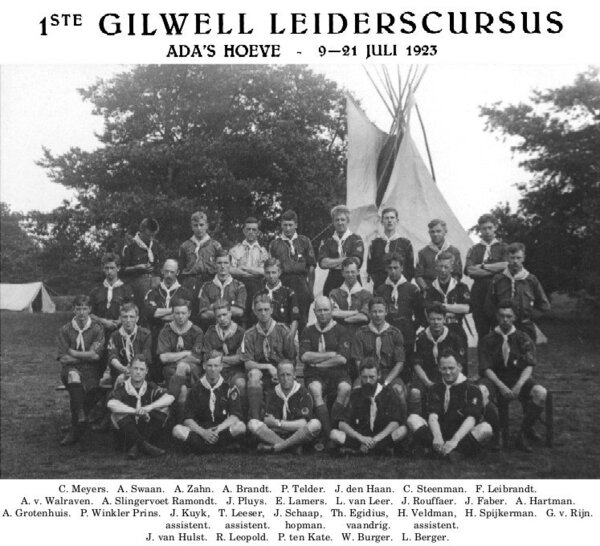
Meaning and pronunciation of the word ‘scouting’
Meaning Scouting is a noun that refers to the act of exploring or investigating an area to gather information, often for military, sports, or adventurous purposes. It also specifically denotes the Scout Movement, an international youth organization focused on character development, outdoor activities, and community service. Additionally, it encompasses the general activities associated with boy scouts or girl scouts, such as camping, hiking, and skill-building. Pronunciation The word is pronounced as /ˈskaʊtɪŋ/ in both UK and US English. The primary stress falls on the first syllable: SKOW-ting. It rhymes with words like “shouting” or “doubting.” Morphology “Scouting” is the gerund or present participle form of the verb “scout,” which originates from the Old French word escouter meaning “to listen” or “to spy.” The suffix “-ing” transforms it into a noun, indicating an ongoing action or process. It can function as a verbal noun in sentences. Grammar Notes As a noun, “scouting” is both countable and uncountable. In its uncountable form, it describes the general activity (e.g., “Scouting is fun”). The plural “scoutings” is rare but can refer to specific instances of scouting missions. It often appears in gerund phrases, like “going scouting.” Examples Simple: The boys enjoyed scouting in the woods. Medium: During the war, soldiers relied on scouting to find enemy positions. Complex: Although scouting requires careful planning and teamwork, participants in the Scout Movement often discover a profound sense of adventure and responsibility that shapes their lives long after their youth. Synonyms, Antonyms, and Common Word Combinations Synonyms: Reconnaissance, exploration, surveying (for the investigative sense); youth organization, guiding (for the Scout Movement). Antonyms: Hiding, retreating (in a military context); idleness, inactivity (for activities). Common Word Combinations: Scouting report, advance scouting, local scouting troop, bird scouting (in nature observation), career scouting (in talent search). Interesting Facts The Scout Movement, which popularized “scouting” in modern usage, was founded in 1907 by Robert Baden-Powell in England. Inspired by his military experiences, it has grown to over 50 million members worldwide. Interestingly, the term “scout” originally meant a person sent out to spy, dating back to the 14th century, and even influenced terms like “Boy Scout” motto: “Be Prepared.” Cultural or Contextual Features In Western cultures, especially in the US and UK, scouting evokes images of uniformed youth learning survival skills, citizenship, and environmental awareness through badges and camps. It’s tied to patriotism and personal growth, with organizations like the Boy Scouts of America (BSA) facing modern debates on inclusivity. Globally, it’s adapted to local contexts, such as eco-scouting in Scandinavia or community service in developing countries. Tips on How to Learn It Easier Associate “scouting” with visual imagery: picture kids with backpacks exploring a forest or soldiers mapping terrain. Practice by linking it to the verb “scout” – think of it as “scout-ing” for action. Use mnemonics like “Scout around ting-ly adventures” to remember the pronunciation. Watch documentaries on the Boy Scouts or play games involving exploration to reinforce the word in context. Mini-Tasks for the Student Make a sentence: Create one using “scouting” in the context of nature exploration. Find a synonym: List three synonyms for “scouting” as a military term. Word combination: Write a short paragraph including “advance scouting” and explain its meaning. Reflection: How might scouting activities benefit your daily life? Share an example.
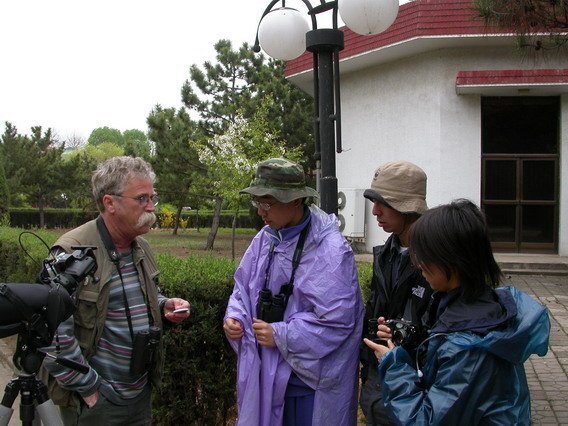
Meaning and pronunciation of the word ‘birdwatching’
Definition Birdwatching (also spelled bird watching) is the activity of observing and identifying wild birds in their natural habitats. It is a popular outdoor hobby that combines nature appreciation with elements of science and adventure. In slang, it can refer to watching rocket launches or, more controversially, observing people (like “girlwatching”). Etymology The word originates from combining “bird” (referring to avian species) and “watching” (the act of observing). It emerged in the early 20th century as birding enthusiasts sought a more formal term for their pastime. Pronunciation In British English: IPA /ˈbɜːdˌwɒtʃɪŋ/, with primary stress on the first syllable (“BIRD”) and secondary stress on “watch.” In American English: IPA /ˈbɝdˌwɑːtʃɪŋ/. The “ch” sound is like in “church,” and the word flows smoothly without pausing between parts. Morphology and Grammar Birdwatching is a compound noun formed by joining “bird” (noun) and “watching” (gerund from the verb “watch”). It functions as an uncountable noun, so it doesn’t take an article like “a” or plural form. Use it with verbs like “enjoy,” “go,” or “practice.” No irregular forms; it’s gerundial, allowing phrases like “birdwatching binoculars.” Synonyms and Antonyms Synonyms: Birding (informal), ornithology (more scientific study), twitching (intense pursuit of rare birds). Antonyms: None direct, but contrast with indoor activities like “couch potato-ing” or urban distractions like “people-watching in crowds.” Common Combinations: Birdwatching tours, amateur birdwatching, birdwatching app, go birdwatching. Examples Simple: I like birdwatching on weekends. Medium: My family joined a birdwatching club to learn about local species. Complex: Although the weather was rainy, the dedicated birdwatchers persisted in their observation, noting over twenty different species by sunset. Interesting Facts Birdwatching, or “birding,” dates back to the 19th century with pioneers like John James Audubon. It’s now a global phenomenon, with over 50 million participants in the US alone. The hobby has inspired conservation efforts, like protecting migratory routes. Interestingly, the term “twitcher” describes extreme birdwatchers who travel worldwide for rare sightings, often using apps like eBird for real-time reports. Cultural and Contextual Features In English-speaking cultures, birdwatching is tied to environmentalism and relaxation, popular in the UK (with events like the Big Garden Birdwatch) and North America (national parks). It’s accessible—requiring just binoculars and patience—but can be high-tech with photography. Contextually, it’s eco-friendly, promoting biodiversity awareness amid climate change discussions. Tips to Learn the Word Break it down: Visualize “birds” + “watching” to remember the compound structure. Associate with images: Think of binoculars in a forest to link sound and meaning. Practice pronunciation by repeating after audio clips on sites like Forvo. Use mnemonics: “Birds watch me, but I birdwatch them!” for fun recall. Mini-Tasks Make a sentence: Create one using “birdwatching” in a travel context. Find a synonym: List two alternatives and explain when to use them. Explore: Research a famous birdwatcher and note one fact about their contribution. Combine: Write a short paragraph pairing “birdwatching” with a related term like “conservation.” Related Terms: Birdwatch (verb), birdwatcher (noun). For Italian speakers: Birdwatching is borrowed directly, pronounced /berˈdwɔt.tʃinɡ/.
Meaning and pronunciation of the word ‘bug spray’
English Noun: Bug Spray Definition: Bug spray is a substance, typically in aerosol or liquid form, designed to kill or repel insects and household pests. It serves as an insecticide for eliminating bugs like ants, flies, and spiders in homes, or as an insect repellent to prevent bites from mosquitoes and ticks outdoors. Pronunciation: Pronounced as /bʌɡ spreɪ/ in IPA. The primary stress falls on the second syllable of “spray” (bug spray), with a lighter stress on “bug.” Say it as “buhg spray,” emphasizing the long “a” sound in spray. Morphology: This is a compound noun formed by combining “bug” (referring to insects) and “spray” (a mist or aerosol application). It can be hyphenated as “bug-spray” for clarity, but is commonly written as two words: “bug spray.” The plural form is “bug sprays” when referring to different types or brands. Grammar Notes: Bug spray is both countable (e.g., specific cans: “I bought two bug sprays”) and uncountable (e.g., the substance: “Apply bug spray evenly”). Use it as a direct object in sentences, and it pairs well with verbs like “apply,” “use,” or “spray.” Short Interesting Facts: The term “bug spray” gained popularity in the mid-20th century with the rise of commercial insecticides like DDT, though modern versions often use safer ingredients like DEET. Interestingly, the word “bug” originally meant a type of insect in the 14th century, evolving from Middle English. Tips on How to Learn It Easier: Associate “bug spray” with summer activities like picnics or camping—visualize spraying it before a barbecue to remember its repellent function. Practice saying the word while mimicking the spraying motion to link pronunciation with action. Use flashcards pairing it with images of insects for visual reinforcement. Cultural or Contextual Features: In Western cultures, especially the U.S., bug spray is a staple for outdoor events, hiking, and gardening to combat pests in warm climates. It’s often mentioned in travel advisories for tropical areas where diseases like malaria are insect-borne. In media, it’s humorously depicted in cartoons as a quick fix for pesky bugs. Examples: Simple: I need bug spray for the garden. Medium: The campers packed bug spray to keep mosquitoes away at night. Complex: Although she preferred natural remedies, the hiker applied a generous amount of bug spray before venturing into the mosquito-infested woods, ensuring a bite-free adventure. Synonyms: Insecticide, insect repellent, pest killer. Antonyms: None directly, but opposites in context could include “attractant” (like bug zappers for killing, not repelling) or “pest harbor” (something that invites bugs). Common Word Combinations: Mosquito bug spray, organic bug spray, aerosol bug spray, apply bug spray, household bug spray. Mini-Tasks for Students: Make a sentence: Write an original sentence using “bug spray” in a travel context. Find a synonym: List two synonyms for “bug spray” and explain when you’d use one over the other. Practice pronunciation: Record yourself saying “bug spray” three times, then compare to an online audio clip. Contextual use: Describe a situation where bug spray would be essential, including why.
Meaning and pronunciation of the word ‘fishing pole’
English Fishing pole Pronunciation The word “fishing pole” is pronounced as /ˈfɪʃɪŋ poʊl/ in IPA. The primary stress falls on the first syllable of “fishing” (/ˈfɪʃɪŋ/), with a secondary light stress on “pole” (/poʊl/). It sounds like “FISH-ing pole,” with a short ‘i’ in “fish” and a long ‘o’ in “pole.” Noun Fishing pole (plural: fishing poles) A long, flexible rod used in the sport or activity of fishing to cast a line into the water and catch fish. It typically includes a reel, line, and hook, though the term often refers specifically to the rod itself. Synonyms: fishing rod, angling rod Meaning and Morphology The core meaning revolves around a tool for angling. “Fishing pole” is a compound noun formed by combining the gerund “fishing” (from the verb “to fish,” meaning to catch fish) with “pole” (a long, slender piece of wood or material). This structure is common in English for tools related to activities, like “swimming pool” or “washing machine.” Morphologically, it’s a closed compound word, often hyphenated as “fishing-pole” in some styles, but usually written as two words without hyphenation in modern American English. Grammar Notes As a countable noun, it takes an article (“a fishing pole” or “the fishing pole”) and can be pluralized (“fishing poles”). It functions as a subject, object, or complement in sentences. No irregular forms; it’s straightforward and doesn’t change based on gender or tense. Short Interesting Facts Fishing poles date back over 5,000 years, with evidence from ancient Egypt where reeds were used as simple rods. In modern times, materials have evolved from bamboo to lightweight graphite, making them easier to transport. The term “pole” emphasizes the straight, elongated shape, distinguishing it slightly from the more technical “rod.” Tips on How to Learn It Easier Visualize a fishing scene: picture yourself holding a long stick by a lake to associate the word with the action. Break it down: “fishing” links to the hobby, “pole” to a flagpole or tent pole. Practice saying it rhythmically: “FISH-ing POLE.” Use mnemonics like “A fishing pole catches goals (fish) at the water’s edge.” Cultural or Contextual Features In American English, “fishing pole” is commonly used in casual contexts, evoking family outings or recreational sports, especially in rural areas. It’s tied to traditions like “gone fishing” weekends. In British English, “fishing rod” is preferred. Globally, fishing poles symbolize patience and relaxation, often featured in literature like Ernest Hemingway’s works on angling. Examples in Sentences Simple: I need a fishing pole. Medium: She packed her favorite fishing pole for the camping trip. Complex: While hiking through the dense forest, my brother discovered an old fishing pole leaning against a tree, which he used to catch trout in the nearby stream that afternoon. Synonyms, Antonyms, and Common Word Combinations Synonyms: Fishing rod, rod and reel, angling pole. Antonyms: None directly, but opposites in context might include “bait” (what’s attached to it) or “net” (alternative fishing tool). Common combinations: Bamboo fishing pole (traditional material), telescopic fishing pole (collapsible for travel), fly fishing pole (for specific technique). Mini-Tasks for the Student Make a sentence: Write a simple sentence using “fishing pole” in a vacation context. Find a synonym: List two synonyms for “fishing pole” and explain why one might be used over the other. Word association: Describe a common activity involving a fishing pole and one adjective to modify it (e.g., “sturdy fishing pole”). Practice pronunciation: Say “fishing pole” three times quickly, then use it in a short dialogue about buying one.
Meaning and pronunciation of the word ‘burner’
Etymology The word “burner” comes from “burn” + the suffix “-er,” indicating someone or something that performs the action of burning. It merged with Middle English terms like “brennar” or “brennere,” meaning an incendiary or incinerator. Related words include German “Brenner” and Swedish “brännare,” both meaning “burner.” Pronunciation In Received Pronunciation (British English), it’s pronounced /ˈbɜːnə/, with stress on the first syllable: BUR-nuh. In General American English, it’s /ˈbɝnɚ/, stressed as BUR-ner. The “r” sound is more prominent in American English. Morphology and Grammar Notes “Burner” is a noun derived from the verb “burn” using the agentive suffix “-er,” which often denotes a tool, person, or device associated with the root action. It’s countable, so the plural is “burners.” No irregular forms; it follows standard noun pluralization by adding “-s.” Meanings A person or thing that burns something, like a fire starter. An element on a stove that produces heat for cooking (synonym: hob or ring in UK English). In chemistry, a lab device like a Bunsen burner for heating substances. A fuel-burning device, such as in engines or hot-air balloons. An incinerator for waste. In computing, a device to write data onto CDs or DVDs. Slang: A disposable “burner phone” used temporarily to avoid tracing. Slang: A temporary online account (“burner account”). Slang: Elaborate graffiti art. Slang: A tear gas canister or even a gun. Offensive slang: “Coal burner,” referring to interracial relationships (use cautiously). A participant in the Burning Man festival (capitalized as “Burner”). Synonyms, Antonyms, and Common Combinations Synonyms: incinerator (for waste), heater (general), hob (UK for stove). Antonyms: cooler, extinguisher (in fire contexts). Common phrases: “front burner” (high priority task), “back burner” (low priority), “burner account” (temporary social media), “burner phone” (prepaid disposable mobile). Examples in Sentences Simple: Turn on the burner to boil water. Medium: The chef adjusted the gas burner for even cooking. Complex: In the lab, while conducting the experiment, the student carefully lit the Bunsen burner, ensuring the flame was blue for precise heating. Interesting Facts The term “burner phone” gained popularity in the 2000s due to crime shows like The Wire, highlighting privacy needs. “Burner” also ties to tech culture via “burner accounts” on platforms like Twitter for anonymous posting. At Burning Man, “Burners” embrace radical self-expression in Nevada’s desert festival. Cultural and Contextual Features In everyday American English, “burner” often refers to stove tops in kitchens. In tech and privacy contexts, it evokes anonymity, useful for activists or travelers. Slang uses, like “burner” for graffiti, stem from hip-hop and street art scenes, where quick, disposable tools mirror the word’s temporary nature. Tips to Learn “Burner” Easier Associate it with “burn” + “-er” like “runner” or “writer.” Visualize a stove flame or a spy ditching a phone. Practice by labeling kitchen items or discussing privacy apps. Mnemonic: “Burners burn bright but briefly,” linking to disposable tech. Mini-Tasks for Practice Make a sentence: Create one using “burner” in a cooking context. Find a synonym: List two synonyms for “burner” as a stove part. Context quiz: Is a “burner phone” for long-term use? Why or why not? Word combo: Use “back burner” in a sentence about priorities.
Meaning and pronunciation of the word ‘pocketknife’
English: Pocketknife Etymology From pocket + knife, referring to a knife designed for convenient pocket carry. Pronunciation /ˈpɑːkɪtˌnaɪf/ (American English). Stress falls on the first syllable of “pocket” and the word is pronounced as two parts: POK-it-nife. Meaning A pocketknife is a small knife that folds or retracts into its handle, making it safe and easy to carry in a pocket. It is typically used for everyday tasks like cutting rope, opening packages, or minor repairs. Morphology This is a compound noun formed by combining pocket (a small bag in clothing) and knife (a cutting tool). It can be written as one word (pocketknife), hyphenated (pocket-knife), or two words (pocket knife), with the single-word form most common in modern American English. Grammar Notes Pocketknife is a countable noun. Singular: pocketknife; plural: pocketknives. It functions as a subject, object, or modifier in sentences (e.g., “pocketknife blade”). No irregular forms. Short Interesting Facts Pocketknives date back to the 15th century in Europe, evolving from larger folding knives for travelers. The Swiss Army knife, a famous type of pocketknife, was originally designed for Swiss soldiers in the 1890s and includes multiple tools like screwdrivers and scissors. In some cultures, carrying a pocketknife symbolizes preparedness and self-reliance, often associated with scouts or outdoorsmen. Tips on How to Learn It Easier Visualize a knife folding into a pocket to remember the compound structure. Practice saying “POK-it-nife” rhythmically, and associate it with everyday items like keys or wallet that you carry in your pocket. Cultural or Contextual Features Pocketknives are popular in American culture as part of “everyday carry” (EDC) items, especially among hikers, fishermen, and craftsmen. However, in some places like the UK, carrying one without reason can raise legal concerns due to knife laws. They appear in literature and films as tools of adventure, like in Boy Scout stories or survival tales. Examples Simple: I lost my pocketknife. Medium: She used her pocketknife to cut the apple into slices during the picnic. Complex: Although modern multitools have largely replaced traditional pocketknives for urban dwellers, the classic folding design remains a favorite among collectors who appreciate its historical craftsmanship and portability. Synonyms, Antonyms, and Common Word Combinations Synonyms: penknife, jackknife, folding knife, clasp knife. Antonyms: (None directly; contrast with “machete” or “kitchen knife” for size and purpose). Common Combinations: Swiss Army pocketknife, multi-tool pocketknife, antique pocketknife, pocketknife sharpener. Mini-Tasks for the Student Make a sentence: Write a sentence using pocketknife in a camping scenario. Find a synonym: List two synonyms for pocketknife and explain when you might use one over the other. Pronunciation practice: Record yourself saying “pocketknife” three times, focusing on the stress, and compare to an online audio source. Word building: Create a new compound word using pocket and another tool, then define it.
Meaning and pronunciation of the word ‘hiking boots’
hiking boots Part of Speech: Noun (plural) Meaning: Hiking boots are sturdy, ankle-high shoes designed for outdoor walking or trekking on rough terrain, such as mountains or forests. They provide support, protection, and traction to handle uneven paths and weather conditions. Pronunciation: /ˈhaɪ.kɪŋ buːts/ (HY-king boots). The primary stress falls on the first syllable of “hiking,” with a secondary emphasis on “boots.” The “hiking” part rhymes with “liking,” and “boots” sounds like “roots” but with a longer ‘oo’ sound. Morphology: This is a compound noun formed by combining the gerund “hiking” (from the verb “hike,” meaning to walk for pleasure or exercise) with the plural noun “boots” (from Old English “bōt,” meaning protective foot covering). It functions as a single lexical unit, often hyphenated as “hiking-boots” in some styles, but typically written as two words. Grammar Notes: “Hiking boots” is always plural and countable. Use it with plural verbs (e.g., “These hiking boots are comfortable”). It doesn’t have a singular form like “a hiking boot” in everyday use; instead, refer to one as “a pair of hiking boots.” Possessive form: hikers’ boots or hiking boots’ laces. Short Interesting Facts: The modern hiking boot evolved in the 19th century from military footwear, with brands like Timberland and Salomon pioneering waterproof designs using Gore-Tex in the 1970s. Interestingly, “hike” originally meant a leisurely walk in the 1700s, but now evokes adventure. Tips on How to Learn It Easier: Visualize hiking boots on a muddy trail to associate the word with rugged outdoors. Practice saying it rhythmically: “HI-king BOOTS” while mimicking lacing up shoes. Link it to personal experiences, like planning a weekend walk, to make it memorable. Cultural or Contextual Features: Hiking boots are iconic in cultures emphasizing outdoor recreation, such as in the Alps (where “wanderschuhe” is the German equivalent) or American national parks like Yosemite. They’re staples in eco-tourism and adventure travel, symbolizing preparedness and connection to nature. In urban slang, “hiking boots” might jokingly refer to any practical shoes for city exploration. Examples: Simple: I need hiking boots for the trail. Medium: She laced up her new hiking boots before the mountain climb. Complex: Although the weather forecast predicted rain, the group donned their waterproof hiking boots and set off on the scenic path through the dense forest. Synonyms: Trekking shoes, walking boots, mountaineering footwear. Antonyms: Dress shoes, sandals (as they are unsuitable for rough terrain). Common Word Combinations: Sturdy hiking boots, lightweight hiking boots, waterproof hiking boots, break in hiking boots (to wear them until comfortable). Mini-Tasks for the Student: Make a sentence: Create your own example using “hiking boots” in a travel context. Find a synonym: List two alternatives to “hiking boots” and explain why one might be better for beginners. Quiz yourself: Pronounce the word aloud three times, then describe a situation where you’d wear them. Share with a study partner for feedback.