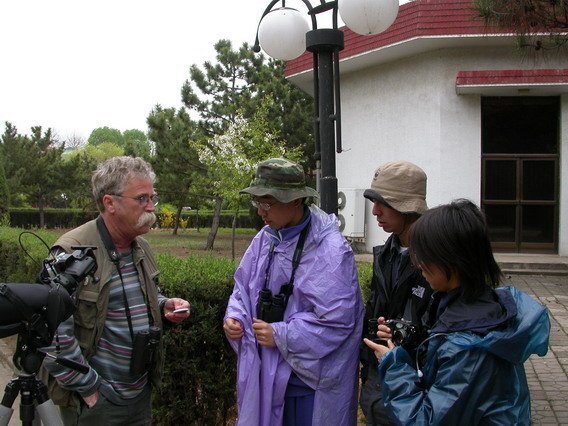
Definition
Birdwatching (also spelled bird watching) is the activity of observing and identifying wild birds in their natural habitats. It is a popular outdoor hobby that combines nature appreciation with elements of science and adventure. In slang, it can refer to watching rocket launches or, more controversially, observing people (like “girlwatching”).
Etymology
The word originates from combining “bird” (referring to avian species) and “watching” (the act of observing). It emerged in the early 20th century as birding enthusiasts sought a more formal term for their pastime.
Pronunciation
In British English: IPA /ˈbɜːdˌwɒtʃɪŋ/, with primary stress on the first syllable (“BIRD”) and secondary stress on “watch.” In American English: IPA /ˈbɝdˌwɑːtʃɪŋ/. The “ch” sound is like in “church,” and the word flows smoothly without pausing between parts.
Morphology and Grammar
Birdwatching is a compound noun formed by joining “bird” (noun) and “watching” (gerund from the verb “watch”). It functions as an uncountable noun, so it doesn’t take an article like “a” or plural form. Use it with verbs like “enjoy,” “go,” or “practice.” No irregular forms; it’s gerundial, allowing phrases like “birdwatching binoculars.”
Synonyms and Antonyms
Synonyms: Birding (informal), ornithology (more scientific study), twitching (intense pursuit of rare birds).
Antonyms: None direct, but contrast with indoor activities like “couch potato-ing” or urban distractions like “people-watching in crowds.”
Common Combinations: Birdwatching tours, amateur birdwatching, birdwatching app, go birdwatching.
Examples
- Simple: I like birdwatching on weekends.
- Medium: My family joined a birdwatching club to learn about local species.
- Complex: Although the weather was rainy, the dedicated birdwatchers persisted in their observation, noting over twenty different species by sunset.
Interesting Facts
Birdwatching, or “birding,” dates back to the 19th century with pioneers like John James Audubon. It’s now a global phenomenon, with over 50 million participants in the US alone. The hobby has inspired conservation efforts, like protecting migratory routes. Interestingly, the term “twitcher” describes extreme birdwatchers who travel worldwide for rare sightings, often using apps like eBird for real-time reports.
Cultural and Contextual Features
In English-speaking cultures, birdwatching is tied to environmentalism and relaxation, popular in the UK (with events like the Big Garden Birdwatch) and North America (national parks). It’s accessible—requiring just binoculars and patience—but can be high-tech with photography. Contextually, it’s eco-friendly, promoting biodiversity awareness amid climate change discussions.
Tips to Learn the Word
- Break it down: Visualize “birds” + “watching” to remember the compound structure.
- Associate with images: Think of binoculars in a forest to link sound and meaning.
- Practice pronunciation by repeating after audio clips on sites like Forvo.
- Use mnemonics: “Birds watch me, but I birdwatch them!” for fun recall.
Mini-Tasks
- Make a sentence: Create one using “birdwatching” in a travel context.
- Find a synonym: List two alternatives and explain when to use them.
- Explore: Research a famous birdwatcher and note one fact about their contribution.
- Combine: Write a short paragraph pairing “birdwatching” with a related term like “conservation.”
Related Terms: Birdwatch (verb), birdwatcher (noun). For Italian speakers: Birdwatching is borrowed directly, pronounced /berˈdwɔt.tʃinɡ/.