“`html Sumo – Learn This Word Meaning: The sport of sumo is a traditional Japanese style of wrestling. A sumo wrestler is often called a “rikishi”. Pronunciation: /ˈsuːmoʊ/ Rhyme: “oo” as in “too” (/uː/), “o” as in “go” (/oʊ/) Stress: The stress is clearly on the first syllable (SOO-moh). Morphology & Grammar: Part of Speech: Primarily a noun in English. It’s also used adjectivally (e.g., “sumo deadlift”, “sumo squat”). Rarely, it can function as a verb in some Romance languages, but this is not relevant in Modern English. Singular/Plural: As a noun, the plural is sumos. You can also use sumo as an uncountable noun (referring to the sport in general), though stating specific matches or wrestlers often requires the plural. Origin: Directly borrowed from Japanese 相撲 (sumō), meaning “to mutually rush at” (from 相す sum- ‘mutual’ + 撃もう umou- ‘rush at’). Grammar Notes: Uncountable Use: “Sumo is a fascinating sport with deep roots in Shinto tradition.” (Here, “sumo” refers to the entire sport/system). Countable Use: “The tournament featured ten new sumos.” (Here, “sumos” refers to participants/wrestlers). Compound Nouns: Often combined with other nouns to form technical terms: “sumo wrestler” (synonym: rikishi), “sumo belt” (mawashi), “sumo stable” (heya), “sumo hierarchy” (banzuke). Interesting Facts & Cultural Context: The sumo ring, called a dohyō, is a raised clay platform 4.55 meters in diameter, symbolizing the four seasons and the four cardinal directions. It is also considered sacred ground, implicitly protected by the Shinto gods. Wrestlers strive for the highest rank: Yokozuna, a title earned through proven excellence and carrying great responsibility and ceremonial duties. Victory is determined by making an opponent step out of the ring or making any body part touch the ground except the soles of the feet. After a bout, wrestlers throw salt onto the ring to purify it, a ritual based on Shinto purification practices. Sumo stables (heya) have a strict hierarchical structure and are more than training grounds; they are like extended families. Learning Tips: Mnemonic: Imagine a giant (sumo) throwing mud (muh-dohyō). Focus on the OO sound in both words. Break it down: Remember it’s borrowed directly: Japanese “sumō” = English “sumo”. Context is key: Associate “sumo” strongly with Japan, wrestling, huge wrestlers in loincloths, and the ceremonial salt throw. Examples: Simple: “My brother found a documentary about sumo.” Medium: “To become a sumo until they achieve professional status.” Complex: “The sumo the Shinto deity Takami-Musubi, reflects its deep cultural and religious significance beyond mere sport.” Related Words: Synonyms: (For the sport) Japanese wrestling, traditional wrestling. (Specifically refers to a wrestler) Rikishi. Antonyms: There are no direct antonyms for the sport itself. (Conceptually weak against strong) Might is right. Common Combinations: Sumo wrestler / sumo wrestler Sumo tournament (Grand Sumo Tournament) Sumo stable Sumo belt (Mawashi) Sumo hierarchy (Banzuke) Sumo deadlift (an exercise) Sumo squat (an exercise) Mini-Tasks: Sentence Challenge: Write a sentence about the sumo ringگ “At the sumo stable, the young trainees practiced stepping foot inside the dohyō during practice.“ Cultural Connection: Find one word in the “Interesting Facts” section that starts with the letter “S”. (Answer: Shinto – the religion influencing the sport). Pronunciation Check: Listen to the IPA /ˈsuːmoʊ/ three times and pronounce “sumo” aloud, emphasizing the first syllable. “
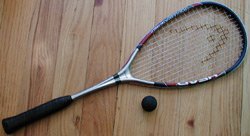
Meaning and pronunciation of the word ‘squash’
Meaning of “squash” Squash has three primary meanings in English: Noun (sports): A racket sport played indoors on a court with walls. Noun (vegetable): A type of gourd (e.g., pumpkin, zucchini) and its edible fruit. Verb: To crush or flatten something; squash down. Pronunciation UK: /skwɒʃ/ (stress on the only syllable) US: /skwɔʃ/ (stress on the only syllable) Note: In regions with cot-caught merger (like parts of the US), it’s pronounced /skwɑʃ/. Morphology Base word: squash Noun plurals: squash (unchanged) or squashes Verb forms: Base: squash 3rd person singular: squashes Present participle: squashing Past tense & participle: squashed (spelled with double s). Grammar Notes As a noun, it’s both countable (e.g., “a squash”) and uncountable (e.g., “I drink squash”). The verb follows regular -sh verb spelling rules. Adjectival form: squashy (soft and easily squashed). Interesting Facts Etymology: The sport names comes from Spanish, while the vegetable name comes from the Narragansett Native American word. In wrestling, a “squash” match is one-sided (derived from crushing). The British soft drink “squash” is concentrated fruit juice diluted with water. Learning Tips 1. Group meanings: Associate each meaning with a physical image. 2. Use mnemonics: For the vegetable, think “SQUASH” (like “squash a leafy plant”). 3. Practice verb tenses: Make sentences for each form (squashes/squashed/squashing). Cultural Context Squash (sport): Popular in the UK, Middle East, and Egypt; less common in the US than tennis. Squash (drink): Common in the UK; often made from berries or citrus. Squash (vegetable): Used in Thanksgiving (pumpkin), Italian food (zucchini), and festive dishes. Examples Verb (crushing): Simple: Rain fell on the grass all night, squashing it flat. Medium: Machine learning algorithms squash large datasets into manageable chunks. Complex: The political party squashed the rebellion before it could gain traction. Noun (sport): Simple: Do you play squash on weekends? Medium: She won the national squash championship last week. Complex: The development of squash as a professional sport in India reflects rapid globalization. Noun (vegetable): Simple: I like roasted butternut squash. Medium: Zucchini, a summer squash, is versatile in Mediterranean cuisine. Complex: Anthropologists have traced Cucurbita pepo squash cultivation back to 5,000 BCE in Mexico. Synonyms & Antonyms Synonyms: Verb: crush, flatten, compress Noun (vegetable): pumpkin, gourd Noun (sport): racquet sport (though unrelated) Common phrases: “Squash a bug” (kill), “squash a bug/ant/roach”. Mini-Tasks for Learners Fill in the blank: The squash (verb) _______ went flat when I sat on it. Find a synonym: What word means similar to “squash”? (Answer: flatten) Write a sentence: Use “butternut squash” in a food-related sentence. Pronunciation challenge: Practice saying “I squash squash in the garden”.
Meaning and pronunciation of the word ‘sprint’
“`html Word: Sprint This word has two main parts of speech: noun and verb. Meaning Noun: A short race run at top speed. A burst of speed or activity. (Specific) In Agile software development, a fixed time period for completing work. Verb: To run, cycle, etc. at top speed for a short period. Pronunciation & Stress IPA: /ˈspɹɪnt/ Stress: The primary stress is on the single syllable. It sounds like “SPRINT”. Morphology (Word Forms) Noun: singular: sprint, plural: sprints Verb: base: sprint, present: sprint(s), past: sprinted (standard) or sprant (dialectal/incorrect), past participle: sprinted (standard) or sprunt (dialectal/incorrect), present participle: sprinting Grammar Notes The verb form is transitive and intransitive. It can take a direct object (“sprint a bike”) or describe an action without one (“he sprinted”). Be aware that “sprant” and “sprunt” as past forms are considered non-standard or dialectal in most English varieties and often sound humorous. The noun is countable (“a sprint”, “sprints”). Interesting Facts The word comes from Old Norse *sprenta, meaning “to startle” or “to spring.” Its journey into English reflects how physical activity terms entered the language. The modern Agile software development sense is a fascinating example of how sports terminology gets adopted metaphorically for structured work processes. Tips to Learn Easier Visualize: Think of an Olympic sprinter launching from the blocks. Focus on Sound: Emphasize the first syllable. Say it fast: “SPRINT”. Mnemonic: Connect “SPRINT” to “SPRINGER” (one that springs). Contextualize: Use it with words like “track,” “race,” “burst,” or “Agile.” Examples in Sentences Simple: “The dog sprinted across the lawn.” Medium: “After the long commute, he needed a sprint to catch the last bus.” Complex: “Our team held a sprint meeting to plan the next two-week burst of development work.” Synonyms & Word Combinations Synonyms (Noun/Verb – Sport): dash, race, dash (verb), race (verb), dash Synonyms (Noun/Verb – Speed Burst): dash, rush, dash, jet Common Phrases: sprint finish (horse race) sprint a course/city/yard take a sprint spring into action (Figurative use influenced by sprint) Mini-Tasks Create a Sentence: Use “sprint” to describe someone catching a bus. Finding Synonyms: Replace “dash” with a synonym from the list. Grammar Spot Check: Identify the parts of speech: “The athlete prepared for her sprint. She will sprint at 7 PM.” (Noun, Verb) “
Meaning and pronunciation of the word ‘speed skating’
Definition Speed-skating is an ice sport where athletes race against each other or the clock while gliding rapidly around an oval track using specialized skates. It prioritizes maximum velocity over technical complexity. Phonetics IPA: /ˈspiːd ˈskeɪtɪŋ/ Stress: First syllable of speed, first syllable of skating. Morphology Compound word formed from: speed (noun/adjective: high velocity) skating (verb/skate+n-ing, referring to ice gliding) Hyphenated when used attributively (e.g., speed-skating rink). Grammar Notes Consistently uncountable as a noun. Plural forms like “speed-skates” are incorrect. Functions both as an adjective (“speed-skating events”) and gerund (“He taught speed-skating”). Interesting Facts – Olympic sport since the 1924 Chamonix Games – Top speeds reach 60 km/h (37 mph) in sprints – Similarities exist with inline speedskating Vocabulary Connections Word Families: speed-skater (agent noun), speed-skating (activity modifier) Sound-alike: speed-skiing (snow sport) Examples Simple: “Winter sports fans love speed-skating on TV.” Medium: “Her Olympic-style speed-skating technique involves rapid knee tucks to minimize drag.” Complex: “Despite training in extreme cold, the speed-skater perfected her drafting technique, leveraging teammates’ slipstream for strategic energy conservation in the 5,000-meter race.” Word Combinations “Long-track speed-skating”, “short-track speed-skating”, “speed-skating championships”, “pair speed-skating”, “allround speed-skating”. Mini-Task Write: Create a sentence using “short-track speed-skating” Listen: Identify the stress pattern in “I practice speed-climbing, not speed-skating!” Match: Pair pronunciation terms: 1) /spɪd/ 2) /skɪtɪŋ/
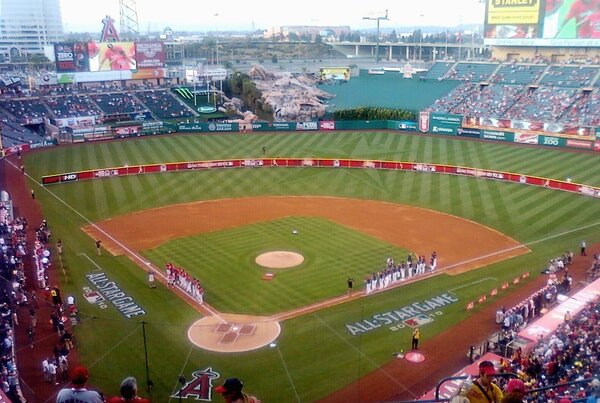
Meaning and pronunciation of the word ‘softball’
“`html Meaning of ‘softball’ ‘Softball’ primarily refers to: A sport similar to baseball but played with a larger, softer ball. It allows both overhand and underhand pitching. The specific ball used in this sport. Figuratively, an easy question or situation designed to be simple. Pronunciation & Stress Phonetic spelling: /ˈsɒfˌbɔːl/ (British English) Phonetic spelling: /ˈsɒfˌbɔl/ (American English) Stress: The primary stress falls on the first syllable “soft”. IPA: /ˈsɒfˌbɔːl/ (UK), /ˈsɒfˌbɔl/ (US) Morphology Basics ‘Softball’ is a compound noun formed from: Soft: Adjective (low density, gentle) Ball: Noun (sphere) The combination literally means “soft sphere”. Grammar Notes Can be both countable (‘play a game’, ‘found three softballs’) and uncountable (‘comparing softball to baseball’) Strictly masculine in French/Spanish, but gender-neutral in English. Figurative use (“a softball question”) functions as singular/plural like its core noun senses. Interesting Facts Invented in 1926 but became popular for women’s sports in the 1930s-50s before expanding to genders. Uses vary in ball size (8.5-12 inches), pitching style (underhand/overhand), and league rules globally. Shares etymological roots with American politics’ “hardball” strategy. Learning Tips Chunk information: Process as “soft + ball” rather than a monolith. Contrast: Compare directly with “hardball” for context. Listen actively: Identify real-world usage in sports commentary or idioms. Sentence generation: Create personal examples connecting physical sport and figurative uses. Cultural Context Originally created as a safer indoor winter sport, softball diversified. Figurative use emerged from American English, emerging in the 1960s-70s in political/media contexts. Example Sentences Simple: The softball rolled easily across the grass. Medium: She joins the community softball league every summer. Complex: The professor’s easy quiz questions seemed like unmarked landmines—a softball lemma in linguistic disguise. Related Lexicon Common phrases: “Play softball“ “Take a softball approach” “Give someone a softball question” Similar terms: Baseball, wiffleball, slow-pitch Antonyms: Hardball, baseball (pitching rules), fastball Mini-Tactics Create sentences: “I saw three softballs in the yard after my nephew’s game.” Find synonyms: For the figurative meaning, list three alternatives (e.g., “easy question”, “cakewalk”, “no-brainer”). Phrase completion: “They won the championship in ________ because the opposing team was _____.”
Meaning and pronunciation of the word ‘soccer’
“`html Meaning ‘Soccer’ refers to association football, the sport played with a round ball primarily using the feet. It is the term used predominantly in the US, Canada, Australia, and a few other countries, distinguishing it from other codes of football like American football or rugby. Pronunciation UK: /ˈsɒk.ə/ (SOCK-uh) US: /ˈsɑk.ɚ/ (SAHK-er) Stress falls on the first syllable. Morphology ‘Soccer’ is a back-formation ending in the suffix -er, created around 1880-1890. It likely originated from phrases like “Oxford Rugby” or “Public School Football,” similar to other coinages like “rugger” (from Rugby) and “fresher” (from freshman). The exact origin of the base element (‘sock-‘ vs ‘soc-‘) is debated, but it follows a pattern of playful institutional slang. Related terms include rugger, brekker (breakfast), and footer (football). Grammar Notes Noun: Refers to the sport itself. Commonly uncountable. Verb (Less Common): Used in Australian rules football to mean “to kick the ball directly off the ground without using hands.” (e.g., “He soccered the ball downfield.”) Things to Watch For / Interesting Facts Snobbery Shift: Oddly, ‘soccer’ was once neutral in Britain but became associated with American English and snobbery after US media coverage of football events in the 1990s. Legacy Usage: It persists in UK contexts like the TV show “Soccer Saturday” or historic team names, but is generally avoided in serious British football talk. Global Spread: Many non-English languages borrow the word directly (Written as سوكر, サッカー, sokker), just like ‘fútbol’ or ‘football’. Joke Term: Its -er suffix mimics British public school slang (‘rugger’, ‘brekker’), making it seem intentionally cheeky or playful. Learn it Easily Mnemonic: Associate the American ‘S’ sound (/sɑk.ɚ/) with the country and the “-er” with “English.” But remember: Brits avoid it! Pattern: Learn it alongside “rugger.” Think: Both are “-er” nicknames for school football codes. “Rugger” = Rugby. “Soccer” = Association Football. Remember the Shift: Used to be common everywhere. Now associated with USA, Australia, Ireland. Think “where football is NOT the main code.” Cultural & Contextual Features ‘Soccer’ highlights cultural divides in sport. The World Cup is called “The World Cup in Soccer” in the US but simply “The World Cup” or “El Mundial” elsewhere. Using “soccer” in the UK often signals a non-football fan or American. Example Sentences Simple: We love to play soccer every weekend. Medium: While Australians speak mostly about “football,” they also frequently understand “soccer” when referring to association football. Complex: The decline of ‘soccer’ in the UK, once ubiquitous, exemplifies how language shifts in response to global media influence and changing cultural dominance, particularly after major US-hosted sporting events in the mid-1990s. Related Words Synonyms: Association football (formal); football (in most of the world). Antonyms: American football; rugby; Australian Rules Football; Gaelic football. Common Collocations: watch/play/love soccer, watch play/support a soccer team, soccer match/season/game/player, play soccer barefoot. Mini-Tasks Describe the Sport: In one sentence, tell someone what ‘soccer’ is about, emphasizing the primary way the ball is used, knowing they might be unfamiliar. Find a Synonym/Antonym: What word is synonymous with ‘soccer’ in the UK? What word would be an antonym in the US? Error Identification: Which country is most likely to use the word ‘soccer’ instead of ‘football’? Is it England, Canada, Australia? Why? “
Meaning and pronunciation of the word ‘snowboarding’
“`html Meaning Snowboarding is a recreational sport and extreme sport where participants slide down snow-covered slopes on a single board (snowboard) attachedfootwear. It involves balancing, steering, and controlling speed using body movements and specialized equipment. Pronunciation IPA: /ˈsnoʊˌbɔːr.dɪŋ/ (American English) Stress: First syllable ‘sno’ is strongly stressed, second syllable ‘bor’ is secondary stressed. Grammar & Morphology Part of Speech: Primarily a noun (uncountable), also a verb (present participle/gerund of “snowboard”). Morphology: Compound word formed from “snow” + “boarding”. The suffix “-ing” transforms the related verb “snowboard” into the activity noun. Word Associations Synonyms: Board sport, downhill boarding, snurfing (archaic/obscure) Related Terms: Skiing, wakeboarding, surfing, skiboarding, slopestyle, halfpipe, freeride Equipment: Snowboard, bindings, boots, helmet, goggles Learning Tips To remember “snowboarding”: – Break it into chunks: snow / board / ing. – Visualize someone doing the activity. – Link to “snowboard” (the equipment/verb) which adds “-ing“. Interesting Facts – Snowboards were originally developed as a cross between surfing and skiing in the 1960s. – The first major competitive snowboarding event was held in 1982 (Golden Anchovy Race, Vermont). – Snowboarding became an official Olympic sport at the 1998 Nagano Winter Games. Examples Simple: We love snowboarding on weekends. Medium: Expert snowboarding requires proper stance and edge control. Complex: While initially dismissed by traditionalists, snowboarding became a culturally significant extreme sport with distinctive fashion and music. Mini-Tasks Create a sentence: Describe your ideal day of snowboarding. Practice: Replace “skiing” with “snowboarding” in this sentence: “They enjoy winter sports like ____.” Expand vocabulary: List 3 pieces of essential snowboarding gear. “

Meaning and pronunciation of the word ‘snooker’
{ “query”: [ “snooker etymology origin word snooker meaning”, “origin of the word snooker sport etymology”, “snooker word origin meaning snooker name” ] }uttle Z generated some search queries. Let’s see results. { “query”: [ “history of snooker origin term coined” ] }
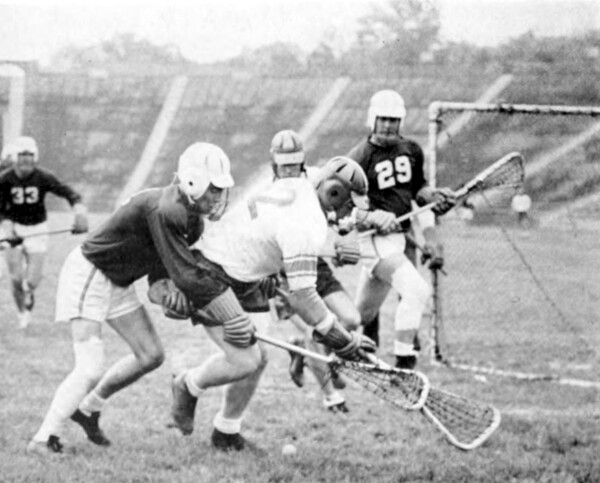
Meaning and pronunciation of the word ‘lacrosse’
“`html Word: Lacrosse (English) Meaning: Lacrosse is an uncountable sport played between two teams on a field. Players use sticks with nets (called crosse or lacrosse sticks) to throw, catch, and carry a ball with the objective of scoring goals by putting the ball into the opposing team’s net. It has origins in Indigenous North American cultures, was formalized in the 19th century, and is played professionally and recreationally worldwide. Pronunciation & Stress: Received Pronunciation (UK): /ləˈkɹɒs/ (uh-KROSS) General American (US): /ləˈkɹɔs/ (uh-KROS) Stressed Syllable: The emphasis is on the second syllable: KROSS. Basic Morphology: Word Class: Noun (uncountable) Origin: Borrowed directly from Canadian French “la crosse” (meaning “the stick” or “the cross”). The English word is an unadapted borrowing. Ending: The suffix “-se” is typical of French loanwords. Grammar Notes: Lacrosse is almost always used in its singular, uncountable form in English when referring to the sport itself (e.g., “I love lacrosse,” “They play lacrosse“). You don’t typically say “a lacrosse” or “lacrosses” for the sport. As an uncountable noun, it uses singular verbs (“Lacrosse is fast”) and doesn’t take a singular count noun article (“a” or “an”) without specifying an instance (“a lacrosse match” or “a lacrosse stick”). Interesting Facts: The name originates from the French missionaries who watched Indigenous players and named the sticks “crosse” (cross) because the netted heads resembled a bishop’s crozier. It’s one of the oldest team sports in North America, with roots dating back centuries in various Indigenous communities. Modern lacrosse features men’s, women’s, box lacrosse (indoor), and field lacrosse variations with different rules. It’s experiencing significant growth globally, especially in parts of Europe. Learning Tips: Visual Association: Break it down: “Lac-” resembles “light,” “-rosse” rhymes with “cross.” Imagine players “KROSSing” the gap. Stress Practice: Emphasize the second syllable: “luh-KROSS.” Repeat quickly. Context Clues: Remember it’s always a sport played with sticks and a ball. Mnemonic: “Lacrosse is the stick (crosse) sport from Canada (la crosse).” Short Sentences: Lacrosse requires good hand-eye coordination. We’re learning the basic rules of lacrosse. I watched a professional lacrosse game on TV. Medium Sentences: Despite its indigenous origins, lacrosse became popular in Canadian schools during the late 19th century. Women’s lacrosse has several rule differences compared to the men’s version, particularly regarding physical contact. Complex Sentences: Originating as a spiritual ritual and conflict-resolution tool among Indigenous nations, lacrosse, now governed internationally, recognizes the profound cultural significance embedded within its modern competitive form. While lacrosse has seen a surge in popularity and investment in facilities across Europe over the past decade, concerns about accessibility and the preservation of its traditional values remain significant challenges for governing bodies. Synonyms & Antonyms: Synonyms: Crosse (mostly in French, sometimes understood in historical context), Field Hockey (in some regions/contexts, but different sport). The term is often unique. Antonyms: Not applicable, as “lacrosse” refers to a specific team sport. Common Collocations: Lacrosse stick Lacrosse game/match Lacrosse team/player Play lacrosse Watch lacrosse Learn lacrosse Mini-Tasks Task 1: Synonym Search Find a synonym for “lacrosse” within this page. (Hint: It’s also a French word for “cross”) Task 2: Sentence Creation Use the word “uncountable” in a sentence about lacrosse. Task 3: Pronunciation Challenge Listen to the IPA pronunciation /ləˈkɹɒs/ (or /ləˈkɹɔs/) and say “lacrosse” three times, emphasizing the second syllable each time. Task 4: Anagram Rearrange the letters in “lacrosse” to form two new words: “classerò” and “sclerosa” (found in other languages in the original text). “
Meaning and pronunciation of the word ‘kickboxing’
“`html Meaning of Kickboxing Kickboxing is a hybrid martial art and combat sport combining techniques from various disciplines, primarily boxing (punches) and Muay Thai or Karate (kicks). It evolved significantly in the 1960s-1970s and involves stand-up fighting using fists, feet, shins, and sometimes elbows. Origin & Etymology Borrowed from Japanese キックボクシング (kikkubokushingu), itself a compound of English ‘kick’ + boxing’. The term was likely coined around 1964 by Japanese businessman Osamu Noguchi to describe this blended art. Grammar Notes Kickboxing is almost always used as an uncountable noun when referring to the sport or art form itself (‘She practices kickboxing’). ‘A kickboxing’ can occasionally refer to a specific session or match, but this is rare. Fun Word Facts – It was deliberately created to merge the power of western boxing with the wider striking range of other martial arts. – The Japanese term and its English adoption show how martial arts terminology crosses cultures. – Kickboxing tournaments often feature weight classes for safety and fairness. Learning Tips – **Visualize:** Picture the kicks and punches; it’s a very action-oriented term. – **Connect:** Link it directly to boxing (add ‘kick’) or Muay Thai (similar striking). – **Use the Root:** Remember ‘kick’ and ‘boxing’ – the combination tells you everything. Basic Information Pronunciation (US): /ˈkɪkˌbɒksɪŋ/ Pronunciation (UK): /ˈkɪkˌbɒksɪŋ/ Stress: Primary stress on the first syllable ‘KICK’, secondary stress on the second syllable ‘BOX’. Cultural Context Kickboxing is popular in Japan, Thailand, Europe, and North America. It exists both as a competitive sport with specific rulesets (like K-1 or ISKA) and as a fitness activity. It emphasizes cardiovascular health, discipline, self-defense skills, and physical conditioning. Synonyms & Related Terms Synonyms: No exact synonyms, but it falls under the broader category of ‘combat sports’ or ‘striking arts’. Closely Related Terms: Boxing, Muay Thai, Karate, MMA (Mixed Martial Arts – which includes kickboxing elements), Kickboxer (practitioner). Example Sentences Simple: Kickboxing uses both punches and kicks. Medium: To improve his leg strength, Marcus added kickboxing to his weekly workout routine. Complex: Despite its relatively modern origins compared to ancient martial arts, kickboxing’s effectiveness in combining the defensive techniques of boxing with the offensive power of various kicking styles has made it a globally popular sport for both competition and fitness. Learn & Practice Create a Sentence: Describe someone training or competing in kickboxing. Analyze Morphology: Break down ‘kickboxing’: ‘kick’ (verb/noun) + ‘boxing’ (noun). What does each part mean? How do they combine? Compare & Contrast: How is kickboxing different from traditional boxing? (Hint: Kicks!) Common Phrases Compete in kickboxing Train for kickboxing Watch a kickboxing match Be a kickboxing champion “