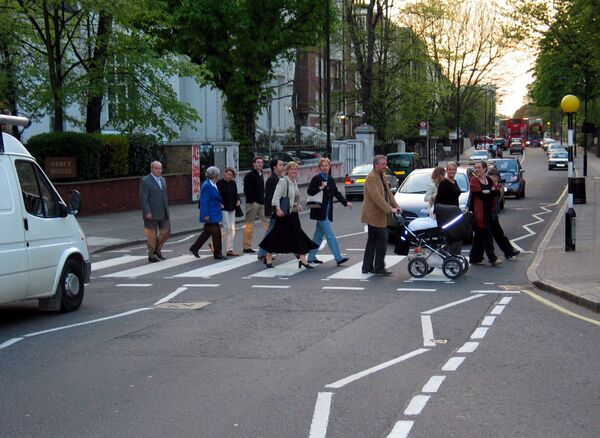
Pronunciation (Received Pronunciation): /ˈwɔːkɪŋ/ (stress on first syllable) (General American): /ˈwɔkɪŋ/ (cot-caught merger regions): /ˈwɑkɪŋ/ Etymology From Middle English walkynge, from Old English wealcende, from Proto-Germanic *walkandz (present participle of *walkaną, “to roll, trample, walk”). Formed by adding suffix to verb walk. Morphology & Grammar Verb Form (present participle/gerund): Used in continuous tenses (“I am walking“) and as gerund (“Walking improves health”). Adjective: Means “incarnate/living representational” or “suitable for walking”. Never comparative/superlative. Noun: Verbal noun meaning “the act/self of walking”. Meaning & Usage Adjective: 1. Incarnate/living example (rare/archaic): “She is a walking encyclopedia.” 2. Physically functional despite hardship: “He returned from war, a walking disclaimer of pain.” Verb/Noun: Fundamental locomotion on foot (“descended from strolling to walking“) Interesting Facts Originated as Explicitly English term – no direct pre-Proto-Germanic ancestor. Musical meaning (“walking bass”) emerged in 20th century jazz. Adjectival use peaked in Victorian literature (“walking dictionary”). Learning Tips Use mnemonics: Imagine a “Walking DICTIonary” with moving words flowing from page to leas. Intriguing Examples Simple: “I enjoy morning walking. Medium: “The bike accident forged him into the ultimate walking testament to human resilience.” Complex: “Salems architecture examination revealed the ruined cathedral as a distinctly walking oxymoron: functional amidst ruin.” Related Terms Collocations: walking tour, walking shoes, walking stick, horseback walking Synonyms (verb): strolling, ambulating Synonyms (adjective): encyclopedic, embodiment Antonyms (adjective – incarnate): abstract, potentialized Mini-Activities Synonym hunt: Replace “encyclopedic” in the sentence below: “Her knowledge is a walking _____.” Usage check: Correct this sentence: “The victim was a walking miracle after survived the accident.” Idiom creation: Invent a metaphor using “walking” (e.g., “the walking reminder of forgotten promises”).
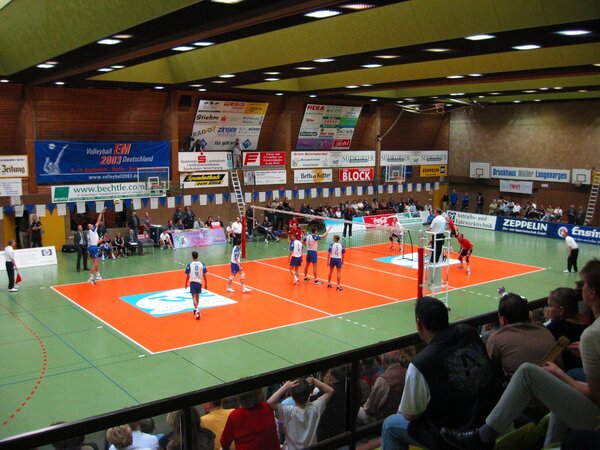
Meaning and pronunciation of the word ‘volleyball’
“`html Meaning volleyball (uncountable) A sport played on a rectangular court by two teams of players (2-6 per team) who hit an inflated ball back and forth over a high net using hands, arms, or body, without letting it touch the ground. (countable) The specific inflated ball used in this sport. Pronunciation IPA: /ˈvɒl.ɪ.bɔːl/ Stress: Bear stress on the first syllable (VOL-ih-ball). Rhymes with “roll ball”. Morphology Volleyball is a compound noun formed from: Volley: Meaning a series of knocks or rebounds back and forth. Ball: The object being volleyed. The name perfectly describes the core action of the sport. Grammar Notes Countability: Primarily uncountable when referring to the sport itself (e.g., “We play volleyball every Saturday”). It can be countable when referring to the objects (balls) used in the sport (e.g., “Can you pass me another volleyball?”). Grammar Tip: You usually need an article (“a” or “the”) or determiner (“his”, “some”, “the”) with the countable form (“a volleyball”). The uncountable form is often used without an article (“Play volleyball!”). Interesting Facts The sport was invented in 1895 by William G. Morgan in Holyoke, Massachusetts, USA. It was originally called “Mintonette,” inspired by badminton, but was renamed “volleyball” after a spectator noted the frequent volleying over the net. It became an official Olympic sport for men in 1964 (Tokyo) and women in 1964 (Tokyo). Common beach variants exist, often called “beach volleyball.” Tips to Learn it Easier Visualize the Action: Think of people constantly hitting the ball back and forth rapidly (“volleying”) over the net. The image links loyally to the word parts. Connect to “Volley”: Link it to the word “volleyball” as you might to lesser-known words like “volley” (as in “volley of questions” – not specific!). Common Word Combinations (Collocations) Play volleyball / play volleyball Pass / hit / set / spike / block / serve volleyball Beach volleyball / indoor volleyball World volleyball championship Examples Simple: We like to play volleyball on weekends. Medium: Our school team practices volleyball three times a week. Complex: Despite not having played volleyball competitively before, Sarah quickly learned the basic rules and managed to join the local recreational league. Synonyms & Antonyms Synonyms (Sport): Net game (less common), court game (generic). Antonyms: Antonyms for “volleyball” as a sport are situational and less direct (e.g., “adieu” when stopping play, but that’s not an antonym for the activity itself). Mini-Tasks Make a Sentence: Use the countable form “volleyball” correctly in a sentence about sports equipment. Find a Synonym: What other word is sometimes used for the sport co-authored by the creator of basketball? Identify the Action: What does Morgan want to achieve? (hint: think of the goal of the game mentioned in point 1 vs. point 2) “
Meaning and pronunciation of the word ‘triathlon’
“`html Word: Triathlon Meaning: An athletic event where participants complete three continuous disciplines consecutively without stopping. The modern sport combines swimming, cycling, and running, totaling several hours and testing endurance and speed across different terrains and methods of locomotion. Historically, it referred to a now-defunct event including long jump, shot put, and a 100-yard dash. Pronunciation: Modern Sport: UK: /taɪˈæθlɒn/ (stress on second syllable) /tʌɪˈæθlɒn/ (stress on first syllable – US colloquial), US: /taɪˈæθˌlɑn/ (standard). Historical Event: IPA identical to modern pronunciation. Morphology: – Prefix: tri- (from Greek: meaning “three”). – Root: -athlon (from Greek: athlon, accusative of athlos, meaning “prize” or “contest”). – Combined Structure: Clearly indicates a contest involving three events (tri + athlon). Grammar Notes: – Plural: triathlons (formed by adding -s). – Adjective Derived: triathlon can function adjectivally (e.g., “triathlon swim,” “triathlon training”). – Related Noun: Triathlete (spelled identically in Finnish, English, Swedish, Polish; slightly differently in Danish/Swedish ‘triatlon’). Interesting Facts: – The modern triathlon was inspired by challenging hikes in San Diego in the 1970s, culminating in the Mission Bay race in 1974. – The Ironman Triathlon (Kona, Hawaii, since 1978) is the world’s most famous event, renowned for its extreme difficulty. – Ironman became an official Olympic sport (Standard Distance: 1.5km swim, 40km bike, 10km run) at the 2000 Sydney Olympics. Tips to Learn Easier: – Associate the tri- prefix with other words meaning “three” (triangle, trimester, trilogy). – Link the -athlon suffix to other multi-sport events (Biathlon, Pentathlon, Decathlon). – Remember the core disciplines: Swim – Cycle – Run (SCR). Imagine the sequence of putting on a swim cap, strapping on a helmet, and taking off the helmet for the final run. Cultural/Contextual Notes: – Triathletes often train extensively in each discipline and understand transition zones (T1: swim to bike; T2: bike to run). – Event distances vary significantly: Sprint (1500m swim, 40k bike, 10k run), Olympic/Kona (1500m/40k/10k), Ironman Long (3.8k/180k/42k). – The term is widely understood globally, though local spellings may vary (e.g., Triatlon in German). Example Sentences: Simple: Sarah completed her first triathlon last month. Medium: Training intensively for a triathlon requires balancing swimming, cycling, and running schedules. Complex: The intense preparation for an triathlon, involving grueling morning swims, afternoon bike rides, and evening runs, culminates in the demanding challenge of transition zones during the actual event. Synonyms/Antonyms: *Synonyms:* (contextual) endurance contest, multi-sport event (emphasizing three parts). *Antonyms:* Synonymous with no direct opposite, as it denotes a specific combination. Contrast with events involving a single sport (e.g., marathon, cycling race) or events with a different number of disciplines (e.g., biathlon). Common Collocations: – Compete in a triathlon – Complete a triathlon – Train for a triathlon – Finish a triathlon – Set a goal for a triathlon – Swim/bike/run segment (of a triathlon) – Represents the triathlon world – Ironman/Kona/Coppertriathlon Mini-Tasks: Sentence Creation: Write a sentence about someone qualifying for a major triathlon. Synonym Search: Find a synonym for “endurance contest” that fits the context of a triathlon. Differentiation: Explain the difference between an Ironman triathlon and a standard Olympic triathlon. Mnemonic: Create a phrase to remember the three disciplines in order (e.g., “Smart Cat Runs” for Swim-Cycle-Run). “
Meaning and pronunciation of the word ‘tobogganing’
“`html Meaning Tobogganing primarily refers to the activity of riding on a toboggan, a type of sled. It describes both the recreational pastime of sliding down snow-covered slopes for fun and competitive winter sports using toboggans. Historically, it also encompassed the use of toboggans for transport in regions like Canada, but its modern usage overwhelmingly focuses on pleasure or sport. Pronunciation & Stress (IPA) IPA: /təˈbɒɡənɪŋ/ Stress: The primary stress falls on the second syllable: bo-g-gan-ing. Morphology Tobogganing is formed by adding the suffix -ing to the noun toboggan. This suffix creates: Gerund: Functioning as a noun (e.g., “Tobogganing is fun”). Present Participle: Used in progressive verb tenses (e.g., “They are tobogganing down the hill”). Grammar Notes 1. Noun Form: Often used as an uncountable noun when referring to the general activity (“Tobogganing requires courage”). It can be pluralized as tobogganings (e.g., specific instances of the activity). 2. Verb Form: Functions as both present participle and gerund. The base verb is toboggan. Interesting Facts 1. Word Origin: “Toboggan” (and thus “tobogganing”) comes from the Algonquin word “tabakaan” or similar indigenous roots, reflecting the sled’s North American origins. 2. Sports Variety: While simple recreation often uses basic wooden or plastic toboggans, the organized sport has evolved into disciplines like Skeleton and Bobsleigh, listed as hyponyms. 3. Global Fun: Countries like Japan (with iconic hills like Daikanransha), Switzerland, and parts of the UK host popular tobogganing events and public runs. Tips for Learning 1. **Link to Sled:** Connect it directly to the familiar word “sledding.” Remember, “tobogganing” is a specific type of sledging. 2. **Alliteration:** Use the phrase “Tobogganing teaches traction tactics!” to remember the sound and the action (learning to control speed/direction). 3. **Visualize:** Picture yourself on a smooth, narrow sled sliding downhill – that’s the core image for “tobogganing.” 4. **Context Clues:** Associate it strongly with “snow,” “hill,” “hillside,” “winter,” “sledding,” “slope,” “recreational,” and “sport.” Word Combinations (Collocations) Common phrases include: Take a toboggan ride / go tobogganing Slide down a hill / slope on a toboggan Compete in / participate in tobogganing Find a good tobogganing spot / hill A tobogganing course / run Expert / beginner tobogganing Examples Simple: Children love to toboggan on the snowy hill behind the playground. Moderate: After carefully choosing the safest potential tobogganing hill, we packed our sled and warm clothes. Complex: While skeleton and bobsleigh are high-speed Olympic sports involving toboggans, recreational tobogganing remains a beloved winter pastime celebrated in many mountain communities worldwide. Synonyms & Antonyms Synonyms: Sledding, sledding (North American English). Tobogganing specifies a certain toboggan type; sledding is broader. Antonyms: Activities like hiking, skiing (downhill), skating (focused on gliding on edges) are opposites in the context of downhill sliding for fun. Mini-Tasks 1. **Sentence Completion:** Fill in the blank with “tobogganing”: “It’s important to check the weather forecast before going ____.” (Answer: tobogganing) 2. **Synonym Search:** Find a synonym for “tobogganing” from the collocations listed above. (Answer: sledding) 3. **Word Combination:** Create your own sentence using the phrase “take a toboggan ride.” 4. **Picture This:** Describe in one sentence what you picture when you hear the word “tobogganing”. “
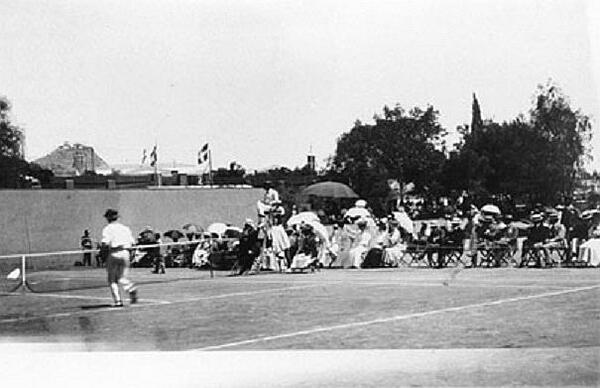
Meaning and pronunciation of the word ‘tennis’
“`html Word: Tennis Meaning: A sport played between two players (singles) or four players (doubles) who hit a ball back and forth over a net using strung rackets. Pronunciation: IPA: /ˈtɛnɪs/ Stress: On the first syllable (TEN-nis). Homophone: “Tenness” (though uncommon). Morphology Basic Forms: Noun: tennis (uncountable for the sport, rare “tennises” for matches) Verb: tennises (3rd person singular, e.g., “He tennises every Saturday”), tennising, tennised Notes: The verb form is now largely obsolte or dialectal. The noun form is invariable (no distinct plural). Grammar & Usage Notes As a noun, it is usually treated as an uncountable mass noun: “They play tennis.” (Referring to the sport). Incidentally, “tennises” can be used as the plural noun meaning individual matches. As a verb, it is very rare in modern English and often considered archaic or dialectal. Interesting Facts The word originates from the Old French imperative command “Tenez!” meaning “Hold!” or “Take it!”, shouted by the server before hitting the ball. Table tennis (also called ping pong) is a distinct indoor sport with different rules and equipment. Originally, tennis balls could be hit with the hand (“jeu de paume” or “game of the palm”) before rackets were used. Learning Tips Focus on the double ‘n’ – remember “TEN-nis”, not “te-ness”. Picture two rackets making a “NN” shape. Practice the IPA /ˈtɛnɪs/: Start with the “pen” sound in “pen”, then quickly say “is”. Associate it strongly with the net and the racket. Examples Simple: “They like to play tennis on weekends.” Medium: “After months of rigorous training, she qualified for the regional tennis championships.” Complex: “While the invention of the asphalt tennis court revolutionized accessibility, traditional grass courts remain iconic in tournaments like Wimbledon.” Related Vocabulary Synonyms: lawn tennis (specifically on grass courts) Common Combinations: play tennis tennis court tennis racket/ball professional tennis tennis match/game Mini-Tasks Make a Sentence: Write a sentence using “tennis” to describe your weekend plans. Find a Synonym: What other term is frequently used for “tennis” on grass courts? (Hint: Starts with ‘l’). Pronunciation Check: Listen to the IPA /ˈtɛnɪs/ and say the word three times. Difference: Look up “table tennis” or “ping pong” online. How is it different from regular “tennis”? “
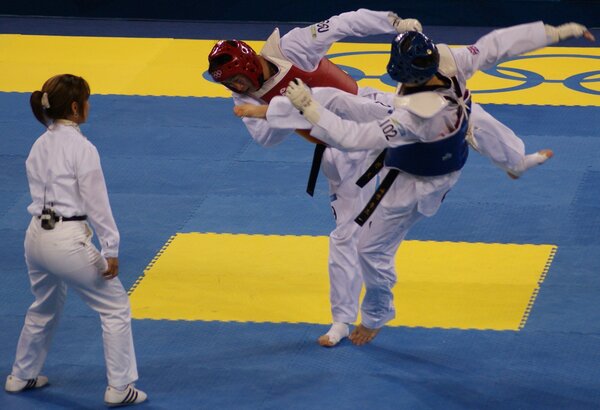
Meaning and pronunciation of the word ‘taekwondo’
“`html Meaning Taekwondo is a Korean martial art emphasizing high, fast kicking techniques. It is known for its dynamic leg movements and acrobatic kicks. Sparring in Taekwondo is an Olympic sport. Pronunciation & Stress English: Formal: /ˌtaɪkˈwɒn.doʊ/ → TYE-kun-doh (primary stress on kun) Colloquial: /ˌteɪˈkwɒn.doʊ/ → TAY-kun-doh (stress on kun) Alternative: /-ˈkwɒn-/ → emphasis on kwon Korean: Dae (대/大, “great”) + Kwon (권/拳, “fist”) + Do (도/道, “way”) French: /te.kwɔ̃.do/ → tuh-kwon-doh Morphology The word comes from three Korean Hanja: dae (大) = great/large kwon (拳) = fist/fighting do (道) = way/path Together: “The way of the great kick“. Grammar Notes Uncountable noun in English/French/Spanish (no plural form). Often abbreviated as TKD in sports contexts. Followed by prepositions: “practicing taekwondo“, “competing in taekwondo“. Learning Tips & Cultural Context Mnemonic: Remember “TAE” as “Two Ats in a Elevator” (like the “two hands to face” action). Training: Dojos (dojang in Korean) are training halls. Belt ranks signify skill levels. Olympic Context: Official sport since 2000 Sydney Olympics. Score points with kicks to opponent’s torso/head. Cultural Insight: Olympic flags display the Taeguk (Korean flag symbol). Belt colors represent elements/stages of growth. Synonyms & Phrases Synonyms: martial art, TKD, kicking sport Common Collocations: wearing a dobok (uniform), score points, performed a spinning kick, received a black belt Examples in Sentences Simple: “She trains at the taekwondo club every Tuesday.” Medium: “In taekwondo, students bow to show respect before sparring.” Complex: “The athlete won a silver medal through strategic spinning kicks, despite taking a strong punch in the final round of Olympic taekwondo. Mini-Task Practice Make a sentence: Use “taekwondo” with either dobok or promotion. Find the synonym: What word in the text means “martial art” in Korean? Stress drill: Listen to the IPA. Where is the main stress in “taekwondo”? Could you say “ay-kwon-doh” vs “tye-kwon-doh”? Cultural connection: What is the symbol on the Olympic flag for Taekwondo events called? (Answer: Taeguk) “

Meaning and pronunciation of the word ‘table tennis’
“`html Definition & Meaning Table-tennis is a racket sport played on a table divided by a net. Players use small paddles to hit a hollow plastic ball back and forth. It shares similarities with tennis but is played indoors with smaller courts and equipment. The sport requires speed, precision, and strategic thinking. Pronunciation & Stress IPA: /ˈteɪbəl ˈtenɪs/ Stress falls on the first syllable of both words (“TAY-buhl TEN-is”). Morphology Table-tennis is a compound word formed by combining: Table (referring to the playing surface) Tennis (indicating the sport’s similarity to lawn tennis) The hyphen connects the words grammatically. Grammar Notes Primarily used as a mass noun (uncountable): Example: “Table-tennis is perfect exercise.” Used as a countable noun when referring to matches/games: Example: “We watched two table-tennis today.” Noun phrase example: “The Olympic table-tennis champion”. Interesting Facts Invented in England around 1880s as an indoor version of tennis. Ping Pong was a registered trademark until 1981; now “table-tennis” is official. Recognized as the world’s most popular individual sport with over 300 million players. Learning Tips Break the compound word when learning: Write table and tennis separately on flashcards. Associate with the iconic sound of the ball: “ping-pong”. Use gestures: mimic paddle movements while saying the word. Cultural Context Internationally known as table-tennis, it’s a major sport in: Asia: China dominates internationally (winning 40+ Olympic golds) Europe: Popular in Germany and Sweden with professional leagues UK/US: Often called “ping-pong” informally in casual settings Table-tennis diplomacy famously softened US-China relations in the 1970s (“friendly table-tennis contests”). Synonyms & Collocations Synonyms: ping pong, gossima (archaic), flim-flam (archaic), whiff-whaff (archaic) Common collocations: play table-tennis table-tennis racket table-tennis champion table-tennis match Example Sentences Simple: “My brother plays table-tennis after school.” Medium: “The champion practiced intense footwork drills for the international table-tennis competition.” Complex: “Despite its origins in Victorian England, table-tennis has evolved into a globally celebrated sport that tests reflexes, strategy, and mental resilience more than physical strength.” Mini-Exercises Create a sentence: Use “table-tennis” in a sentence about training. Synonym hunt: Find two other words for table-tennis from the text. Pronunciation challenge: Say “table-tennis” three times fast! Real-life check: Identify 1 table-tennis equipment item (e.g., racket, ball, net). “
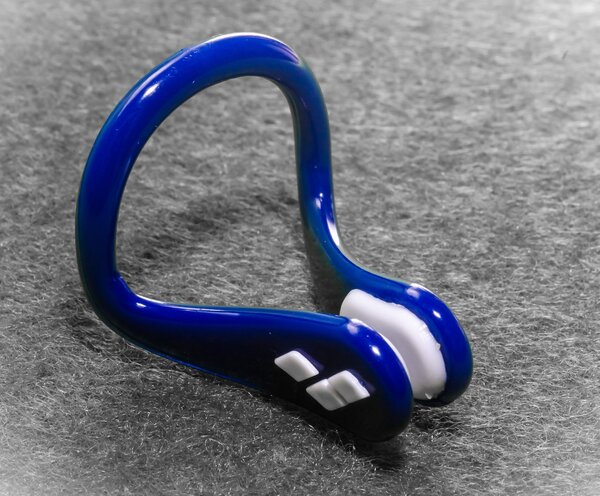
Meaning and pronunciation of the word ‘synchronized swimming’
“`html Meaning & Definition synchronized swimming (also artistic swimming): A performance or competitive sport combining swimming, dance, and gymnastics. Athletes perform choreographed routines of intricate movements, lifts, and lifts in unison while holding their breath underwater, entirely within the water environment. Pronunciation IPA: /saɪŋkruːənaɪzd ˈswɪmɪŋ/ Stress: SYNG-krə-nized SWIM-ming (Primary stress on the first syllable of ‘synchronized’ and the first syllable of ‘swimming’). Morphology Phonological unit: Three syllables – syn-chro-nized-swim-ming. Morphology: A compound noun hyphenated when used attributively (e.g., synchronized-swimming team). Composed of the verb “synchronize” + the verb “swim” + the suffix “-ing” in both elements. The first part forms an adjective meaning “occasionally”, the second “water sports activity”. Grammar: Can be used as a countable noun (e.g., “She competed in two synchronized swims”) or uncountable (general activity). Usage Notes Since 2017, the world governing body FINA (World Aquatics) has officially deprecated “synchronized swimming” in favor of “artistic swimming”, primarily recognizing its dance and performance elements alongside technical swimming. However, “synchronized swimming” remains widely understood and used colloquially and in historical contexts. Synonyms & Word Combinations Synonyms: Artistic swimming, water ballet (archaic). Common Collocations: Practice synchronized swimming, watch synchronized swimming, compete in synchronized swimming, perform a synchronized swimming routine, Olympic synchronized swimming, national synchronized swimming championship. Examples in Context Simple: The children took synchronized swimming lessons this summer. Medium: Winning the national synchronized swimming competition requires incredible endurance and precision. Complex: The athletes’ breathtaking synchronized swimming routine, set to classical music, earned them perfect scores for synchronization despite the physically demanding lifts submerged for over thirty seconds. Cultural Features Olympic Sport: Synchronized swimming has been an Olympic sport since 1984 (solo and duet events initially, later team events). Performance & Teamwork: Emphasizes extreme physical fitness, breath control, memory (of complex routines), artistic expression, and seamless teamwork. Learning Tips Mnemonic: Think “Synchroni ZED SWIMming” – they are kept ‘ZED’ (as in ‘synchronized’) together). Chunking: Break it into parts: SYN-chroni-zed SWIM-ming. Learn the actual meaning – swimmers ‘in time’ – not just the sounds. Visualization: Imagine swimmers perfectly mirroring each other’s movements beneath the water surface. Mini-Tasks Mnemonic Creation: Invent a phrase or story to remember “synchronized swimming” (e.g., “Swimmers who sing and swim AND are Z’d together”). Word Sort: Group these verbs: swim, fly, dance, fly (patterns in the air), run, swim (in water), walk, synchronize. How do the meanings relate? Why does “synchronize” combine with “swim”? Sentence Challenge: Write one sentence using “synchronized swimming” describing training, another describing watching a competition, and a third describing the history of the sport. Thesaurus Hunt: Besides “artistic swimming”, find 2 other synonyms for “swimming”. How do their connotations differ? (e.g., dip, paddle, plunge, backyard swimming) “
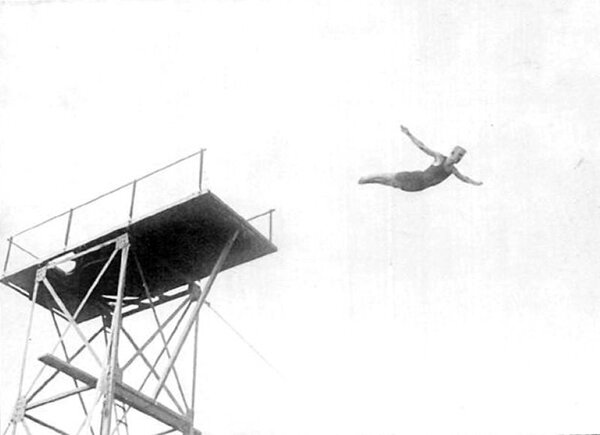
Meaning and pronunciation of the word ‘swimming’
“`html Meaning Swimming primarily refers to the recreational or competitive activity of moving through water using limbs. Less commonly, it describes a state of dizziness or vertigo. Pronunciation Standard English: /ˈswɪmɪŋ/ – Primary stress on the first syllable (“SWIM”). – Rhyme: Consistent with -im-ɪŋ patterns (e.g., grimm, hymn). Morphology Formed by adding the suffix -ing to the verb swim (of Middle English origin). – **Noun (Gerund):** The act of swimming (e.g., “Swimming requires practice”). – **Noun (Dizziness):** Rare, archaic usage. – **Verb Form:** Functions as the present participle/gerund (e.g., “She is swimming”). Grammar Notes – Can be countable (“two swimmings today”) or uncountable (“Swimming is healthy”). – Same spelling for noun and verb form; context determines function. Interesting Facts – The dizziness meaning survives in languages like German (Schwimmen) and Russian (plavyt’), but is largely obsolete in modern English. – Human swimming dates back 10,000+ years; oldest known pool discovered in India. Tips for Learning – Visualize water movement + body motion for the primary meaning. – Associate the dizziness sense with spinning motions (like a tumble in water). – Practice pronunciation by exaggerating “SWIM” → “SWIMming” (avoid weakening the second syllable). Cultural Context – Pool complexes and marathon swims (e.g., English Channel) are global phenomena. – “Swimming pool” has a distinct etymology from “swimming” as water propulsion. Example Sentences Simple: “I go swimming every Sunday.” Medium: “The Olympic swimming events drew millions of viewers.” Complex: “After the exhilarating open-sea swimming competition, the athletes felt momentarily swimming due to motion sickness.” Vocabulary Connections Common Phrases: leisure swimming, swimming pool, swimming lesson, swimming stroke. Related Words: aquatics (syn), float (syn), drown (ant). Mini-Tasks Meaning ID: Identify which sense fits: “I heard a pop song called ‘Treading Water’, not about swimming. Synonym Swap: Replace “swimming” in “He practices daily” with a synonym. Prefix Challenge: Add a prefix to “swimming” to create a new word (e.g., non-swimming).
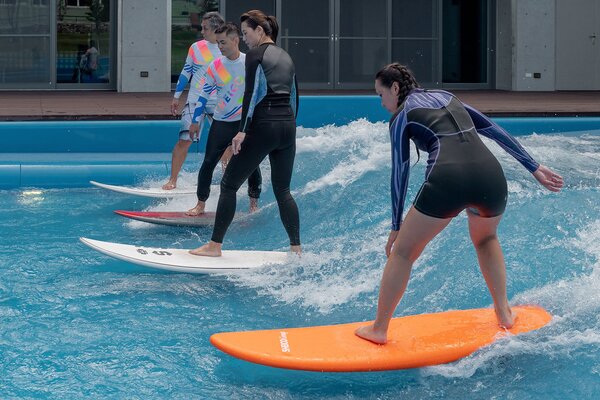
Meaning and pronunciation of the word ‘surfing’
“`html Surfing: Word Analysis Meaning: Refers primarily to the sport of riding ocean waves on a surfboard. By extension, it commonly describes browsing the internet. Pronunciation IPA (General American): /’sɝfɪŋ/’ Stress: The primary stress falls on the first syllable. Rhyme: Rhymes with words like “serving”, “jerking”, and “verbing”. Part of Speech & Morphology Primarily a noun (uncountable in its main meaning). Also the present participle and gerund form of the verb “surf”. Shares its core meaning with the noun “surfing” (sport) and verb “to surf”. Grammar Notes As a gerund (noun form of a verb), it can be used similarly to other nouns: “Surfing is fun.” “I love surfing.” As a present participle (verb form), it describes an ongoing action, often used with forms of ‘be’: “He is surfing the waves.” “They saw a dolphin surfing a wave.” Useful Phrases & Collocations Common word combinations: to go surfing (to engage in the activity) catch a wave (to start surfing a specific wave movement – refers to surfing itself) shred the curl (slang for exciting surfing) go surfing (verb phrase for internet browsing) surf the web/internet (verb phrase for internet browsing) be all about surfing (informal – surfing is the main focus/interest) Quick Facts & Learning Tips Dual Meaning: Remember the surfing sport and internet browsing meanings; context is crucial. The ‘-ing’ Ending: This suffix creates action nouns (gerunds) and progressive verb forms (present participles). Here, “surfing” could be either depending on use. Imagery Tip: Picture someone riding a wave to remember it’s an action. For internet surfing, picture gliding quickly through information like gliding over waves. Cultural Note: Originated from the water sport, rooted in ancient Hawaiian culture, popularized globally in the 20th century. Examples Simple: “I like surfing.” (Noun – General liking) Medium: “She was surfing in Miami last summer.” (Verb – Past action) Complex: “Surfing the internet for hours often leads to finding interesting but unrelated content.” (Noun – Subject of sentence) Mini-Task: Test Your Understanding Choose & Create: Write 1 sentence using “surfing” as a noun (gerund) and 1 using it as a verb (present participle). Use the contexts below: Learning Sport: “I learned how to _____.” Internet Use: “They are _____ when they should be working.” Match Meaning: Which sentence means internet browsing? A. “He is _____ the perfect wave.” B. “He spends all evening just _____.” “