English Word: Flat Pronunciation: /flæt/ (IPA), with stress on the single syllable. It rhymes with “cat” and “hat.” In British English, it’s often pronounced the same as in American English, but regional accents may vary slightly. Etymology: Derived from Old Norse flatr, meaning “flat,” from Proto-Germanic *flataz. It entered Middle English around the 14th century. An interesting fact: The term “flat” in music for a lowered note (♭) comes from the early printing of music where the symbol resembled a small “b” for “bemol” (soft in Italian). Morphology and Grammar Notes: As an adjective, “flat” is irregular in comparison: flat, flatter, flattest. It can function as a noun (e.g., apartment or musical note) or adverb (e.g., “run flat out”). No major inflectional changes beyond standard plurals for nouns (flats). In British English, “flat” commonly means apartment; in American English, it’s less used, favoring “apartment.” Meanings: Adjective: Level and even, without slopes or bumps (e.g., flat road). Without variation in pitch, tone, or price (e.g., flat fee). Dull or uninteresting (e.g., flat story). In music, lowered by a semitone (e.g., B flat). Noun: A level area of land (e.g., salt flats). An apartment, especially in British English (e.g., city flat). A musical note symbol (♭). A deflated tire (e.g., got a flat). Verb: To make something level or flatten (rarely used). In poker slang, to call a bet without raising. Synonyms and Antonyms: Synonyms (adjective): even, level, smooth; (dull): boring, monotonous; (noun-apartment): apartment (US), unit. Antonyms (adjective): hilly, uneven, bumpy; (music): sharp; (noun-shoes): high-heeled. Common Combinations: Flat tire, flat rate, flat screen, go flat (for drinks), flat out (as fast as possible). Examples: Simple: The table is flat. Medium: She lives in a small flat in London. Complex: After driving over the broken glass, we discovered the tire had gone flat, forcing us to pull over on the deserted highway while the sun set. Cultural/Contextual Features: In the UK, “flat” is everyday slang for an apartment, often in urban settings like London tower blocks. In music, flats are key in genres like jazz (e.g., “Blues in B flat”). Historically, “flats” refer to vast plains in the American West, evoking images of cowboys and open landscapes. Tips to Learn Easier: Associate “flat” with a pancake—smooth, level, and stackable like apartments. Practice by describing rooms: “This floor is flat, not bumpy.” Visualize musical flats as “falling” notes to remember the pitch drop. Use mnemonics: Flat = F-L-A-T (Flat Land And Terrain). Mini-Tasks: Make a sentence using “flat” as a noun for an apartment. Find a synonym for “flat” meaning “dull” and use it in a sentence. Antonym challenge: What’s the opposite of a “flat” note in music? Explain why. Combination practice: Describe a situation with “flat out” effort.
Meaning and pronunciation of the word ‘fanfare’
Fanfare Meaning: Fanfare refers to a short, lively tune played on brass instruments like trumpets, often to announce something important or create excitement. It can also mean a show of ceremony, publicity, or elaborate display to mark an event. As a verb, it means to announce or introduce something with great pomp and circumstance. Pronunciation and Stress In Received Pronunciation (British English), it’s pronounced /ˈfæn.fɛə/ with stress on the first syllable: FAN-fair. In General American English, it’s /ˈfæn.fer/ , sounding like FAN-fair with a rhotic ‘r’. The stress is always on “fan,” making it punchy like the sound it describes. Etymology and Morphology The word fanfare entered English in the 18th century, borrowed from French fanfare, which likely derives from Spanish fanfarria (boasting) or Arabic roots related to fluttering sounds. Morphologically, it’s a noun that can be countable (specific fanfares) or uncountable (general ceremony). The verb form follows regular English patterns: fanfares, fanfaring, fanfared. No irregular grammar notes; it’s straightforward but often used metaphorically. Interesting Facts Fanfares originated in medieval Europe for royal announcements or hunts, evoking the blast of hunting horns. Interestingly, in Dutch, fanfare means a brass band, showing how the word evolved across cultures to denote excitement or commotion. In music history, composers like Richard Wagner used fanfares to heighten drama in operas. Cultural and Contextual Features Fanfares are common in ceremonies like parades, weddings, or sports events to build anticipation. In modern contexts, “media fanfare” describes hype around product launches. Culturally, they symbolize grandeur in Western traditions but appear in global music, like Turkish fanfar ensembles influenced by French colonialism. Examples in Sentences Simple: The trumpets played a fanfare for the king. Medium: The movie premiere was announced with great fanfare and red carpets. Complex: Amid the swirling lights and echoing fanfare of the orchestra, the award winner stepped onto the stage, her heart pounding with a mix of joy and nervousness. Synonyms, Antonyms, and Common Combinations Synonyms: Flourish (for music), pomp, spectacle, hype. Antonyms: Silence, understatement, modesty. Common Combinations: With great fanfare (introduce elaborately), fanfare and drums (ceremonial music), media fanfare (publicity buzz), herald with fanfare (announce dramatically). Tips to Learn It Easier Associate “fanfare” with the sound of a fan blowing (fan-) plus “fair” excitement—imagine trumpets fanning out noise at a fair. Listen to audio clips of trumpet fanfares on YouTube to hear the lively rhythm, and practice using it in sentences about events. Mnemonic: Fan-fare = fans cheering with fare (grand display). Mini-Tasks for Practice Make a sentence: Describe a fanfare at your favorite event. Find a synonym: Replace “fanfare” in “The launch had fanfare” with another word. Create a story: Write a short paragraph introducing a character with fanfare. Listen and repeat: Search for a fanfare audio and mimic the pronunciation.
Meaning and pronunciation of the word ‘exposition’
Etymology The word “exposition” comes from Middle English exposicioun, borrowed from Old French esposicion, which derives from Latin expositiō, the noun form of expōnere meaning “to put forth” or “to expose.” The sense of “exhibition” developed later as a semantic loan from French. Pronunciation The standard American English pronunciation is IPA: /ˌɛkspəˈzɪʃən/, with primary stress on the third syllable (ex-po-ZI-shən). In British English, it may be similar but with slight vowel variations. To practice, emphasize the “zi” sound, rhyming with “vision.” Meanings Exposition (noun, countable and uncountable; plural: expositions) primarily refers to: The act of explaining or describing something clearly, especially in writing or speech. An exhibition or public display, such as of art, goods, or cultural items. In literature or film, the initial section that provides background information on characters, setting, or plot. In music, the opening part of a sonata or fugue where themes are introduced. Less commonly, exposure to something (e.g., sunlight) or the historical abandonment of a child. Morphology and Grammar Notes Morphologically, “exposition” is derived from the Latin root ex- (out) + ponere (to place), forming verbs like “expose” and “propose.” It functions as a noun and is versatile: uncountable for the general concept (e.g., “clear exposition”) or countable for specific instances (e.g., “the art exposition”). No irregular forms; it follows standard pluralization. Use it in formal contexts like academic writing or event descriptions. Short Interesting Facts The term gained prominence during the 19th-century world’s fairs, like the 1851 Great Exhibition in London, often called “expositions,” which showcased industrial and cultural progress. In literature, exposition is crucial for storytelling—think of how J.R.R. Tolkien uses it in The Lord of the Rings to build Middle-earth’s world. Tips to Learn It Easier Associate “exposition” with “expose” + “-ition” (like position), imagining “placing out” ideas or items for display. Break it into syllables: ex-po-si-tion. Practice by linking to familiar events, like an art expo, to remember the exhibition sense. Use mnemonic: “Expo-sition” as in a sunny “expo” (exposure) position. Cultural or Contextual Features In English-speaking cultures, “exposition” evokes trade shows or book fairs, such as the annual Frankfurt Book Fair. In fiction, poor exposition can “info-dump,” overwhelming readers—writers aim for subtle integration. Historically, it ties to Enlightenment ideals of public education through displays. Examples of Sentences Simple: The exposition explained the rules clearly. Medium: At the science exposition, visitors marveled at the new inventions on display. Complex: While the novel’s exposition in the first chapter provides essential backstory about the protagonist’s troubled past, it skillfully weaves in hints of the impending conflict that drives the entire plot forward. Synonyms, Antonyms, and Common Word Combinations Synonyms: Explanation, description (for clarifying sense); exhibition, show, display (for event sense). Antonyms: Concealment, obfuscation; narrative, climax (in literary contexts). Common Combinations: Clear exposition, art exposition, expository writing, world exposition, musical exposition. Mini-Tasks for the Student Make a sentence using “exposition” in its literary meaning. Find a synonym for “exposition” as an exhibition and use it in a sentence. Research a famous historical exposition (e.g., World’s Fair) and note one interesting fact. Create a short paragraph with both the explanatory and event senses of the word.
Meaning and pronunciation of the word ‘ensemble’
Ensemble Etymology: Borrowed from French ensemble, meaning “together,” from Latin īnsimul, a variant of simul (“at the same time”). This reflects its core idea of unity from separate parts. Pronunciation In English, ensemble is pronounced with stress on the second syllable. Standard IPA: /ɑːnˈsɒmbəl/ (US) or /ɒnˈsɒmbəl/ (UK). The French influence gives it a nasal quality in some accents, like /ɑ̃sɑ̃bl/. Tip: Break it down as “on-SOM-buhl” to capture the French flair without over-nasalizing. Meanings and Morphology Ensemble functions mainly as a noun (plural: ensembles), but also as a verb. As a noun, it derives from French roots indicating a “whole” or “set.” No major morphological changes in English; it’s uninflected beyond pluralization. Noun: A group of items or elements that form a coordinated whole, like parts of an artwork. (Fashion) A matching outfit or coordinated clothing set. (Performing arts) A group of musicians, dancers, or actors performing together, e.g., a theater troupe or orchestra section. (Music) A composition for multiple performers. (Math/Physics) A set of possible states in a system; in machine learning, a model combining multiple algorithms. Verb: To organize into a unified group; (music) to perform as part of a group. Forms: ensembles, ensembling, ensembled. Grammar Notes As a noun, it’s countable and often used in collective senses. In sentences, it pairs with prepositions like “as an ensemble” for arts contexts. Avoid confusing with the French adverb meaning “together”—English uses it only nominally or verbally. Synonyms, Antonyms, and Common Combinations Synonyms: Group (general), cast (theater), band (music), outfit (fashion), aggregate (math). Antonyms: Disarray, solo (for group senses), individual (vs. collective). Common Combinations: Musical ensemble, fashion ensemble, ensemble cast, play ensemble, statistical ensemble. In fashion: “summer ensemble.” In tech: “ensemble method.” Examples Simple: The dancers formed an ensemble. Medium: She wore a stylish ensemble to the party. Complex: In the symphony, the string ensemble harmonized seamlessly with the woodwinds, creating a rich tapestry of sound that captivated the audience. Interesting Facts and Cultural Features The word entered English in the 15th century via French, popularizing in the 19th for theater and music. Culturally, it’s key in ballet (e.g., corps de ballet ensembles) and fashion shows. In quantum physics, an “ensemble” describes averaged system behaviors, linking arts and science. Fun fact: Disney films like Ice Age: Continental Drift use “ensemble cast” for star-studded voice acting, highlighting overcrowded talent pools. Tips to Learn It Easier Associate with “assembly” (similar root) for group meanings. Practice by visualizing: Picture a band (music), outfit (fashion), or puzzle (whole). Mnemonic: “On some bull” sounds like /ɒnˈsɒmbəl/—imagine a group herding bulls together! Mini-Tasks Make a sentence: Describe your ideal fashion ensemble. Find a synonym: Replace “ensemble” in “The band is an ensemble” with another word. Contextual use: Research a famous musical ensemble like the Vienna Philharmonic and note how the term fits.
Meaning and pronunciation of the word ‘electronic music’
Electronic Music Part of Speech: Noun Definition: Electronic music is a genre of music that uses electronic instruments, such as synthesizers and drum machines, and digital technology to create sounds. It is usually uncountable, but can take a plural form “electronic musics” when referring to different styles. Pronunciation: /ɪˌlɛkˈtrɑn.ɪk ˈmju.zɪk/ (British English) or /ɪˌlɛkˈtrɑː.nɪk ˈmjuː.zɪk/ (American English). The primary stress falls on the second syllable of “electronic” (lek-TRON-ic) and the first syllable of “music” (MU-zic). Morphology: This is a compound noun formed by combining the adjective “electronic” (relating to electricity or electronics) with the noun “music” (sounds arranged in a pattern). “Electronic” derives from “electron,” a subatomic particle, first used in the 19th century; “music” comes from Latin “musica,” meaning art of the Muses. Grammar Notes: Typically uncountable, so use “electronic music” without an article for general reference (e.g., “I love electronic music”). For specifics, use articles: “the electronic music in that club.” Plural “electronic musics” is rare but possible for subgenres. Short Interesting Facts: Electronic music originated in the 1920s with experimental composers like Luigi Russolo, but gained popularity in the 1970s through artists like Kraftwerk. The first commercial synthesizer, the Moog, revolutionized the genre in 1964. Tips to Learn It Easier: Associate “electronic” with gadgets like your phone’s sounds, and “music” with rhythms. Listen to tracks on apps like Spotify—start with playlists labeled “electronic” to hear it in action. Break it down: practice saying “e-lec-tron-ic mu-sic” with claps on stressed syllables. Cultural or Contextual Features: Electronic music thrives in nightlife scenes, clubs, and festivals like Burning Man or EDC (Electric Daisy Carnival). It’s global, influencing pop (e.g., Daft Punk) and therapy (calming ambient tracks). Subgenres include techno (energetic, repetitive) and ambient (atmospheric, relaxing). Examples: Simple: Electronic music is fun to dance to. Medium: Many DJs create electronic music using software like Ableton. Complex: Although electronic music emerged from avant-garde experiments in the early 20th century, its mainstream explosion in the 1980s, driven by affordable synthesizers, has made it a cornerstone of modern festivals worldwide, blending human creativity with digital innovation. Synonyms: Synth music, electro, digital music. Antonyms: Acoustic music, folk music. Common Word Combinations: Electronic music festival, electronic music producer, electronic dance music (EDM—a popular hyponym), live electronic music set. Mini-Tasks for Students: Make a Sentence: Write a simple sentence using “electronic music” about your favorite activity. Find a Synonym: List two synonyms for “electronic music” and explain why one fits a club context better. Explore Subgenres: Research one hyponym like EDM and name an artist who popularized it. Pronunciation Practice: Record yourself saying the word three times, focusing on stress, and compare to an online audio clip. Hyponyms: Electronic dance music (EDM), techno, house.
Meaning and pronunciation of the word ‘easy listening’
Easy Listening Meaning: Easy listening is a genre of popular music that features simple, melodic, and relaxing tunes, often with orchestral arrangements or light vocals. It emphasizes smooth, unobtrusive sounds designed for background enjoyment rather than intense listening. Originating in the mid-20th century, it became associated with adult contemporary music that avoids rock’s energy or classical music’s complexity. Pronunciation and Stress The standard pronunciation in American English is /ˈiːzi ˈlɪsənɪŋ/, with primary stress on the first syllable of each word: EE-zee LIS-uh-ning. In British English, it’s similar but may sound as /ˈiːzi ˈlɪs(ə)nɪŋ/, with a softer “s” in “listening.” To practice, break it down: say “easy” like “breezy” without the “br,” and “listening” as in casually hearing music. Morphology and Grammar Notes Easy listening is a compound noun formed by combining the adjective “easy” (meaning relaxed or uncomplicated) with the gerund “listening” (from the verb “to listen”). It’s typically uncountable, so use it without articles in general references: “I enjoy easy listening.” No plural form exists; for specifics, say “an easy listening song” or “easy listening tracks.” It’s often hyphenated as “easy-listening” when used as a modifier, e.g., “easy-listening album.” Short Interesting Facts This genre peaked in popularity during the 1950s–1970s, with artists like Frank Sinatra and Henry Mancini creating hits such as “Moon River.” It was sometimes mocked as “elevator music” for its use in public spaces, leading to the term “Muzak” (a brand of piped-in tunes). Interestingly, easy listening influenced modern chillout and ambient music, bridging pop and relaxation genres. Cultural and Contextual Features Easy listening reflects post-World War II America’s desire for comfort and escapism, often played on radio stations targeting middle-aged audiences. In elevators, supermarkets, and offices, it provides soothing ambiance without distraction. Globally, it’s known in Finnish as a synonym for “viihdemusiikki” (entertainment music) and in French simply as “easy listening,” showing its English roots. Culturally, it’s tied to nostalgia, evoking cozy evenings or drives. Tips to Learn It Easier Associate the word with real sounds: Stream playlists on Spotify labeled “easy listening” featuring artists like Bert Kaempfert. Visualize it as “easy on the ears while listening,” and practice by humming familiar tunes. Use flashcards with audio clips to link spelling, sound, and meaning. Examples in Sentences Simple: Easy listening helps me relax. Medium: She plays easy listening music during dinner parties. Complex: Although critics often overlook easy listening for its simplicity, many people find solace in its gentle melodies that transport them to calmer times after a hectic day. Synonyms, Antonyms, and Common Word Combinations Synonyms: Lounge music, light music, adult contemporary, middle-of-the-road (MOR). Antonyms: Hard rock, heavy metal, experimental jazz (genres that are energetic or challenging). Common Combinations: Easy listening album, easy listening radio, easy listening artist, background easy listening. Mini-Tasks for Practice Make a sentence: Create your own using “easy listening” in a context like travel or work. Find a synonym: List two synonyms and explain why they fit (e.g., “lounge music” for its relaxed vibe). Listen and describe: Play an easy listening song online and write three words to describe how it makes you feel. Spot it in context: Read an article about music genres and underline any mentions of easy listening or similar styles.
Meaning and pronunciation of the word ‘duet’
Etymology The English word duet comes from Italian duetto, meaning “short musical composition for two voices,” a diminutive of due (“two”). It entered English in the 18th century, reflecting its musical roots. Pronunciation In English, duet is pronounced as /djuˈɛt/ (with stress on the second syllable, like “dyoo-ET”) or /duˈɛt/ in American English (more like “doo-ET”). It rhymes with words like set or wet. The “du” sound can vary by accent—British speakers often use /dju/ with a “y” glide. Meanings and Morphology As a noun, duet refers to: A musical composition for two performers, such as singers or instrumentalists. The act of performing such a piece by a pair. Figuratively, any harmonious pair or couple. Morphology: It’s a countable noun (plural: duets). No irregular forms. As a verb (intransitive or transitive), duet means to perform music together as a pair, or to say something simultaneously. Present participle: duetting or dueting (UK often doubles the ‘t’). Past: duetted or dueted. Grammar Notes Use as a noun with articles: “a duet” or “the duet.” As a verb, it pairs with prepositions like “duet with someone.” In zoology, it describes paired animal songs, e.g., birds duetting to defend territory. Synonyms and Antonyms Synonyms (noun): duo, pair, twosome, couple. Synonyms (verb): harmonize, pair up, chorus. Antonyms: solo (for musical contexts), singleton. Common combinations: sing/perform a duet, piano duet, love duet, duetting birds. Examples in Sentences Simple: The singers performed a duet. Medium: In the opera, the lead actors sang a beautiful duet about their romance. Complex: Although they had never rehearsed together before, the violinist and pianist managed to duet flawlessly, captivating the entire audience with their synchronized melody. Short Interesting Facts Duet highlights music’s social side—it’s from the Baroque era, when composers like Handel wrote duets to showcase vocal interplay. In nature, over 200 bird species duet, often for mating or territory, as noted in Edward O. Wilson’s Sociobiology (1975). Culturally, famous duets include “Shallow” by Lady Gaga and Bradley Cooper from A Star is Born, blending pop and emotion. Tips for Learning Associate duet with “two” (from due) to remember its pairing essence. Listen to duets on platforms like YouTube—start with simple ones like Simon & Garfunkel’s folk tunes. Practice by duetting with a friend using karaoke apps to grasp the harmony. Cultural or Contextual Features In Western classical music, duets emphasize dialogue between voices, symbolizing unity or conflict. In modern contexts, they’re staples in musicals (e.g., West Side Story) and pop, fostering connection. Internationally, the word appears in languages like Dutch (duet), Polish (duet), and Indonesian (duet), often borrowed directly for music. Mini-Tasks for Students Make a sentence: Write one using duet as a verb in a musical context. Find a synonym: List two synonyms for duet as a noun and use one in a sentence. Explore: Name a famous duet from a movie or song, and explain why it’s memorable.
Meaning and pronunciation of the word ‘dance music’
English Noun dance music (uncountable) Music composed to accompany social dancing. In modern usage, it often refers to electronic dance music (EDM), a genre featuring synthesized beats and rhythms designed for dancing in clubs or at festivals. Pronunciation /dæns ˈmjuːzɪk/ (British English) or /dæns ˈmuːzɪk/ (American English). The primary stress falls on the first syllable of “music,” making it sound rhythmic like the music itself. Meaning Dance music encompasses any tunes created for physical movement in social settings, from traditional folk dances to high-energy electronic tracks. Historically, it includes waltzes or polkas; today, it primarily denotes upbeat, repetitive electronic styles like house, techno, or trance that energize crowds. Morphology This is a compound noun formed by combining the noun “dance” (referring to rhythmic movement) with “music” (sounds arranged in patterns). As an uncountable noun, it doesn’t take an article like “a” or pluralize to “dances music.” Grammar Notes Use it as an uncountable noun: “I listen to dance music” (not “a dance music” or “dance musics”). It functions as a mass noun in phrases like “lots of dance music” to indicate quantity. Usage Notes While “dance + music” can apply to any dance-accompanying genre, everyday language reserves it mostly for modern electronic styles, distinguishing them from ballet music or rapping-focused hip-hop. It helps differentiate EDM-influenced hip-hop from pure rap genres. Short Interesting Facts Dance music’s electronic form exploded in the 1980s Chicago house scene, evolving from disco. Today, it’s a billion-dollar industry, powering events like Burning Man or Ibiza club nights. Tips on How to Learn It Easier Associate it with movement: Tap your foot while saying the word to mimic its rhythmic essence. Listen to playlists on apps like Spotify labeled “EDM” or “dance hits” to connect sound with the term. Break it down: “Dance” evokes energy; “music” adds melody—visualize a party to remember. Cultural or Contextual Features Globally, dance music thrives in nightlife culture, from European raves to American festivals. It’s tied to subcultures like rave parties, where unity and euphoria are key. In pop culture, artists like Calvin Harris embody it, influencing fashion and social media trends. Examples Simple: Dance music is fun to dance to. Medium: The DJ played upbeat dance music that kept everyone moving. Complex: While traditional dance music from folk traditions preserves cultural heritage, contemporary electronic dance music has revolutionized nightlife by blending technology with human expression in pulsating, bass-heavy tracks. Synonyms, Antonyms, and Common Word Combinations Synonyms: EDM (electronic dance music), club music, rave music, techno. Antonyms: Classical music, ambient music (lacking dance rhythm). Common Combinations: Upbeat dance music, electronic dance music, live dance music, house dance music. Mini-Tasks for the Student Make a sentence: Create your own example using “dance music” in a party context. Find a synonym: List two synonyms for “dance music” in the EDM sense and explain why they fit. Practice pronunciation: Say “dance music” three times with stress on “mu-sic,” then hum a simple beat. Explore: Name a famous dance music artist and describe one of their songs briefly. See also: ballet music, vernacular dance
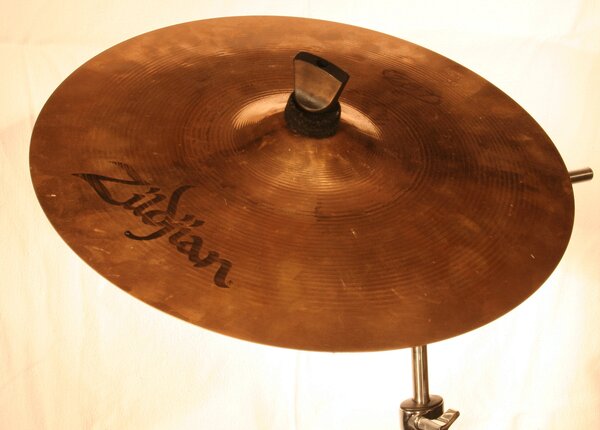
Meaning and pronunciation of the word ‘cymbals’
Word: Cymbals Part of Speech: Noun (plural form of cymbal) Meaning: Cymbals are percussion instruments consisting of two concave brass or bronze plates that are struck together to produce a sharp, resonant sound. They are commonly used in orchestras, bands, and drum kits to add emphasis, rhythm, or dramatic effects in music. Pronunciation: IPA: /ˈsɪmbəlz/ (SIM-buhlz). The primary stress is on the first syllable. It rhymes with words ending in -ɪmbəlz, such as symbols, which is a homophone (sounds the same but means different things—cymbals are instruments, symbols are signs or representations). Morphology and Grammar Notes: “Cymbals” is the standard plural form of “cymbal,” derived from the Latin cymbalum via Old French cymbale. It functions as a countable noun. No irregular forms; the singular is “cymbal.” In sentences, it often pairs with verbs like “crash,” “clang,” or “strike.” No gender in English, but treat as plural (e.g., “The cymbals are shiny”). Short Interesting Facts: Cymbals have been used for over 3,000 years, originating in ancient Turkey and China for rituals and ceremonies. The word entered English in the 14th century. Modern cymbals, like Zildjian (a brand from 1623), are made by hammering metal to create unique tones. Fun fact: In rock music, cymbals often symbolize chaos or climax, as in Led Zeppelin’s intense drum solos. Cultural or Contextual Features: Cymbals are staples in Western classical music (e.g., Tchaikovsky’s 1812 Overture features cannon-like crashes) and global traditions, such as Indian classical music (using jal tarang variants) or marching bands in parades. In jazz and metal genres, they’re essential for rhythm sections. Contextually, “crash cymbals” are handheld pairs, while “suspended cymbals” hang for individual strikes. Synonyms and Antonyms: Synonyms: Clappers (rare), gongs (similar percussion, but not exact). Antonyms: None directly; opposites in music might be “silence” or “soft instruments” like flutes. Common Word Combinations: Crash cymbals, ride cymbal, hi-hat cymbals, suspended cymbals, clash of cymbals. Tips on How to Learn It Easier: Associate “cymbals” with “symbols” by imagining musical notes as crashing icons—both start with “sym” and make a “clang” in your mind. Practice saying it rhythmically: tap your hands like striking plates while pronouncing /ˈsɪm/ (clap) /bəlz/ (echo). Listen to audio clips on YouTube (search “cymbal sounds”) to hear the word in action, reinforcing spelling vs. the silent ‘c’ in “cymbal.” Example Sentences: Simple: The band used cymbals in their song. Medium: During the concert, the drummer crashed the cymbals loudly to end the piece. Complex: In ancient rituals, priests would clash ornate cymbals made of bronze, creating an echoing clamor that filled the temple and heightened the spiritual atmosphere for worshippers. Mini-Tasks for Practice: Make your own sentence: Write a simple sentence using “cymbals” in a musical context. Find a synonym: Think of a word that describes the sound of cymbals (e.g., clang) and use it in a phrase. Homophone challenge: Create two sentences, one with “cymbals” and one with “symbols,” to show the difference. Listen and repeat: Search for “1812 Overture cymbals” online, listen to the crash, and repeat the word aloud three times. Note on Swedish: In Swedish, “cymbals” is the indefinite genitive singular of “cymbal,” meaning “of a cymbal” (e.g., cymbalets cymbals for possession). This is a minor grammatical form, unrelated to the English plural usage.
Meaning and pronunciation of the word ‘country’
Meaning of “Country” The word “country” primarily refers to a nation or sovereign state, such as France or Japan. It can also mean a rural area or countryside, distinct from urban cities, or an unspecified region with shared characteristics like culture or landscape. In modern usage, it often denotes the territory and people of a political entity. Pronunciation and Stress The standard British and American English pronunciation is /ˈkʌntri/, with primary stress on the first syllable (KUN-tree). In Australian English, it’s /ˈkɐntri/. Avoid the common ESL error of /ˈkaʊntri/, which sounds like “county.” Listen to native speakers on sites like Forvo for accurate audio. Morphology “Country” derives from Middle English “contree,” from Old French “contree,” rooted in Vulgar Latin “contrāta” meaning “(land) lying opposite.” It’s unrelated to “county,” despite similarity. As a noun, it has no inflections in modern English but forms adjectives like “countryside” or “countrywide.” Plural: countries. Grammar Notes “Country” is countable (e.g., many countries) and uncountable (e.g., the country as rural area). Use “the country” for the rural sense or specific nations (the United States). It’s often preceded by articles or possessives (my country). No gender in English. Short Interesting Facts From the 14th century, “country” shifted from meaning “opposite land” to modern nation-states. It’s cognate with Scots “kintra.” In Australia, “Country” (capitalized) refers to Indigenous peoples’ traditional lands, embedding cultural and spiritual significance. The word displaced Old English “land” in many contexts. Tips to Learn It Easier Associate it with maps: Visualize borders of countries like Canada or Italy to remember the national sense. Use mnemonics: “Coun-try” sounds like “count trees” for rural imagery. Practice with apps like Duolingo, grouping it with related words (city, town, nation). Listen to country music (e.g., Johnny Cash) for the genre sense, though less common in learning English. Cultural or Contextual Features In British English, “the country” evokes idyllic rural escapes from city life, as in Jane Austen novels. Globally, it symbolizes patriotism (“love your country”) or geopolitics (e.g., developing countries). In Indigenous Australian contexts, it represents ancestral connection beyond political borders, highlighting cultural depth. Examples of Sentences Simple: Japan is a beautiful country. Medium: She moved from the city to the country for a quieter life. Complex: While many countries around the world face economic challenges, those with strong agricultural sectors, like the rural regions in Brazil, continue to thrive by exporting goods to urban markets. Synonyms, Antonyms, and Common Word Combinations Synonyms: Nation (for state), land (poetic), region (for area), countryside (rural). Antonyms: City (urban opposite), ocean (non-land), dependency (non-sovereign). Common Combinations: My home country, third-world country, across the country, country road, country music. Mini-Tasks for the Student Make a sentence: Describe your favorite country and why. Find a synonym: Replace “country” in “I love the country air” with another word. Quiz yourself: What’s the plural of “country”? Pronounce it aloud three times. Explore: List three countries starting with “C” and one fact about each.