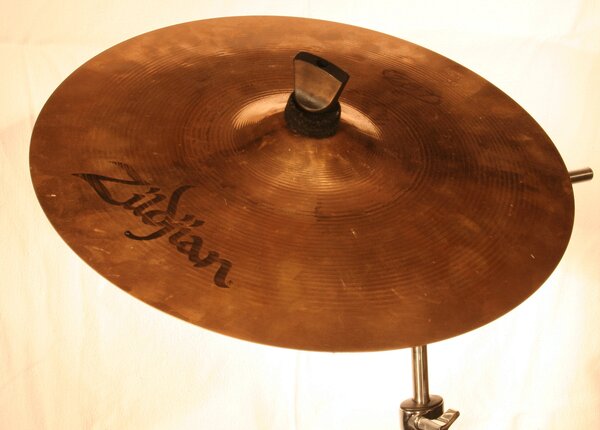
Word: Cymbals
Part of Speech: Noun (plural form of cymbal)
Meaning: Cymbals are percussion instruments consisting of two concave brass or bronze plates that are struck together to produce a sharp, resonant sound. They are commonly used in orchestras, bands, and drum kits to add emphasis, rhythm, or dramatic effects in music.
Pronunciation: IPA: /ˈsɪmbəlz/ (SIM-buhlz). The primary stress is on the first syllable. It rhymes with words ending in -ɪmbəlz, such as symbols, which is a homophone (sounds the same but means different things—cymbals are instruments, symbols are signs or representations).
Morphology and Grammar Notes: “Cymbals” is the standard plural form of “cymbal,” derived from the Latin cymbalum via Old French cymbale. It functions as a countable noun. No irregular forms; the singular is “cymbal.” In sentences, it often pairs with verbs like “crash,” “clang,” or “strike.” No gender in English, but treat as plural (e.g., “The cymbals are shiny”).
Short Interesting Facts: Cymbals have been used for over 3,000 years, originating in ancient Turkey and China for rituals and ceremonies. The word entered English in the 14th century. Modern cymbals, like Zildjian (a brand from 1623), are made by hammering metal to create unique tones. Fun fact: In rock music, cymbals often symbolize chaos or climax, as in Led Zeppelin’s intense drum solos.
Cultural or Contextual Features: Cymbals are staples in Western classical music (e.g., Tchaikovsky’s 1812 Overture features cannon-like crashes) and global traditions, such as Indian classical music (using jal tarang variants) or marching bands in parades. In jazz and metal genres, they’re essential for rhythm sections. Contextually, “crash cymbals” are handheld pairs, while “suspended cymbals” hang for individual strikes.
Synonyms and Antonyms:
- Synonyms: Clappers (rare), gongs (similar percussion, but not exact).
- Antonyms: None directly; opposites in music might be “silence” or “soft instruments” like flutes.
- Common Word Combinations: Crash cymbals, ride cymbal, hi-hat cymbals, suspended cymbals, clash of cymbals.
Tips on How to Learn It Easier: Associate “cymbals” with “symbols” by imagining musical notes as crashing icons—both start with “sym” and make a “clang” in your mind. Practice saying it rhythmically: tap your hands like striking plates while pronouncing /ˈsɪm/ (clap) /bəlz/ (echo). Listen to audio clips on YouTube (search “cymbal sounds”) to hear the word in action, reinforcing spelling vs. the silent ‘c’ in “cymbal.”
Example Sentences:
- Simple: The band used cymbals in their song.
- Medium: During the concert, the drummer crashed the cymbals loudly to end the piece.
- Complex: In ancient rituals, priests would clash ornate cymbals made of bronze, creating an echoing clamor that filled the temple and heightened the spiritual atmosphere for worshippers.
Mini-Tasks for Practice:
- Make your own sentence: Write a simple sentence using “cymbals” in a musical context.
- Find a synonym: Think of a word that describes the sound of cymbals (e.g., clang) and use it in a phrase.
- Homophone challenge: Create two sentences, one with “cymbals” and one with “symbols,” to show the difference.
- Listen and repeat: Search for “1812 Overture cymbals” online, listen to the crash, and repeat the word aloud three times.
Note on Swedish: In Swedish, “cymbals” is the indefinite genitive singular of “cymbal,” meaning “of a cymbal” (e.g., cymbalets cymbals for possession). This is a minor grammatical form, unrelated to the English plural usage.