Definition and Meaning Absorbing is primarily an adjective meaning engrossing or captivating, something that holds someone’s attention completely and sustains their interest. It can also refer to a state in statistics that allows entry but not exit, like an absorbing Markov chain. As a verb form, it is the present participle or gerund of “absorb,” indicating the ongoing action of taking in or soaking up something. Pronunciation In Received Pronunciation (British English): /əbˈzɔː.bɪŋ/ with stress on the second syllable (ab-ZOR-bing). In General American English: /æbˈzɔːr.bɪŋ/ or /əbˈzɔːr.bɪŋ/, stressed similarly as ab-ZOR-bing. The “r” sound is more prominent in American English. Rhymes with “adoring” or “exploring.” Etymology and Morphology Derived from the verb “absorb” (from Latin absorbēre, meaning “to swallow up”) plus the suffix “-ing,” which forms participles and adjectives. This morphological structure turns the action of absorption into a descriptive quality, common in English for creating gerunds and adjectives from verbs. Grammar Notes As an adjective, it is gradable: comparative “more absorbing,” superlative “most absorbing.” It typically precedes nouns (e.g., an absorbing story) or follows linking verbs (e.g., The game was absorbing). As a verb form, it functions in continuous tenses (e.g., The sponge is absorbing water) or as a gerund (e.g., Absorbing knowledge is key to learning). Usage Examples Simple: The movie was absorbing. Medium: She spent the afternoon reading an absorbing novel. Complex: Despite the long hours at work, he found the absorbing details of the historical documentary so engaging that he stayed up late to finish watching it. Synonyms, Antonyms, and Common Combinations Synonyms: engrossing, fascinating, riveting, captivating. Antonyms: boring, dull, uninteresting, tedious. Common combinations: absorbing book/story/read, deeply absorbing, totally absorbing activity. Often used in contexts like “an absorbing hobby” or “absorbing information.” Learning Tips and Interesting Facts To learn “absorbing” easier, associate it with visuals: imagine a sponge soaking up water (literal absorb) or a book pulling you in like a vacuum (figurative). Break it down: “ab-” (away) + “sorb” (suck) + “-ing” (ongoing). A fun fact: The term gained popularity in the 18th century during the Enlightenment, describing engaging scientific lectures that “absorbed” audiences’ attention. Culturally, it’s common in English-speaking book reviews or media critiques, like calling a thriller an “absorbing page-turner,” reflecting a value on immersive entertainment in Western literature. Mini-Tasks for Practice Make a sentence: Describe a book or movie using “absorbing” in a sentence. Find a synonym: List two synonyms for “absorbing” and use one in your own example. Antonym challenge: Write a sentence with an antonym like “boring” to contrast with “absorbing.” Word combo: Create a phrase with “absorbing” and a noun, such as an activity you enjoy.
Meaning and pronunciation of the word ‘self-education’
Self-Education Part of Speech: Noun Plural: self-educations Etymology Derived from self- (meaning “by oneself”) + education (the process of acquiring knowledge). The term emerged in the 19th century amid growing interest in personal development during the Industrial Revolution. Pronunciation /ˌsɛlf ˌɛdʒ.uˈkeɪ.ʃən/ (British English) or /ˌsɛlf ˌɛdʒ.əˈkeɪ.ʃən/ (American English). Stress falls on the third syllable: ed-u-CA-tion. The “self” prefix is pronounced quickly, blending into the main word for natural flow. Meaning The act or process of acquiring knowledge and skills through one’s own initiative and efforts, without formal instruction from teachers or institutions. It emphasizes personal motivation, resourcefulness, and lifelong learning. Morphology This compound noun combines the prefix self- (indicating autonomy) with the root education (from Latin educare, meaning “to bring up” or “to rear”). It functions as an uncountable noun in general use but can be pluralized when referring to specific instances, like multiple periods of self-study. Grammar Notes Typically uncountable, but countable in contexts like “her self-educations in various fields.” Use with articles: “a form of self-education” or “self-education is key.” It pairs well with verbs like “pursue,” “engage in,” or “value.” Examples Simple: Self-education changed my life. Medium: Through self-education, she learned programming skills online. Complex: In an era where traditional schooling may not suffice, self-education allows individuals to adapt continuously to technological advancements and personal goals. Synonyms and Antonyms Synonyms: autodidacticism, self-directed learning, self-instruction. Antonyms: formal education, institutionalized learning, teacher-led instruction. Common Word Combinations: pursue self-education, benefits of self-education, self-education resources (e.g., books, online courses), lifelong self-education. Interesting Facts Many historical figures, like Abraham Lincoln and Benjamin Franklin, were largely self-educated, relying on books and personal curiosity. Today, platforms like Khan Academy and Coursera democratize self-education, making it accessible worldwide. Interestingly, the term gained popularity during the self-improvement movement of the 20th century, influencing modern concepts like “personal development.” Cultural and Contextual Features In Western cultures, self-education aligns with ideals of individualism and the “American Dream,” where success stems from hard work rather than privilege. In collectivist societies, it may emphasize community resources for personal growth. During the COVID-19 pandemic, self-education surged as remote learning became essential, highlighting its role in resilience and adaptability. Tips to Learn It Easier Break it down: Associate “self-” with independence (like “selfie” or “selfish”) and “education” with school. Practice by journaling your own self-education experiences to make it personal. Use mnemonics: Imagine teaching yourself to tie shoelaces as a kid— that’s early self-education! Mini-Tasks for Practice Make a sentence: Create one using “self-education” in a context from your life. Find a synonym: List two synonyms and use one in a new sentence. Explore further: Research a famous self-educated person and write a short paragraph about their methods. References: “Self-education,” in Merriam-Webster Online Dictionary, 1996–present.
Meaning and pronunciation of the word ‘volunteering’
Volunteering Part of Speech: Noun (uncountable) Definition: The act of offering one’s time and effort without pay to help others, often for charitable, environmental, or community causes. It emphasizes voluntary participation in activities that benefit society. Pronunciation: /ˌvɒl.ənˈtɪə.rɪŋ/ (British English) or /ˌvɑː.lənˈtɪr.ɪŋ/ (American English). The primary stress is on the third syllable: vol-un-TEER-ing. Morphology: Derived from the verb “volunteer” (from Latin voluntarius, meaning “willing”) by adding the suffix “-ing,” which forms a gerund or present participle. This turns the action into a noun form. Grammar Notes: As an uncountable noun, it does not take indefinite articles like “a” or “an.” Use it with quantifiers such as “some volunteering” or “a lot of volunteering.” It can also function as a verb form (gerund) in sentences like “Volunteering is rewarding.” Examples Simple: Volunteering makes me happy. Medium: She spends weekends volunteering at the local animal shelter. Complex: After completing her studies, Maria began volunteering with international aid organizations, which not only enriched her skills but also connected her to a global network of activists. Synonyms, Antonyms, and Word Combinations Synonyms: voluntary service, charity work, community service, pro bono work. Antonyms: paid employment, compulsory labor. Common Word Combinations: volunteering opportunities, school volunteering programs, environmental volunteering, corporate volunteering initiatives. Interesting Facts The concept of volunteering dates back to ancient times, with voluntary civic duties in Greek city-states, but the modern term gained popularity in the 19th century during social reform movements. In the U.S., National Volunteer Week is celebrated annually to honor contributors. Fun fact: Volunteering can boost mental health by releasing endorphins, often called the “helper’s high.” Cultural and Contextual Features Volunteering is a cornerstone of civic engagement in many cultures, especially in Western societies like the UK and U.S., where it’s common for students to log volunteer hours for college applications or resumes. In countries like Canada and Australia, “volunteering” is tied to national holidays and community drives. Globally, organizations like the United Nations promote it through International Volunteer Day on December 5, highlighting its role in sustainable development. Tips to Learn It Easier Associate it with real-life actions: Think of volunteering as “free helping” to remember the voluntary aspect. Practice by listing personal experiences: Did you ever help at a food bank? That’s volunteering! Use mnemonics: “Volun-TEER-ing” sounds like “pull in tears” of joy from helping others, emphasizing the emotional reward. Listen to podcasts or watch videos on volunteering to hear the word in context, reinforcing pronunciation. Mini-Tasks for Practice Make a Sentence: Write a sentence about why you might enjoy volunteering. Find a Synonym: Replace “volunteering” in this sentence with a synonym: “Volunteering at the beach cleanup was fun.” Collocation Challenge: Create three phrases using “volunteering” with adjectives like “rewarding,” “local,” or “international.” Reflection: Describe a volunteering experience (real or imagined) in 2-3 sentences.
Meaning and pronunciation of the word ‘fishkeeping’
English: Fishkeeping Etymology From fish + keeping, referring to the maintenance and care of fish in controlled environments. Meaning Fishkeeping is the hobby or practice of breeding, raising, and caring for fish, typically in aquariums or ponds. It involves creating suitable habitats to mimic natural aquatic conditions, ensuring the health and well-being of the fish. Pronunciation The word is pronounced as /ˈfɪʃˌkiːpɪŋ/ in IPA. The primary stress falls on the first syllable (“fish”), with secondary stress on “keep.” It sounds like “FISH-keep-ing,” emphasizing the initial part for clarity in spoken English. Morphology Fishkeeping is a compound noun formed by combining the noun fish (referring to aquatic animals) with the gerund keeping (from the verb keep, meaning to maintain or preserve). This structure is common in English for hobbies or activities, such as “birdwatching” or “homekeeping.” Grammar Notes Fishkeeping is an uncountable noun, so it does not take an indefinite article (*a fishkeeping*) and is not pluralized (e.g., not “fishkeepings”). Use it with quantifiers like “some fishkeeping experience” or in phrases like “the art of fishkeeping.” Short Interesting Facts The hobby dates back to ancient civilizations, like the Romans who kept fish in ponds for ornamental purposes. Modern fishkeeping exploded in popularity during the 19th century with the invention of aquariums, turning it into a global pastime. It’s often called “aquaristics” in scientific contexts, highlighting its blend of art and biology. Tips on How to Learn It Easier Break it down: Think of it as “keeping fish” like a pet, similar to dog walking but underwater—visualize an aquarium to remember the compound. Associate it with related words: Link to “fishing” (catching) versus “fishkeeping” (caring), to avoid confusion. Practice by visiting a pet store or watching aquarium videos; hands-on exposure reinforces the term. Cultural or Contextual Features Fishkeeping is a relaxing hobby popular in urban households worldwide, especially in cultures valuing zen-like activities, such as Japanese koi ponds or Western home aquariums. It’s therapeutic, promoting mindfulness through maintenance routines, and has environmental ties—sustainable fishkeeping encourages conservation awareness. In communities, clubs like the American Aquarium Society foster sharing tips on species like goldfish or bettas. Examples of Sentences Simple: Fishkeeping is my favorite hobby. Medium: She started fishkeeping after buying a small tank for her living room. Complex: While fishkeeping demands regular water testing and feeding schedules, it rewards enthusiasts with vibrant displays of marine life that brighten any home. Synonyms, Antonyms, and Common Word Combinations Synonyms: Aquaristics, fish husbandry, aquarium keeping. Antonyms: None directly, but opposites in context might include fish releasing (freeing captive fish) or angling (catching wild fish). Common Combinations: Tropical fishkeeping, marine fishkeeping, beginner’s fishkeeping guide, saltwater fishkeeping setup. Mini-Tasks for the Student Make a Sentence: Write a sentence using “fishkeeping” to describe a friend’s new hobby. Find a Synonym: Look up and list one synonym for “fishkeeping” in a dictionary, then use it in a short phrase. Explore Context: Research one famous fishkeeper or aquarium type (e.g., reef tank) and note how it relates to the word. Practice Pronunciation: Say the word aloud three times, focusing on the stress, and record yourself for self-review.
Meaning and pronunciation of the word ‘playing cards’
Playing Cards Part of Speech: Noun (plural) Definition: Playing cards are a set of cards featuring symbols and numbers used for various games, such as poker, solitaire, or bridge. They typically consist of four suits (hearts, diamonds, clubs, spades) with ranks from ace to king. Pronunciation The word is pronounced as /ˈpleɪɪŋ kɑːrdz/ in American English or /ˈpleɪɪŋ kɑːdz/ in British English. The primary stress falls on the first syllable of “playing” (PLAY-ing cards), with a secondary stress on “cards.” Morphology “Playing cards” is a compound noun formed by combining the present participle “playing” (from the verb “play”) with the plural noun “cards.” The hyphenated form “playing-cards” is sometimes used in British English for clarity, but it’s more commonly written as two separate words in modern usage. The base form is “playing card” (singular). Grammar Notes As a plural countable noun, use “playing cards” with plural verbs (e.g., “The playing cards are shuffled”). It can function as the subject, object, or complement in sentences. No irregular forms; simply add “s” for plural if needed, though the term is inherently plural. Interesting Facts Playing cards originated in China during the Tang Dynasty (9th century) as paper money substitutes in games. They spread to Europe via trade routes, evolving into the familiar 52-card deck by the 15th century in France. The joker card, added later, was inspired by the German “jack” or fool character in tarot decks. Learning Tips To memorize “playing cards,” associate it with a familiar activity: visualize shuffling a deck before a family game night. Break it down: “playing” suggests fun games, and “cards” are the flat, rectangular tools. Practice by naming suits aloud (hearts, diamonds, clubs, spades) to reinforce the concept visually and auditorily. Cultural and Contextual Features In Western culture, playing cards symbolize leisure, strategy, and sometimes gambling—think Las Vegas casinos or cozy home poker nights. In literature, they appear in Alice in Wonderland as living characters. Globally, variants like India’s “Teen Patti” or Japan’s “Hanafuda” show how the concept adapts to local traditions, blending entertainment with social bonding. Examples Simple: I bought new playing cards. Medium: She shuffled the playing cards before dealing them to the players. Complex: Although the old playing cards were worn from years of use, they brought back cherished memories of family gatherings where laughter echoed through the room. Synonyms, Antonyms, and Common Combinations Synonyms: Deck of cards, game cards. Antonyms: None directly, but opposites in context might include “board games” (non-card based) or “dice” (alternative gaming tools). Common Combinations: Shuffle playing cards, deal playing cards, a full deck of playing cards, collectible playing cards. Mini-Tasks Make a sentence: Create your own simple sentence using “playing cards” in a game scenario. Find a synonym: List two words or phrases that mean the same as “playing cards.” Explore: Describe the suits in a standard deck and explain their colors (red for hearts/diamonds, black for clubs/spades). Practice: Translate a sentence with “playing cards” into your native language, then back to English to check accuracy.
Meaning and pronunciation of the word ‘sculpting’
English Word: Sculpting Part of Speech: Verb (present participle and gerund of sculpt) and Noun (plural: sculptings). Meaning: As a verb form, sculpting refers to the ongoing action of shaping or forming a three-dimensional object from materials like stone, wood, clay, or ice by carving, modeling, or casting. As a noun, it denotes the art or process of creating sculptures, or the resulting artwork itself. Pronunciation The word is pronounced as /ˈskʌlp.tɪŋ/ in IPA. The primary stress falls on the first syllable (“SCULP”), with a short “u” sound like in “cup,” followed by “ting” rhyming with “singing.” Say it slowly: SKULP-ting, emphasizing the “skulp” part. Morphology Sculpting is derived from the verb sculpt, which comes from the Latin sculpere meaning “to carve.” The suffix -ing transforms it into the present participle (used in continuous tenses, e.g., “I am sculpting”) or gerund (acting as a noun, e.g., “Sculpting is rewarding”). This is a regular English verb formation, where base verbs often add -ing for ongoing actions. Grammar Notes As a gerund, sculpting functions as a subject or object in sentences (e.g., “Sculpting clay is therapeutic”). It follows standard verb rules but can be modified by adverbs like “carefully sculpting.” No irregular forms; watch for spelling when the base ends in a consonant (no doubling needed for sculpt). Short Interesting Facts The word sculpting entered English in the 17th century but gained popularity with the Renaissance revival of classical arts. Michelangelo’s David, a famous example of marble sculpting, took three years to complete. Interestingly, modern sculpting includes digital techniques like 3D printing, blending ancient craft with technology. Tips on How to Learn It Easier Visualize: Associate sculpting with images of artists chiseling stone or molding clay—watch short videos of sculptors at work. Mnemonic: Remember “sculp-ting” as “scalp” (like shaving) + “ting,” evoking carving away material. Practice: Use it daily by describing hobbies, e.g., “Sculpting pumpkins for Halloween.” Cultural or Contextual Features Sculpting is central to cultures worldwide: ancient Egyptians sculpted pharaohs in stone for eternity, while Greek masters like Phidias created the Parthenon marbles symbolizing democracy. In contemporary contexts, it’s used in festivals (e.g., ice sculpting at winter carnivals) and therapy, promoting mindfulness through tactile creation. Examples Simple: She is sculpting a bird from soap. Medium: Sculpting demands steady hands and creative vision. Complex: After studying classical techniques in Italy, the sculptor returned home and began sculpting a monumental piece that captured the essence of urban life, drawing crowds to the gallery. Synonyms, Antonyms, and Common Word Combinations Synonyms: Carving (verb), modeling (verb), sculpture (noun). Antonyms: Demolishing or erasing (for the action of removing rather than creating form). Common Combinations: Ice sculpting, stone sculpting, body sculpting (in fitness), digital sculpting. Mini-Tasks for Practice Make a sentence: Create one using sculpting as a gerund (e.g., “________ is my favorite art form.”) Find a synonym: List two words similar to sculpting in an artistic context. Explore: Describe a famous sculpture and how sculpting techniques were used in its creation. Quiz yourself: What’s the stress in sculpting? Pronounce it aloud three times.
Meaning and pronunciation of the word ‘patchwork’
English: Patchwork Etymology From patch + work, referring to fabric sewn from patches. Pronunciation IPA: /ˈpætʃwɜːrk/ (British), /ˈpætʃwɝk/ (American). Stress on the first syllable: PATCH-work. Morphology Compound noun from “patch” (a piece of fabric) and “work” (labor or creation). As a verb, it follows regular conjugation patterns. Grammar Notes – Noun: Countable (e.g., a patchwork) or uncountable (e.g., patchwork quilting). – Verb: Transitive, regular past tense (patchworked). Meanings – Noun: A creation made by sewing together small pieces of fabric in different colors and shapes, like a quilt. (Figurative) Something pieced together from diverse elements, such as a patchwork of ideas. – (Derogatory) A confusing mix of rules or policies with unclear boundaries. – Verb: To make by joining disparate parts; to assemble hastily from various sources. Synonyms Noun: quilt, mosaic, collage (artistic); mishmash, hodgepodge (figurative). Antonyms: uniformity, seamless whole. Common combinations: patchwork quilt, patchwork family, patchwork solution. Examples – Simple: She made a patchwork blanket. – Medium: The garden was a beautiful patchwork of flowers and vegetables. – Complex: Although the new law aimed to simplify regulations, it ended up creating a patchwork of exemptions that confused businesses across the country. Short Interesting Facts Patchwork quilting dates back to ancient Egypt but became popular in 19th-century America among pioneers, who used scraps to create warm bedcovers symbolizing thrift and creativity. The term “patchwork” entered English in the 1600s. Cultural or Contextual Features In Western culture, patchwork is linked to quilting bees—community gatherings where women socialized while sewing, preserving stories through patterns like “Log Cabin” (symbolizing home). Today, it’s a hobby in folk art and a metaphor for multiculturalism, as in “cultural patchwork.” Tips to Learn It Easier Visualize a colorful quilt to associate the literal meaning, then extend to “piecing together” ideas. Practice by describing mixed outfits or plans as “patchwork” to build figurative use. Break it down: patch (small piece) + work (making something). Multilingual Notes Borrowed into French (patchwork, /pat.ʃwɔʁk/), Italian, and Spanish as an unadapted noun, often italicized in formal texts per RAE guidelines in Spanish. Mini-Tasks for Students Make a sentence: Create one using “patchwork” in a figurative sense about your daily routine. Find a synonym: List two synonyms for “patchwork quilt” and explain the difference. Explore: Research a famous patchwork artist and note one fact. Practice pronunciation: Say “The patchwork policy failed” three times, focusing on stress.
Meaning and pronunciation of the word ‘journaling’
Journaling Pronunciation: /ˈdʒɝː.nəl.ɪŋ/ (American English) or /ˈdʒɜː.nəl.ɪŋ/ (British English). The primary stress is on the first syllable, “jour-“. Meaning: Journaling refers to the practice of writing personal thoughts, experiences, or reflections in a journal or diary. In computing, it describes a logging mechanism that records changes to files or databases for recovery purposes. Morphology: Derived from the verb “journal,” which comes from the Old French “jurnal” meaning “daily.” The “-ing” suffix forms the present participle or gerund, turning it into a noun indicating an ongoing activity. Grammar Notes: As a noun, it is both countable (specific instances, e.g., “various journalings”) and uncountable (the general activity). It functions as a gerund when acting as a verb form in sentences. Usage as a Noun The activity of keeping a diary or journal. In computing, by extension, it is the change log of the file system or database. Alternative Forms: Journalling (British spelling). Usage as a Verb Present participle and gerund of “journal,” meaning to record events or data systematically. Short Interesting Facts Journaling dates back to ancient civilizations, like Marcus Aurelius’s “Meditations” in the 2nd century AD. Modern journaling gained popularity in the 20th century for therapeutic benefits, with studies showing it reduces stress and improves mental health. The “bullet journaling” method, created by Ryder Carroll in 2013, combines to-do lists and creative expression. Tips on How to Learn It Easier Associate “journaling” with “journey” – both involve recording a path through life or data. Practice by starting a simple daily journal entry. Visualize the word: “jour” (day in French) + “nal” (like daily) + “ing” (action). Use apps like Day One for digital journaling to make it habitual. Cultural or Contextual Features In Western culture, journaling is tied to self-reflection and mindfulness, often promoted in therapy and self-help books like Julia Cameron’s “The Artist’s Way.” In digital contexts, it’s essential for data integrity in software like journaling file systems (e.g., ext4 in Linux). Globally, it appears in educational settings for language learning or emotional processing. Examples Simple: Journaling clears my mind. Medium: She makes journaling a part of her evening routine to unwind. Complex: While journaling about her travels in Europe, she discovered patterns in her thoughts that helped her overcome creative blocks and pursue her writing career more confidently. Synonyms, Antonyms, and Common Word Combinations Synonyms: Diary writing, reflective logging (personal context); file logging, transaction logging (computing). Antonyms: For the personal activity, suppressing thoughts or oral narration (no direct antonym, but opposites in practice). Common Word Combinations: Daily journaling, gratitude journaling, morning journaling routine, digital journaling app, journaling file system. Mini-Tasks for the Student Make a sentence: Write a simple sentence using “journaling” to describe your hobby. Find a synonym: List two synonyms for “journaling” in a personal context and use one in a sentence. Explore context: Research “bullet journaling” and note one benefit in your own words. Practice pronunciation: Say “journaling” aloud three times, emphasizing the stress on “jour.”
Meaning and pronunciation of the word ‘crocheting’
English Noun crocheting (usually uncountable, plural crochetings) A form of needlework made using a crochet hook to interlock loops of yarn or thread into fabric. Verb crocheting Present participle and gerund of crochet. Meaning Crocheting refers to the craft of creating textiles by pulling loops of yarn through other loops with a hooked needle, often used to make items like scarves, hats, or blankets. As a verb, it describes the act of performing this craft. Pronunciation IPA: /ˈkroʊʃeɪ.ɪŋ/ (croh-SHAY-ing). The primary stress is on the first syllable, with a secondary emphasis on the third. To practice, say “crow-shay-ing” slowly, ensuring the “sh” sound is soft and the ending flows naturally. Morphology and Grammar Notes Derived from the French word crochet, meaning “small hook,” reflecting the tool used. As a noun, it’s typically uncountable but can be pluralized as crochetings for specific projects. As a verb form, it functions as a gerund (e.g., “Crocheting relaxes me”) or present participle (e.g., “She is crocheting now”). No irregular forms; follows standard English -ing suffix rules. Short Interesting Facts Crocheting originated in the early 19th century as an affordable alternative to lacemaking during economic hardships in Europe. It’s faster than knitting and allows for more complex shapes, like the popular Japanese amigurumi (stuffed toys). The word “crochet” entered English around 1848, evolving from its hook-inspired roots. Cultural or Contextual Features Crocheting is a beloved hobby worldwide, especially in crafting communities, and has seen revivals through social media platforms like Instagram, where patterns are shared freely. In cultures like Ireland and Scandinavia, it’s tied to traditional folk arts, producing heirloom pieces. During World War II, it was encouraged for therapeutic purposes and morale-boosting gifts to soldiers. Tips on How to Learn It Easier Associate it with the image of a hook pulling yarn—visualize the “crook” in crochet to remember the spelling. Practice by breaking it down: “cro-SHAY-ing” rhymes with “okay-ing.” Watch short videos of crocheting to link the word to the action, reinforcing memory through multisensory learning. Use flashcards pairing the word with simple crafts like “crocheting a coaster.” Examples Simple: I love crocheting scarves. Medium: My grandmother taught me crocheting when I was young. Complex: While crocheting a colorful afghan during the long winter evenings, she discovered not only a new hobby but also a way to connect with her family’s heritage of handmade crafts. Synonyms, Antonyms, and Common Word Combinations Synonyms: Hook knitting, yarn crafting (though not exact; closest is “knitting” for similar crafts). Antonyms: Unraveling, dismantling (as opposites in the crafting process). Common Combinations: Crocheting patterns, crocheting hooks, amigurumi crocheting, Tunisian crocheting (a style mimicking knitting). Mini-Tasks for the Student Make a sentence: Write one using “crocheting” in a present continuous tense, e.g., describing a hobby. Find a synonym: List two words similar to “crocheting” and explain why they’re alike. Practice pronunciation: Record yourself saying “crocheting a hat” three times, then compare to an online audio source. Explore context: Research one famous crocheted item (like a doily) and describe it in a short paragraph using the word.
Meaning and pronunciation of the word ‘knitting’
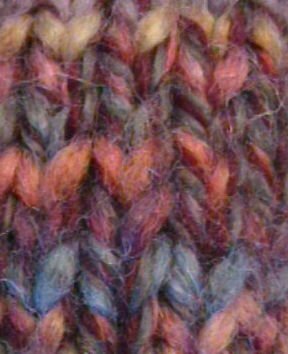
Knitting Etymology From Middle English knyttynge, equivalent to knit + -ing. The word originates from Old English cnyttan, related to tying or knotting, reflecting the intertwined loops in knitted fabric. Pronunciation IPA: /ˈnɪtɪŋ/ (stressed on the first syllable: KNIT-ting). It rhymes with words like “sitting” or “hitting.” Parts of Speech and Morphology Verb: Knitting is the present participle and gerund form of the verb knit, which means to form fabric by interlocking loops of yarn using needles or a machine. As a gerund, it functions as a noun (e.g., “Knitting is relaxing”). Noun: Knitting (countable and uncountable; plural: knittings) is a non-countable noun in most uses, referring to the activity or the resulting fabric. In British English rail transport slang, it informally means overhead electrification wires (OHLE). Grammar notes: As a gerund, it can take a direct object (e.g., “knitting a scarf”). It’s versatile in tenses: “She is knitting” (present continuous). Meanings The process of creating knitted fabric by looping yarn with needles. The fabric or garment produced by knitting. (UK informal) Overhead wires for train electrification. Synonyms and Antonyms Synonyms: weaving (for fabric creation), crocheting (similar craft). Antonyms: unravelling, disentangling. Common combinations: knitting needles, knitting pattern, knitting wool/yarn, finger knitting (a simple technique). Examples Simple: I like knitting. Medium: My grandmother taught me knitting last winter. Complex: Although she had never tried it before, Sarah spent the entire afternoon knitting a colorful scarf for her brother’s birthday, using a pattern from an old family book. Short Interesting Facts Knitting dates back to the 3rd century AD, with evidence from Egypt. During World War II, civilians knitted socks and scarves for soldiers, turning it into a symbol of patriotism. Interestingly, “knitting” shares roots with “knot,” highlighting the craft’s loop-based technique. In modern culture, it’s featured in shows like Stranger Things, where characters knit during tense scenes for calm. Cultural or Contextual Features Knitting is a global hobby, especially popular in Scandinavian countries for warm woolens and in the UK for community “knit and natter” groups. It’s therapeutic, reducing stress via repetitive motions, and has inspired movements like “yarn bombing,” where knitters decorate public spaces with colorful installations. Tips to Learn It Easier Associate it with visuals: Imagine needles clicking together like tiny knots. Practice by saying: “Knit-ting” while mimicking the motion. Use mnemonics: “Knitting needs intricate twisting.” Listen to audio pronunciations on apps like Forvo or YouTube tutorials. Mini-Tasks for Students Make a sentence: Write one using “knitting” as a noun. Find a synonym: List two words similar to “knitting” in the craft sense. Create a combination: Invent a phrase like “summer knitting project.” Reflect: Describe a cultural use of knitting from your experience or research.