“`html Meaning Fortnight is a noun referring to a period of two weeks. It is commonly used in **UK, Ireland, and Commonwealth** countries. In North America, it is considered dated. Pronunciation and Stress Modern English pronunciation (IPA): RP: /ˈfɔːt.naɪt/ (stress on first syllable). General American: /ˈfɔɹt.naɪt/. ‘Night’ rhymes with ‘light’ or ‘fight’. Morphology Derived from Old English roots: fēowertīene (fourteen) + niht (nights). This reflects the Anglo-Saxon practice of counting by nights. Grammar Notes Plural: fortnights. Usage: Typically preceded by a number or preposition (e.g., “every fortnight“). Interesting Facts The word survives in modern English despite its complexity. Used in specialized contexts like finance (“fortnightly paychecks”) and insurance. Learning Tips Associate “fortnight” with “two weeks.” Use repetition in written exercises: Write sentences comparing 1/2/3 fortnights. Cultural Context Common in Britishcorporates, agricultural terms (“fortnightly shearing”), and traditional almanacs. Examples Simple: “Her vacation lasts two fortnights.” Medium: “The insurance policy runs for twelve fortnights. Complex: “Compound interest rates per fortnight are calculated mathematically.” Synonyms, Antonyms & Combinations Closest synonym: Two weeks. No direct antonym. Common collocations: every fortnight, pay fortnightly. Quick Task 1) Write a sentence using fortnight with “every”. 2) Find a word combining “month” with “half”. 3) Compare “fortnight” with “lunar cycle” (29.5 days). “` Words used: 306

Meaning and pronunciation of the word ‘February’
“`html Word: February Morphology: February is primarily a noun (also a proper noun for the month). It functions as a common noun for the calendar month and, less commonly, as a female given name. Pronunciation (Help Guide): Stress: The main stress is on the first syllable: FE-b(r)y-u-ary. First Vowel: The ‘e’ in the first syllable sounds like the ‘e’ in ‘get’ or ‘bet’: /ɛ/ (as in pet or best). R Sound: The r is pronounced in all positions. Second Syllable: Can sound like ber (like ‘her’ without the ‘h’) or byoo (like ‘beaut’ without the ‘t’). Both are standard: /ˈfɛbˌɹi/ (more common in some regions – “Feb-ree-ary”) /ˈfɛbˌju/ (common in others – “Feb-yoo-ary”) Third & Fourth Syllables: Always /ju/ (like cue) and /əri/ (like -ery): fYU-er-ee. Grammar Notes: Can be singular (The meeting is in February.) or plural (Februaries with 28 days are shorter.), though “Februarys” is rarer. Capitalized when used as the name of the month, lowercase when meaning the period in general. Synonyms: None direct, but related terms are months, calendar, time. Meaning: February is the second month of the year in the Gregorian, Julian, and Roman calendars. It is the shortest month, with 28 days in a common year and 29 days in a leap year. It directly follows January and precedes March. Interesting Facts: The name comes from the ancient Roman festival of Februa (meaning “purification”). In the original Roman calendar, February was the last month of the year. The leap day (Feb 29th) was added to February because it was historically the end of the year for intercalation (adding extra days). The ‘y’ in ‘February’ was likely added to make the year’s length odd (a number Romans considered holy), replacing an earlier month name meaning “mud month.” How to Learn It Easily: Link to Purification: Remember the Februa festival means purification. Link to “Fever”: See the root februus (“purging”) connects fever and February. Fever punishes, purification cleanses. Mnemonic: “After January cold, we need to clear out February.” Examples: Simple: There are 28 days in February. Middle: The first leap year day will be in February. Complex: Historically, February’s significance as the month of last rites and purification explains why it held unique calendar features. Common Word Combinations: Leap year February Days in February February 29th Last month of the year (historically) Mini-Tasks: Make a Sentence: Use February correctly in a sentence about the weather. Find a Synonym: What word is close in meaning to a synonym for “February”? (Hint: Should be unrelated to months). Practice Pronunciation: Sound out February. What sound does the r make in the second syllable?
Meaning and pronunciation of the word ‘fall’
“`html Word Analysis: Fall-2 Meaning: Primarily refers to the Albanian noun fall (masc.), meaning “fortune-telling” or “omen”. It originates from the practice of interpreting signs or dreams. Pronunciation: IPA: /faɫ/ Morphology: Noun, masculine gender. Inflection: Plural = falle; Def. Sing = falli; Def. Plural = fallet. Grammar Notes: Used with “i” (in) to form phrases like “i fall” (in fate/when fate). Related to Turkish fal via Ottoman influence. Cultural Context: Connected to mystical traditions in Albanian culture, often involving dream interpretation or celestial omens. In literature, can describe characters seeking guidance through supernatural beliefs. Synonyms & Antonyms: Synonyms: e-nigmat (“secrets”), parashtrime (“divinations”), thjeshtime (“interpretations”). Antonyms: realitet (“reality”), realizëm (“certainty”), realizata (“facts”). Common Combinations: i parashtrime te yenjave (“reading the stars”), fenomen i fallit (“omen phenomenon”). Example Sentences: Simple: Përparim i parashikuar në buildengjjen e thytave veretare. (“Omens given to see the weather.”) Medium: Deri në fund desh e qiye të reinforcing idealizimit të rritjes shenjaorenge. (“Up to now she kept repeating the auguries about growth.”) Complex: Bota mbeturi në dush për rrjedhën e historikisë, që mbi tërhiqjem parashtrimet e fajtit. (“The world remained stunned by the course of history, whose tragedies demanded fortune-telling.”) Learning Tips: Connect to Turkish fal (ɧ ŋ y m) and Arabic faʔl (ɧ ʼn ɧ) for root recognition. Associate with cultural symbols like dream catchers or star charts. Mini-Task: Write a sentence: “Use fall in a sentence about predicting the weather.” Find a synonym: “What word means the opposite of fall?”. “
Meaning and pronunciation of the word ‘equinox’
“`html Meaning of “Equinox” An equinox is one of two specific times each year (around March 20th and September 22nd/23rd) when the length of daytime and nighttime are nearly equal everywhere on Earth. This happens when the sun crosses the celestial equator, marking the astronomical beginnings of spring and autumn in opposite hemispheres. Figuratively, it can describe any situation where two opposing elements are balanced. Pronunciation (IPA & Stress) Singular: /ˈɛkwɪnɒks/ or /ˈiː-kɪnɒks/ (UK); /ˈɛkwənɑks/ or /ˈiː-kənɑks/ (US/Canada) – Stress on the first syllable (EHK or EK/ EK-ee): EH-kwih-nox. Plural (Common): /ɪˈkswɪnɒksɪz/ or /ɪˈkswiːnɒksɪz/ – Stress shifts to second syllable. Plural (Rare/Latin): /ˌɛkwɪˈnɒktiːz/ or /ˌiː-kɪˈnɒk-tiz/ – Stress on third syllable. Morphology & Grammar Notes Roots: Comes from Latin aequus (equal) + nox (night). Strictly: A collective noun (no distinct singular/plural in meaning for the event). Grammar Note: The rare plural “equinoctes” treats it as a Latin word. Part of Speech: Noun. Interesting Facts Celestial Bands: The word also refers to the celestial equator. Obsolete Myth: Historians found “equinoctial gales” (strong winds) weren’t actually more common then. Old English Lost: The original Old English word “efenniht” (evening-night) was replaced by the Latin-derived term. Learning Tips Mnemonic: “EQUiNOX” = EQUal Night. Visualize: Imagine the sun directly over Earth’s equator. Context: Relate it to seasons, daylight changes, or balance in life. Examples Simple: “Spring brings the vernal equinox.” (Learns seasonal timing.) Medium: “At the September equinox, day and night are almost equal across the globe.” Complex: “The equinox marks a significant celestial alignment, influencing climate patterns and cultural celebrations worldwide.” Synonyms, Antonyms & Combinations Synonyms: Evennight (rare), centre of year (figurative). Antonym: Solstice (maximum daylight/night). Common Combinations: Vernal equinox, autumnal equinox, precession of the equinoxes, celestial equator. Mini-Tasks Construct: Write a sentence using “equinox” and “season”. Match:
Meaning and pronunciation of the word ‘during’
“`html Meaning Preposition: At, in, or throughout the time of; during the course of. (Examples: during the night, during the meeting) Verb (Rare, archaic): To endure; to last for a period. Correct Pronunciation & Stress Preposition: /ˈdjʊə.ɹɪŋ/ or /ˈdʒʊəɹɪŋ/ (stress on first syllable). Common variations exist due to regional accents: (Standard) /ˈdjʊə.ɹɪŋ/ (UK English, showing /j/ sound) (Yod-coalescence) /ˈdʒʊəɹɪŋ/ (Common in US English, combining /j/ + /ʊ/) (Yod-dropping) /ˈd(j)ʊəɹɪŋ/ or /ˈd(j)ɜɹɪŋ/ (More formal or specific accents) (Verb) Rhymes with ‘curing’ or ‘advising’, unstressed final syllable. Basic Morphology Derived from the Middle English present participle durynge, itself from duren (to last). Literally means “lasting” or “enduring”. Constructed from: dure (root: to last/endure) + -ing (forming the participle) Often mispelled as dureing (archaic) or duringh in early texts. Grammar Notes Part of Speech: Primarily a preposition. Functions to indicate time. Used with a noun phrase: during the summer, during his absence. Always introduces the time period. Verb Form: Very rare. Was the present participle/gerund of dure (“to last”) and appears in obsolete texts. Interesting Facts Shares roots with “duration” and “endure” – all stem from the concept of lasting. Older spellings were highly variable: durynge, durinde, durand, durende. Shows significant dialectal pronunciation variation in English due to yod-coalescence/dropping. Tips for Learning Visualize the word as “du-ring”: something that is happening obsessively, persistently throughout a period. Link it to “dure” (archaic/legendary) & “duration”: during implies something existing over time. Mnemonic: “DURING” sounds like “dure” + “ring”, like a bell ringing constantly during an event. Examples Simple: The store is closed during the holidays. Medium: The project was completed successfully during the company’s annual retreat. Complex: During the intense debate, the professor remained calm and provided insightful analysis on both sides. Related Words Synonyms: throughout, all through, in the course of, while (as a prep.), for the duration of. Antonyms: before, after, until, outside of. Common Word Combinations: during the day/night/week/month/year/winter/summer, during one’s lifetime, during the meeting/lecture/festival, during peak hours, during construction, during the 20th century. Mini-Tasks Create a Sentence: Write a sentence using “during” to describe an event that happened last weekend. Find a Synonym: What word could replace “during” in: “We had a great time during our trip to Paris.” Grammar Check: Is “during” correctly used in: “The concert will be fantastic outside the stadium”? If not, why? Pronunciation: Look up the word “during” in a dictionary app. Does its pronunciation match /ˈdjʊə.ɹɪŋ/ or /ˈdʒʊəɹɪŋ/?

Meaning and pronunciation of the word ‘December’
Meaning December is the twelfth month of the Gregorian calendar, positioned between November and January. Historically, it was originally the tenth month in the ancient Roman calendar system. Pronunciation & Stress -(Received Pronunciation): /dɪˈsɛmbə/ DESS-uhm-buhr, stress on second syllable -(American English): /dɪˈsɛm.bɚ/ DESS-uhm-buhr, stress on second syllable Etymology & Origin From Latin decem (meaning “ten”) Greek/Latin suffix -ber (from -bris, an adjectival ending) Originally the tenth month in the Roman calendar where their year began in March Morphological Features Singular and plural: December / Decembers (referring to the time period between Christmas and New Year) Adjective form: December (e.g., “December snow”) Abbreviations: Dec., Dec, Dc Grammar Notes Functions as a proper noun (month name) but can be used adjectivally (“December 25th” vs “December holidays”) In Latin, month names could be used as adjectives modifying other nouns (e.g., “month of December”) Intersting Cultural Features The original Roman calendar had 10 months with winter not assigned to any month When January and February were added to the calendar, December remained as the tenth month name It’s associated with winter holidays (Christmas, Hanukkah, Kwanzaa) in many Western cultures A common surname, particularly among White (57.22%) and Black/African American (32.09%) individuals Learning Tips Associate with “dec-” meaning ten (like decade = 10 years, decimal = base-10) Mnemonic: December is the month when you count down the last ten days of the year Visualize the December calendar page to reinforce spelling Example Sentences Simple: December is the month after November. Medium: Many people decorate their homes with Christmas trees in early December. Complex: Although December was originally the tenth month in the Roman calendar, its position as the twelfth month has persisted through calendar reforms across centuries. Word Combinations December holidays Early December Mid-December End of December December birthday Mini Exercises 1. Create a sentence using “mid-December” 2. Find a synonym for “December holiday”: (Answer: Christmas) 3. Identify the root word in: decade, decimal, December 4. Pronounce these words and identify stress position: December, decision, December_SS_
Meaning and pronunciation of the word ‘dawn’
“`html Meaning of ‘dawn’ ‘Dawn’ primarily refers to the first appearance of light in the morning before the sun rises, marking the beginning of the day. Metaphorically, it signifies anything that begins to appear or become clear. Pronunciation & Stress Stress: Single syllable word – stressed on the only syllable. Received Pronunciation (UK): /dɔːn/ General American (US): /doʊn/ OR (in cot-caught merger areas) /dɑn/ General Australian: /doːn/ Morphology Part of Speech: Can function as both a noun and a verb. Derived from: Verb Origin: Back-formation from the noun “dawning”. Noun Origin: Old English “dagenne” meaning “first light”, related to “day”. Grammar Notes Noun: Can be countable (e.g., “The dawn looks cloudy“) or uncountable (e.g., “At dawn, the air was cool“). Plural is “dawns”. Verb: Intransitive verb (does not take a direct object). Simple Present: 3rd person singular = dawns Present Participle: dawning Simple Past / Past Participle: dawned Key Definitions Noun (Uncountable) The period of twilight before sunrise. Synonyms: daybreak, day-dawn, sunrise. (Countable) The rising of the sun itself. (Uncountable) The earliest phase of something. Synonym: beginning. Verb (Intransitive) To begin to brighten. Example: “The sky dawned pink.“ (Figurative) To begin to appear or become obvious. Synonym: glimpse. (Figurative) To begin to promise or expand. Related Terms & Facts Antonym: dusk Hypernym: twilight Hyponyms of Noun: civil dawn, nautical dawn, astronomical dawn Derivatives: dawning Anagrams: wand, WAND Proofreading Tip: “Dawn” rhymes with “awn” and “drawn”, but not “-on” words like “done”. Examples Simple: “The bird sang at dawn.” Medium: “The idea began to dawn on her after hours of thought.” Complex: “The dawn of a new technology represents both opportunity and uncertainty for the entire industry.” Word Combinations Common Collocations: break of dawn, morning dawn, at dawn, dawn on someone, dawn upon someone, civil dawn, nautical dawn Learning Tips Visualize the sun rising step-by-step: twilight (dawn) → sun appears (sunrise) → full day. Remember “dawn” always starts the morning light; its opposite is “dusk” ending the day. Associate with phrases like “Break of dawn” or “First light.” Compare with “nightfall” (opposite of dawn). Mini-Tasks for Practice Construct a Sentence: Use “dawn” as an uncountable noun in a sentence about nature. Synonym Search: Find a synonym for “dawn” meaning “early stages” (hint: beginning, start). Figurative Usage: Write a sentence where “dawn” means an idea becoming obvious. Part of Speech: Identify and correct the error: “The painted sky dawned beautifully.” “
Meaning and pronunciation of the word ‘by the time’
Understanding “by the time” Key Meaning: “By the time” is a time conjunction indicating that an event will be completed, reached, or achieved before some future point. It emphasizes that a situation exists up to the moment a future event occurs. Pronunciation IPA: /baɪ ðə taɪm/Stress: On “time” (second word). The first word “by” is reduced to /baɪ/. Morphology A multi-word temporal conjunction (preposition-like phrase) consisting of: – “by” (preposition) – “the” (definite article) – “time” (noun) It functions as a fixed unit in conditional statements about future completion. Grammar Notes – Introduces clauses describing future points (e.g., “By the time you arrive…”) – Common verb tense patterns: • Future main clause + present tense in “by the time” clause (“You’ll be tired by the time you reach Paris”). • Past main clause + past tense in “by the time” clause (“He ate dinner by the time I called” = completion before a past action). – Not interchangeable with “when” – implies completion before the future event. Practical Examples Simple: Complete your homework by the time your friends arrive. Medium: You’ll understand the rules of chess by the time the lesson ends. Complex: By the time you finish reading this email, the conference room will have been reserved. Synonyms & Combinations Synonyms: when, once, by the time that Common Combinations: “by the time the [project/movie/news] is finished/post arrives/interview starts” Cultural Context Widely used in UK and US English for deadlines and scheduling. Understands progression toward a future event. Commonly heard in work instructions (“Finish reports by the time management meets”), travel plans (“Wait outside by the time the shuttle arrives”), or parenting (“Eat veggies by the time dinner’s ready”). Learning Tips Verb tense anchor: If the main clause uses future (“will + verb”), use present tense after “by the time”. Place it strategically: Start sentences with “By the time…” for dramatic effect (“By the time you see this reply, I’ll be in the air”). Visualize timelines: Picture events stopping at a deadline point (🔥 → [event] → [deadline]) Mini-Task 1. Make a sentence: Use “by the time” with present tense in the clause (“Do your chores by the time ______“). 2. Find a synonym for the given sentence: “By the time coffee is poured, she is already waiting” → replace “by the time” with an alternative conjunction.
Meaning and pronunciation of the word ‘autumn’
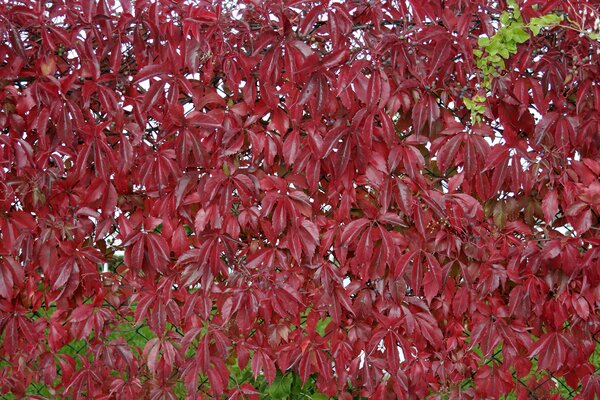
“`html Word: autumn Pronunciation: /ˈɔː.təm/ (UK), /ˈɑ.təm/ (US) – Stress on the first syllable. Meaning 1. Noun: The season between summer and winter, characterized by falling leaves and harvest time. It typically falls in September, October, and November in the Northern Hemisphere and March, April, and May in the Southern Hemisphere. 2. Noun: The period or stage in life when energy or activity levels start to decline. 3. Noun (fashion): A person with dark hair and warm skin tone, suited for particular clothing colours. 4. Verb: To change colour and prepare for falling (like leaves); to pass the season in a place. Morphology & Grammar Notes Noun Forms: Plural is autumns. Verb Forms: Base (infinitive): autumn Present: autumn, autumn + s (for he/she/it), autumn + es Present Participle: autumming Simple Past: autumned, autumned (both used) Present Participle: autumned, autumned Capitalization: Like other seasons (spring, summer, winter), ‘autumn’ is not capitalized unless starting a sentence or part of a specific name. Key Information Synonyms: fall (N.America), harvest (UK), decline (figuratively), back end (UK). Antonyms: spring, summer. Common Collocations: autumn leaves, autumn weather, autumn holiday, autumn mood, autumn festivals. Learning Tips & Interesting Facts Mnemonic: Notice the ‘on’ ending, reminding you of ONe of the seasons. US vs. UK: In the US/Canada, ‘fall’ is the common term, while ‘autumn’ is more formal. Outside North America, ‘autumn’ is standard. Etyymology: Comes from Latin ‘autumnus’, via French (automne), entering English around the 14th century. Figurative Use: Refers to the decline phase later in life or in an organization. Examples Simple: The autumn leaves are red and gold. Medium: The poet used vivid colours to describe the changing autumn landscape. Complex: Just as autumn leaves fall naturally, the aging professor knew his time teaching was entering its autumn. Mini-Tasks Argument: Which season does ‘autumn’ usually start in the Northern Hemisphere? (Answer: September) Grammar: Which word is the verb form of ‘autumn’? (Picture, Autumn, autumn, autumned) Memory: Think of another season that ends with the sound ‘-mer’. (Answer: summer) Use it: Make a sentence with ‘autumn’ describing the weather.
Meaning and pronunciation of the word ‘August’
“`html Word: August Meaning: The word “august” has two primary meanings: Adjective: Dignified, majestic, or inspiring awe. Proper Noun (Month): The eighth month of the year, between July and September. Proper Noun (Name): A male given name and surname. Pronunciation (IPA & Stress): (Month): /ˈɔː.ɡʌst/ (Received Pronunciation). Stress on the first syllable. (Month): /ˈɔː.ɡəst/ or /ˈɑː.ɡəst/ (General American). Stress on the first syllable. (Name): /ˈɔː.ɡʌst/ (General American & RP). Stress on the first syllable. Morphology (Word Parts): Root: Latin augustus (an honorific title meaning “venerable” or “majestic”, given to Caesar). Possible Origins: Either from Latin augere (to increase, amplify, build up) implying growth/power, or linked to avis (bird) + garrīre (to talk/chatter), possibly relating to bird omens. Related Forms: The month name comes directly from the title; the surname and given name developed later. Grammar Notes: As an adjective (meaning majestic), its historical and often poetic use implies respect or awe-worthy dignity, contrasting with the more negative “hideous”. As a proper noun, it functions as a specific name (month or person) and is capitalized. With a gymnasium (“Smith”), it could mean the bare, beige uniform worn by gymnasts, derived from something “plain” or “unadorned” (not directly from Latin augustus). Interesting Facts: The month was renamed in 8 BC to honor Emperor Augustus Caesar. Its original name was Sextilis (from Latin sex, meaning six), as it was the sixth month in the early Roman calendar. Human names and places, like Austin (city, Texas), can be indirectly derived from theramuggestion of the name Augustine. Tips for Learning: Use mnemonics: Associate the adjective with “majesty” (M-A-J-E-S-T-Y -> M-A-J-U-G-U-St). Distinguish meanings: Remember “Month” spelled with ‘u’, “Adjective” spelled with ‘i’. Context is key: If capitalized or referring to time of year, it’s the month. If describing someone’s demeanor, it’s an adjective. If a person’s name, it’s a proper noun. Examples: (Adjective – Simple): The king looked very august in his robes. (Adjective – Medium): The ancient temple stood in majestic silence, a truly august sight. (Adjective – Complex): Despite her immense wealth and political power, her august bearing often masked a deep weariness and loneliness. (Month – Simple): We’re planning a trip in August. (Name – Simple): August is a common name in Germany. Word Combinations: Adjective: august ceremony, august presence, august personality, state august. Month: month of August, Mid-August, the height of August. Name: John August, Augustus Caesar. Mini-Tasks for Learners: Sentence Challenge: Write a sentence using august as an adjective. (e.g., The judge’s voice became more…) Focused Identification: In these sentences, underline where august is a month and where it’s a name: “We visited grandma in August.” “August came back from his trip.” Synonym Search: Find synonyms for the adjective meaning “majestic” in this list: hideous, dignified, grotesque, regal, ugly. Cultural Context: In English, the adjective august is often used in formal, literary, or slightly old-fashioned speech to convey profound respect. You might see it describing monarchs, religious figures, or places. The month name is universally recognized in Western calendars. As a name, it’s widely used in Germanic languages (German, Swedish, Danish, Norwegian, Dutch, etc.), often considered a classic or traditional masculine name. It’s less common as a first name in English-speaking countries but present. “