English Word: Homeschooling
Meaning
Homeschooling refers to the practice of educating children at home by parents or tutors, rather than sending them to a traditional school. It is an alternative form of education that emphasizes personalized learning.
Etymology
Derived from home + schooling, the term emerged in the late 20th century as home-based education gained recognition, particularly in the United States.
Pronunciation
In American English: /ˈhoʊmˌskuːlɪŋ/ (HOHM-skool-ing), with primary stress on the first syllable and secondary on the third.
In British English: /ˈhəʊmˌskuːlɪŋ/, similar but with a more rounded vowel in “home.”
Morphology
Homeschooling is a compound noun formed by combining the noun home (place of residence) and the gerund schooling (the act of educating). It can be hyphenated as home-schooling in some styles, but the solid form is most common today. Related forms include the verb homeschool (e.g., to homeschool a child) and the adjective homeschooled.
Grammar Notes
Homeschooling is an uncountable noun, so it does not take an article like “a” or plural form. Use it with verbs like “practice,” “choose,” or “engage in.” It functions as a gerund in phrases like “the practice of homeschooling.”
Short Interesting Facts
The modern homeschooling movement began in the 1970s, led by educators like John Holt, who advocated for child-led learning. Today, over 3 million children in the U.S. are homeschooled, a number that surged during the COVID-19 pandemic due to school closures. Interestingly, homeschooled students often score higher on standardized tests than their peers.
Tips on How to Learn It Easier
Break it down: Visualize a “home” where “schooling” happens. Associate it with real-life examples, like families during lockdowns. Practice saying it aloud, emphasizing the stress: HOME-schooling. Use flashcards linking the word to images of kids studying at a kitchen table.
Cultural or Contextual Features
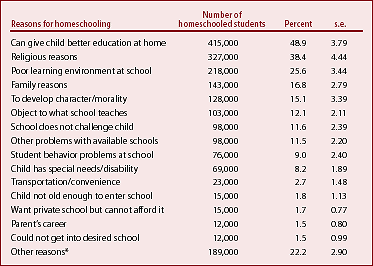
Homeschooling is legally recognized in most countries but varies by region—in the U.S., it’s protected under parental rights, while some European nations require oversight. It’s popular among families seeking religious, philosophical, or special needs-based education. Culturally, it challenges traditional schooling norms and promotes family involvement in learning.
Examples of Sentences
- Simple: We started homeschooling our son last year.
- Medium: Homeschooling offers flexibility for families who travel frequently.
- Complex: Although homeschooling requires significant parental commitment and resources, it allows children to learn at their own pace and explore interests that traditional classrooms might overlook.
Synonyms, Antonyms, and Common Word Combinations
Synonyms: Home education, home schooling, distance learning (in some contexts).
Antonyms: Public schooling, traditional education, formal schooling.
Common Combinations: Legal homeschooling, begin homeschooling, homeschooling curriculum, benefits of homeschooling.
Mini-Tasks for the Student
- Make a sentence: Write a sentence about why a family might choose homeschooling.
- Find a synonym: List two synonyms for “homeschooling” and use one in a new sentence.
- Explore related terms: Choose one related term (e.g., “homeschooled”) and create a short paragraph describing its use.
- Pronunciation practice: Record yourself saying “homeschooling” three times, focusing on the stress, and compare to an online audio source.