Meaning
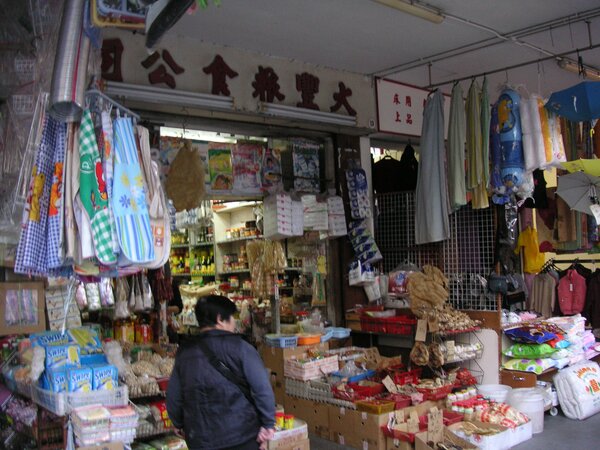
A grocer is a person who sells food and household items, typically from a small retail shop or market. This term primarily refers to someone who operates a grocery store, dealing in everyday essentials like fruits, vegetables, canned goods, and cleaning supplies.
Etymology
The word “grocer” comes from Old French grossier, meaning “wholesaler,” which relates to “gross” as in buying or selling in large quantities. It evolved in English during the 15th century to describe retail dealers in groceries.
Pronunciation
In Received Pronunciation (British English), it’s pronounced /ˈɡɹəʊ.sə/ with stress on the first syllable: GROH-suh. In General American English, it’s /ˈɡɹoʊ.sər/, stressed as GROH-ser. A less common variant is /ˈɡɹoʊ.ʃər/. It rhymes with words like “closer” and is a homophone of “grosser.”
Morphology and Grammar Notes
“Grocer” is primarily a countable noun, pluralized as “grocers.” It functions as a common noun referring to a profession or role. Rarely, it acts as a verb meaning “to sell groceries,” with forms like grocers (third-person present), grocering (present participle), and grocered (past). No irregular forms exist, making it straightforward for learners.
Interesting Facts
Historically, grocers sold spices and bulk goods measured by the “gross” (144 items), linking back to its wholesale roots. In modern times, the role has shifted with supermarkets, but independent grocers remain vital in many communities for fresh, local produce.
Tips for Learning
Associate “grocer” with “grocery store” to remember its meaning—visualize a shopkeeper stocking shelves. Practice pronunciation by breaking it into syllables: gro-cer. Link it to “gross” for etymology recall, as both involve large quantities of goods.
Cultural and Contextual Features
In British English, a grocer often evokes a traditional corner shop, like those in corner-store culture. In the U.S., it’s more associated with small markets or chains like “the local grocer.” During holidays, grocers play a key role in community traditions, such as providing ingredients for festive meals. In literature, characters like the grocer in Charles Dickens’ works highlight everyday working-class life.
Examples
- Simple: The grocer sells fresh apples.
- Medium: My neighbor works as a grocer and always recommends the best fruits.
- Complex: Although large supermarkets dominate the market, the family-run grocer down the street continues to thrive by offering organic produce and personalized service to loyal customers.
Synonyms, Antonyms, and Common Combinations
Synonyms: shopkeeper, retailer, merchant (for food items).
Antonyms: consumer, buyer (as opposites in the transaction).
Common Combinations: local grocer, corner grocer, independent grocer; grocery store, grocer’s shop; related terms include grocery (the store or items sold).
Mini-Tasks
- Make a sentence: Create one using “grocer” in a shopping context.
- Find a synonym: List two words similar to “grocer” and explain why they fit.
- Practice pronunciation: Record yourself saying “The grocer has fresh bread” and compare to online audio.
- Explore context: Describe a typical day for a grocer in your country.