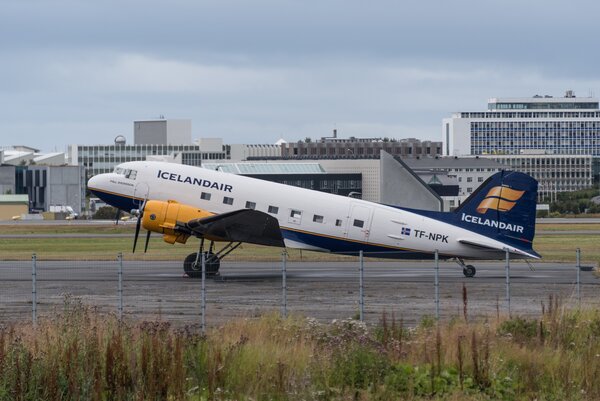
English: Aircraft
Etymology
From air + -craft, where “craft” originally referred to a skill or vessel. This compound word emerged in the early 20th century with the rise of aviation.
Pronunciation
In Received Pronunciation (UK): /ˈɛə.kɹɑːft/ or /ˈɛː.kɹɑːft/, with primary stress on the first syllable.
In General American (US): /ˈɛəɹ.kɹæft/ or /ˈɛːɹ.kɹæft/, stress on the first syllable.
The word rhymes with words like “craft” but elongated by the “air” prefix. To practice, break it down: “AIR” (like fresh air) + “CRAFT” (like handmade craft).
Meaning
Aircraft refers to any machine or vehicle designed for flight in the Earth’s atmosphere, relying on aerodynamic forces like lift or buoyancy. It excludes spacecraft or balloons in common usage. Hypernym: vehicle. Hyponyms: airplane, helicopter, glider, drone.
Morphology and Grammar Notes
Aircraft is a compound noun formed from “air” (the atmosphere) and “craft” (a device or skill). It functions as a mass noun, with the plural remaining “aircraft” (e.g., “five aircraft”). The nonstandard plural “aircrafts” is sometimes used informally or by non-native speakers but is considered incorrect in formal English. No verb form exists; related verbs might be “to fly an aircraft.”
Usage Notes
Use “aircraft” for both singular and plural to avoid errors. In military or technical contexts, it’s often specified as “fixed-wing aircraft” or “rotary-wing aircraft.”
Short Interesting Facts
The term “aircraft” was coined around 1905, just before the Wright brothers’ first powered flight in 1903. The oldest surviving aircraft, a 1909 Blériot XI, symbolizes early aviation history. Fun fact: During World War II, over 300,000 aircraft were produced, revolutionizing warfare and travel.
Tips on How to Learn It Easier
Associate “aircraft” with “air” for flying and “craft” for building—imagine crafting something that conquers the air. Practice by visualizing airplanes at an airport. Use mnemonics: “Air + craft = flying craft.” Listen to aviation podcasts or watch flight simulations to hear it in context.
Cultural or Contextual Features
In Western culture, aircraft evoke adventure and innovation, seen in films like Top Gun or air shows worldwide. Contextually, it’s vital in travel (commercial aircraft), defense (fighter aircraft), and emergencies (aircraft carriers). Globally, the aviation industry supports over 65 million jobs and connects cultures through air travel.
Examples of Sentences
– Simple: The aircraft flew high in the sky.
– Medium: Passengers boarded the large commercial aircraft at the airport.
– Complex: Although the weather was stormy, the skilled pilot maneuvered the military aircraft safely through the turbulence, landing without incident.
Synonyms, Antonyms, and Common Word Combinations
– Synonyms: airplane (US), aeroplane (UK), plane (informal), flying machine.
– Antonyms: Ground vehicle, submarine (for water), spacecraft (for space).
– Common Combinations: Fighter aircraft, passenger aircraft, unmanned aircraft (drone), light aircraft.
Mini-Tasks for the Student
- Make a sentence: Create your own sentence using “aircraft” in a travel context.
- Find a synonym: List two synonyms for “aircraft” and explain when you’d use one over the other.
- Grammar practice: Write the plural form of “The aircraft is ready” and explain why it doesn’t change.
- Vocabulary expansion: Research one type of aircraft (e.g., helicopter) and describe it in 2-3 sentences.
See also: Aeroplane (UK spelling), airplane (US spelling). For a thesaurus, explore terms under aviation or fixed-wing vehicles.