English: Photo Etymology Clipping of photograph, from Greek phōs (light) + graphē (drawing). Pronunciation UK: IPA /ˈfəʊ.təʊ/ (stress on first syllable, rhymes with “go toe”). US: IPA /ˈfoʊ.toʊ/ (stress on first syllable, rhymes with “foe toe”). The word is pronounced similarly worldwide, but in some accents, it shortens to /ˈfoʊtoʊ/. Meaning Noun: An informal term for a photograph, a digital image, or a photo finish in racing. It can also refer to photography as an activity. Verb: To take a photograph of something or someone. Morphology and Grammar Notes Plural: photos. Verb forms: photos (third person), photoing (present participle), photoed (past). Informal and versatile; often used in everyday speech rather than formal writing. As a noun, it’s countable; as a verb, it’s transitive. Short Interesting Facts The word “photo” entered English in the mid-19th century alongside the invention of photography by pioneers like Daguerre. It’s a classic example of a clipped word, shortening “photograph” for convenience. Fun fact: The first photographs took hours to expose, unlike today’s instant snaps! Tips to Learn It Easier Associate it with “phone” for similar sound: “Photo on my phone.” Use mnemonics: “Photo” from “light” (phos) – light captures moments. Practice by taking actual photos and labeling them in sentences. Cultural or Contextual Features In modern culture, “photo” is ubiquitous in social media (e.g., Instagram selfies) and journalism. In sports, a “photo finish” determines close race winners. Culturally, it evokes memories and privacy debates, like “photo ops” for politicians. Examples Simple: I took a photo of the sunset. Medium: She keeps family photos in her wallet for nostalgia. Complex: Although technology has advanced, many people still prefer printed photos over digital ones because they feel more tangible and less prone to deletion. Synonyms, Antonyms, and Common Combinations Synonyms (noun): picture, snapshot, image, shot. Synonyms (verb): snap, shoot, capture. Antonyms: (none direct; opposites like “delete” or “blur” in context). Common combinations: photo shoot, family photo, take a photo, photo album, black-and-white photo, selfie photo. Mini-Tasks for Practice Make a sentence: Describe your favorite photo and why. Find a synonym: Replace “photo” in “I lost my photo” with another word. Word combo: Use “photo finish” in a racing context sentence. Verb practice: Write about photoing something today. Related Terms Photographer, photogenic, photo opportunity, snapshot.
Meaning and pronunciation of the word ‘amateur’
Amateur Meaning: As a noun, “amateur” refers to a person who engages in an activity, such as a sport or art, for pleasure rather than professionally, or someone lacking skill. As an adjective, it describes something non-professional, often implying a lack of expertise or polish, like “amateur work.” Etymology: Borrowed from French amateur, from Latin amātor (“lover”), derived from amāre (“to love”). The root connects to words like “amour” (love) and “amorous,” highlighting its origin in passion rather than expertise. Pronunciation: In UK English: /ˈæm.ə.tə/ (AM-uh-ter), with primary stress on the first syllable. In US English: /ˈæm.ə.tʃɚ/ or /ˈæm.ə.tɚ/ (AM-uh-chər or AM-uh-ter), stress on the first syllable. Listen for the schwa (ə) sounds in unstressed syllables for natural flow. Morphology and Grammar Notes: Noun: countable, plural “amateurs.” Adjective: comparative “more amateur,” superlative “most amateur” (informal; often “more amateurish”). No irregular forms. Use as a noun before professions (e.g., “amateur athlete”) or adjective to modify nouns (e.g., “amateur video”). Avoid overusing negatively to prevent seeming dismissive. Short Interesting Facts: Originally neutral or positive, denoting a “lover” of an art, it gained a pejorative sense in the 19th century as professionalism rose. In history, “amateur” scientists like Darwin contributed major discoveries before formal training became standard. Tips to Learn It Easier: Link to “love” via etymology—think “amateur” as someone who loves an activity enough to do it unpaid. Practice by contrasting with “professional”: amateurs play for fun, pros for pay. Use mnemonic: “A MaTeur loves tea” (relates to casual enjoyment). Cultural or Contextual Features: In sports, “amateur” evokes the Olympic ideal of pure competition (e.g., early Olympics banned pros). Today, it’s common in creative fields like YouTube, where “amateur filmmakers” democratize content. In French-speaking cultures, it retains a romantic connotation as a devoted enthusiast. Examples: Simple: She is an amateur singer. Medium: The amateur detective solved the mystery in the novel. Complex: Despite being an amateur with no formal training, the young violinist captivated the audience with her heartfelt performance at the community recital. Synonyms, Antonyms, and Common Combinations: Synonyms (noun): Hobbyist, dilettante, dabbler. Synonyms (adjective): Non-professional, unskilled, lay. Antonyms: Professional, expert, pro. Common Combinations: Amateur hour (slang for clumsy performance), amateurish (clumsy), amateur sports (non-paid competitions). Mini-Tasks for Practice: Make a sentence: Write one using “amateur” as an adjective in a hobby context. Find a synonym: Replace “amateur” in “amateur photographer” with a synonym and explain why it fits. Contrast it: Describe a situation where an amateur becomes a professional. Word combo: Use “amateur hour” in a humorous sentence about a failed group project.
Meaning and pronunciation of the word ‘photographer’
Photographer Meaning: A photographer is a person who takes photographs, especially as a profession. This role involves capturing images using a camera to document events, people, places, or artistic visions. Etymology The word “photographer” comes from “photograph” plus the suffix “-er,” indicating a person who performs an action. “Photograph” derives from Ancient Greek phōtós (genitive of phôs, meaning “light”) and gráphō (“I write” or “I draw”). Thus, it literally means “one who writes with light.” Pronunciation In Received Pronunciation (British English): /fəˈtɒɡ.rə.fə/ – stress on the second syllable (to-). In General American English: /fəˈtɑː.ɡrə.fɚ/ – also stressed on the second syllable. The “ph” sounds like “f,” and the ending “-er” is pronounced as a schwa sound, like the “a” in “sofa.” Morphology and Grammar Notes “Photographer” is a noun formed by adding the agent suffix “-er” to “photograph,” a verb meaning to take photos. It is countable, so use plural “photographers.” No irregular forms; it follows standard English noun patterns. Gender-neutral, but can specify “female photographer” if needed. Synonyms and Antonyms Synonyms: lensman (informal, dated), lenswoman, photog (slang), tog (British slang), shutterbug (casual). Antonyms: None direct, but opposites in context might be “viewer” or “non-artist” (e.g., someone who only consumes images, not creates them). Common Word Combinations: professional photographer, wildlife photographer, wedding photographer, freelance photographer, amateur photographer. Examples in Sentences Simple: The photographer took a picture of the sunset. Medium: My sister is a talented photographer who specializes in portraits. Complex: Although the weather was rainy, the experienced photographer managed to capture stunning images of the city skyline using advanced equipment. Interesting Facts The term “photographer” emerged in the 1830s alongside the invention of photography by pioneers like Louis Daguerre. Interestingly, early photographers like Julia Margaret Cameron were women who broke gender barriers in the field. Today, photographers use digital tools, but the essence of “drawing with light” remains. Fun fact: The word inspired “rephotograph,” an anagram meaning to photograph again. Cultural or Contextual Features In modern culture, photographers shape our visual world through journalism (war photographers like Robert Capa), fashion (icons like Annie Leibovitz), and social media (Instagram influencers). In non-Western contexts, such as India, “photographer” often refers to studio operators for weddings and festivals, blending art with tradition. Tips to Learn It Easier Break it down: “Photo” (light) + “graph” (write) + “er” (person). Associate it with “photo” apps on your phone. Practice by saying it with stress: pho-TOG-ra-pher. Visualize a camera to remember the “light-writing” origin. Use mnemonics like “A photographer graphs photos with light.” Mini-Tasks for Practice Make a sentence: Describe a photographer you know or imagine in three words. Find a synonym: Replace “photographer” in “The photographer won an award” with a slang term. Word combo: List two jobs related to “photographer,” like “sports photographer.” Reflection: How has photography changed culturally? Share one idea.
Meaning and pronunciation of the word ‘crayons’
English: Crayons Pronunciation: /ˈkreɪ.ɑːnz/ (British English) or /ˈkreɪ.ɑːnz/ (American English). The stress is on the first syllable, with a long ‘a’ sound like in “cray” and a ‘z’ at the end. Part of Speech: Noun (plural form). Meaning: Crayons are small sticks of colored wax or similar material, used for drawing, coloring, or writing on paper and other surfaces. They are popular for children’s art activities due to their bright colors and ease of use. Morphology: “Crayons” is the plural form of “crayon,” derived from the French word crayon, meaning “pencil” or “chalk.” The English plural adds “-s” to the base word “crayon,” following standard regular pluralization rules for nouns ending in consonants. Grammar Notes: As a countable noun, “crayons” is always plural and pairs with plural verbs (e.g., “The crayons are on the table”). It does not change form for gender or case in English. Use “a crayon” for singular. Short Interesting Facts: Crayons were first mass-produced in the early 1900s by companies like Crayola, which introduced the iconic 64-color box in 1958. The word itself entered English in the 17th century from French, originally referring to any drawing tool. Cultural or Contextual Features: Crayons are a staple in elementary school classrooms worldwide, symbolizing childhood creativity. In art therapy, they help express emotions. They’re also used in cultural festivals, like drawing rangoli patterns in India with colored chalk crayons. Examples: Simple: I love crayons. Medium: The kids shared their crayons during art class. Complex: Although professional artists often prefer paints and brushes, many beginners start their creative journeys with a simple box of crayons that sparks imagination and allows for bold, vibrant experimentation on any surface. Synonyms: Colored pencils, wax sticks, pastels (for similar art tools). Antonyms: Erasers (as they remove marks, opposite to creating with crayons); digital pens (modern alternatives to physical crayons). Common Word Combinations: Box of crayons, wax crayons, assorted crayons, broken crayons (in crafts, like making new ones from old). Tips on How to Learn It Easier: Visualize crayons by associating the word with childhood memories—think of the smell of fresh wax and the feel in your hand. Practice spelling by breaking it into “cray-on-s,” linking “cray” to “crazy colors.” Use flashcards with images of crayon drawings to reinforce visual memory. Mini-Tasks for the Student: Make a sentence: Create your own simple sentence using “crayons” and share it with a study partner. Find a synonym: List two art tools similar to crayons and explain why they’re alike. Practice pronunciation: Say “crayons” five times, emphasizing the stress on “cray,” then use it in a full sentence aloud. Explore: Draw a quick picture using only imaginary crayons in your mind—what colors would you choose? French Connection For context, “crayons” in French (pronounced /kʁɛ.jɔ̃/) is the plural of “crayon,” meaning small pencils or drawing instruments. This highlights the word’s French origin, enriching its etymology for language learners.
Meaning and pronunciation of the word ‘plaster’
Plaster Meaning: “Plaster” refers to a soft mixture used for coating walls and ceilings that hardens into a smooth surface (uncountable noun). It also means a medical paste or adhesive bandage applied to the skin for healing (countable or uncountable). As a verb, it means to cover or coat with this substance or to apply it thickly. Pronunciation: In Received Pronunciation (UK), it’s /ˈplɑː.stə/ with stress on the first syllable. In US English, it’s /ˈplæs.tɚ/, rhyming with “master.” The ‘a’ sound varies regionally: long like “ah” in British English, short like “a” in American. Morphology and Grammar Notes: Derived from Middle English “plaster,” from Latin “emplastrum” meaning bandage. Noun: countable (e.g., a plaster for walls) or uncountable (e.g., wall plaster). Plural: plasters. Verb: regular conjugation—plasters, plastering, plastered. No irregular forms; it’s transitive, requiring an object (e.g., plaster the wall). Etymology: From Old English “plaster,” borrowed from late Latin “plastrum,” a shortened form of “emplastrum” (bandage). Reinforced in Middle English via Anglo-Norman “plastre.” The word evolved from medical use to building materials. Short Interesting Facts: Plaster of Paris, a type of gypsum plaster, gets its name from the Montmartre quarries in Paris, France, where it was mined. Ancient Egyptians used plaster for mummies and pyramid interiors over 5,000 years ago. Tips to Learn Easier: Associate “plaster” with “plastic” due to similar Latin roots involving molding. Visualize a band-aid on a cut or a smooth white wall to remember both senses. Practice by describing home repairs or first aid scenarios. Cultural/Contextual Features: In British English, “plaster” commonly means an adhesive bandage (e.g., “put a plaster on it”), while Americans say “Band-Aid.” In construction, it’s key in historic buildings like Victorian homes, where ornate plasterwork is a decorative art form. Examples: Simple: I need a plaster for my cut. Medium: The builders applied fresh plaster to the cracked walls before painting. Complex: After the earthquake damaged the old church, volunteers worked tirelessly to plaster over the fissures, restoring its historic facade to its former glory. Synonyms and Antonyms: Synonyms (noun): Bandage (medical), stucco/render (building). Antonyms (noun): Bare wall (opposite of coated), expose (verb opposite of cover). Common Combinations: Plaster cast (medical mold), sticking plaster (bandage), wall plaster, plastered walls, get plastered (slang for very drunk). Mini-Tasks: Make a sentence: Use “plaster” in a sentence about home improvement. Find a synonym: List two synonyms for “plaster” as a verb. Practice: Translate “The doctor put a plaster on the wound” into your native language, then back to English. Explore: Research one historical use of plaster and share a fun fact. Derived Terms: Plasterboard (drywall), plastered (covered or drunk), plasterer (professional applicator). See Also: Cement, gypsum, bandage.

Meaning and pronunciation of the word ‘marble’
Etymology The word marble comes from Middle English marble or marbre, borrowed from Anglo-Norman and Old French marbre, ultimately from Latin marmor and Ancient Greek mármaros, meaning “gleaming stone.” It displaced the earlier Old English marma, also from Latin. The Greek root may relate to marmáreos, “gleaming,” evoking the stone’s shiny quality. Pronunciation UK: /ˈmɑː.bəl/ (stress on first syllable). US: /ˈmɑr.bəl/ (stress on first syllable, with ‘r’ sound). It rhymes with words like garble. Tip: Practice by saying “mar” like in “car” (US) or “ma” like “far” (UK), followed by “ble” as in “able.” Morphology and Grammar Notes Marble functions as a noun (countable or uncountable), verb (transitive or intransitive), and adjective. As a noun, it’s uncountable for the rock but countable for game pieces (e.g., “a marble”). The plural is marbles for both game balls and statues. Verb forms include marbles (present), marbling (participle), marbled (past). No irregular forms. Derived words: marbling (noun), marmoreal (adjective, meaning marble-like). Meanings Noun (uncountable): A hard, metamorphic rock made from limestone, often white or colored with veins, used in sculpture and building. Hypernym: rock; hyponyms: Carrara marble, Pentelic marble. Noun (countable): A small, round glass or ceramic ball used in children’s games. Noun (plural): Marble statues in archaeology. Verb (transitive): To give something a streaked, marble-like pattern, e.g., in food or paper (synonym: marbleize). Verb (intransitive): To develop such a pattern, especially in meat with fat. Adjective: Made of or resembling marble; figuratively, cold or unfeeling. Synonyms, Antonyms, and Common Combinations Synonyms: Noun (rock) – limestone, stone; (ball) – shooter, taw. Verb – veined, swirl. Adjective – stony, icy. Antonyms: Adjective – warm, soft, emotional. Common combinations: Marble floor, marble statue, play marbles, marbled paper, marbled beef. Examples in Sentences Simple: The floor is marble. Medium: Children played with colorful marbles in the yard. Complex: Although the ancient sculpture had weathered over centuries, its marble surface still gleamed under the museum lights, captivating visitors who admired the artist’s skill. Interesting Facts and Cultural Features Marble has been prized since ancient times; the Greeks quarried it from Paros and Pentelicus for iconic works like the Parthenon. Michelangelo’s David is Carrara marble, symbolizing Renaissance art. The game of marbles dates to Roman times and teaches strategy. In cuisine, “marbled” beef like Wagyu is valued for tenderness due to fat distribution. Fun fact: The word’s “gleaming” origin reflects how polished marble sparkles. Tips to Learn Easier Associate marble with visuals: Imagine a shiny statue for the noun, rolling balls for the game, or swirled cake for the verb. Mnemonics: “Mar-ble” like “marvelous stone that gleams.” Practice by describing your surroundings: “This countertop is marbled.” Listen to pronunciations on apps like Forvo. To differentiate uses, note context: art/building (rock), kids (ball), cooking (verb). Mini-Tasks for Practice Make a sentence using marble as a verb: Describe marbling paint. Find a synonym for “marble” as an adjective and use it in a sentence. List three common phrases with marble (e.g., lose your marbles = go crazy). Create a complex sentence about a cultural marble artifact.
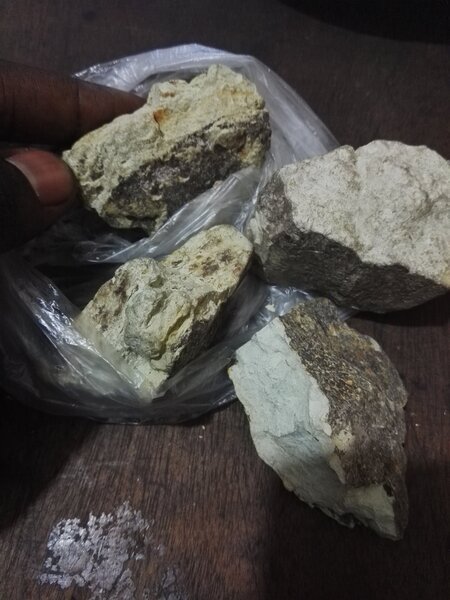
Meaning and pronunciation of the word ‘clay’
Clay Meaning: Clay is a natural, sticky earth material composed mainly of fine particles of minerals like silica and alumina. It becomes soft and moldable when wet and hardens when fired or dried. It is commonly used in pottery, construction, and art. In broader contexts, “clay” can refer to a tennis court surface made from crushed minerals, or metaphorically, the material of the human body in biblical terms. Pronunciation The word “clay” is pronounced as /kleɪ/ in IPA, with stress on the single syllable. It rhymes with words like “day” or “play.” Say it by blending the “kl” consonant sound with a long “a” vowel, ending smoothly. Etymology From Middle English cley or clay, from Old English clǣġ (“clay”). This traces back to Proto-Germanic *klajjaz, from Proto-Indo-European *gley- (“to glue, stick together”). Cognates include Dutch klei and German Klei, reflecting its sticky nature. Related to English “glue” via Latin glūten. Morphology and Grammar Notes “Clay” is primarily a noun, usually uncountable (e.g., “some clay”), but countable in plural form for types (e.g., “various clays”). As a verb, it is transitive: third-person singular clays, present participle claying, past clayed. No irregular forms. It fits into noun phrases like “red clay” or verb uses in industrial contexts. Short Interesting Facts Clay has been used by humans for over 25,000 years, from ancient cave paintings to modern bricks. The term relates to “clog” due to its sticky quality, and in folklore, clay symbolizes the earth’s fertility. Interestingly, the smallest geological particles (under 3.9 microns) are called “clay” on the Wentworth scale. Tips to Learn It Easier Associate “clay” with molding playdough or pottery—feel its texture to remember the word. Visualize a “clay court” in tennis for sports contexts. Practice by linking to “glue” for its etymological stickiness. Use mnemonics: “Clay sticks like glue all day.” Cultural or Contextual Features In culture, clay is central to ceramics worldwide, like Japanese kyōki pottery or Native American coil pots. Biblically, God forms humans from clay (Genesis 2:7), inspiring art and literature. In modern slang, “clay” humorously means territory in geopolitical disputes, while “clay pigeon” refers to shooting targets, originating from trapshooting. Examples in Sentences Simple: The child shaped the clay into a ball. Medium: Potters use red clay to create beautiful vases on the wheel. Complex: Although the clay court slowed down the tennis match, the players adapted their strategy to exploit the surface’s unique bounce, leading to an intense rally that lasted over 20 shots. Synonyms, Antonyms, and Common Combinations Synonyms: mud (informal), earth, loam (for soil types); for verb: coat, purify. Antonyms: sand (opposite texture in geology); soul or spirit (biblical human body contrast). Common Combinations: modeling clay, clay oven, baked clay, purifying clay; verb phrases like “clay up” (to cover with clay). Mini-Tasks for Practice Make a sentence: Describe using clay in art. Find a synonym: List two words similar to “clay” in a pottery context. Word combo: Create a phrase with “clay” and “potter.” Fact recall: Why is clay linked to “glue” etymologically?

Meaning and pronunciation of the word ‘drawing’
Pronunciation Received Pronunciation (RP): /ˈdrɔː.ɪŋ/ (stress on the first syllable, rhymes with “roaring”). General American (GA): /ˈdrɔɪŋ/ (cot–caught merger in some dialects; stress on the first syllable). The word is pronounced with a clear “draw” sound followed by “-ing,” similar to “drawing water.” Etymology The word “drawing” originates from Middle English drauinge or drawinge, derived from Old English dragende, the present participle of dragan (“to draw” or “pull”). It stems from Proto-Germanic *draganą, linking to the verb “draw.” This evolution reflects its core idea of pulling or creating lines. Meanings Verb (present participle/gerund of “draw”): The act of creating lines or images with a pencil, pen, or similar tool; or pulling something toward oneself. Noun: A picture, diagram, or representation made by drawing (e.g., a child’s drawing). The art or practice of making such images. An event where items are selected randomly, like a lottery (e.g., a prize drawing). The act of pulling, such as drawing water from a well. A small portion of tea leaves for brewing. Morphology and Grammar Notes “Drawing” is a gerund or present participle formed by adding “-ing” to the verb “draw” (irregular: draw/drew/drawn). As a noun, it’s countable (e.g., “drawings”) or uncountable (e.g., “drawing as an art”). Use it after prepositions like “in the drawing” or as a subject: “Drawing relaxes me.” Avoid confusion with the adjective form, like “drawing room” (a formal living space, historically a withdrawal room). Interesting Facts The term “drawing” ties to ancient cave art from 40,000 years ago, where early humans “drew” with charcoal. In modern times, it’s central to comics and animation—think Disney’s hand-drawn classics before digital shifts. Fun fact: The idiom “drawing a blank” means failing to remember something, originating from lottery draws. Learning Tips To remember “drawing,” associate it with “draw” + “ing” action: visualize pulling a pencil across paper. Practice by sketching simple objects daily. Use mnemonics like “Draw In Great lines” for the “-ing” ending. Listen to audio pronunciations on apps like Forvo to mimic the diphthong in GA (/ɔɪ/ as in “boy”). Cultural or Contextual Features In Western culture, drawing is a foundational art skill taught in schools, symbolizing creativity (e.g., Leonardo da Vinci’s sketches). In lotteries, “drawing” evokes chance and excitement, as in the U.S. Powerball. Contextually, it’s used in engineering for technical drawings (blueprints) and in British English for “drawing pins” (thumbtacks). Examples Simple: She likes drawing pictures. Medium: The artist spent hours drawing a portrait of her family. Complex: Although he had never won before, John entered the drawing for the grand prize, hoping that this time his name would be selected from the hat amid the cheers of the crowd. Synonyms, Antonyms, and Common Combinations Synonyms: Sketch (for art); lottery, raffle (for chance event); pulling, extracting (for the act). Antonyms: Erasing (for art); pushing (for pulling sense). Common Combinations: Line drawing, technical drawing, drawing board (start over), draw a conclusion, drawing room, quick sketch drawing. Mini-Tasks Make a sentence: Create one using “drawing” as a noun in an art context. Find a synonym: List two synonyms for “drawing” in the lottery sense. Practice pronunciation: Say aloud: “The drawing of the winner begins now.” Explore: Draw a simple object and describe it in a sentence with “drawing.”
Meaning and pronunciation of the word ‘mural’
Etymology The word “mural” is borrowed from French mural, which comes from Latin muralis, meaning “of a wall,” derived from murus (“wall”). This reflects its core association with walls across languages like Catalan, Polish, Portuguese, Romanian, and Spanish, where similar forms exist. Pronunciation In General American English, it’s pronounced as IPA: /ˈmjʊɹəl/ (MYOOR-uhl), with primary stress on the first syllable. In Received Pronunciation (British English), it’s IPA: /ˈmjʊəɹəl/ (MYOOR-uhl). Rhymes with “neural” or “plural.” To practice, emphasize the “myoo” sound like in “music,” followed by a quick “ruhl.” Meanings Noun: A large painting or artwork applied directly to a wall or ceiling, often for decorative or public purposes. Adjective: Relating to or resembling a wall; steep or perpendicular, like a mural cliff. Verb: To paint or create a mural (e.g., “She muraled the community center wall”). Note: The verb form is less common and follows standard English conjugation: murals, muralling/muraling, muralled/muraled (British/American spelling differences). Morphology and Grammar Notes As a noun, it’s countable: singular “mural,” plural “murals.” No irregular forms. The adjective is not comparable (e.g., no “more mural”). In sentences, the noun often pairs with prepositions like “on the wall.” Derived terms include “muralist” (an artist who creates murals) and “muraled” (past tense of the verb). Interesting Facts Murals date back to ancient times, like those in Egyptian tombs or Roman villas. In modern culture, Mexican artist Diego Rivera popularized political murals in the 20th century, influencing street art worldwide. The term’s wall-root ties it to architecture, and it’s unrelated to “moral,” despite sounding similar. Tips to Learn It Easier Associate “mural” with “wall” by visualizing a colorful painting on your bedroom wall. Break it into “mu-ral” (like “moo-rail” for memory). Practice by describing public art: “That building has a vibrant mural.” Use flashcards linking the word to images of famous murals, like Banksy’s street works. Cultural or Contextual Features Murals are iconic in urban settings, from historical frescoes in Italy to contemporary graffiti in cities like Mexico City or New York. They often convey social messages, as seen in the WPA murals of 1930s America, which employed artists during the Great Depression. In non-English contexts, Spanish “mural” emphasizes fortified walls historically. Examples Simple: The mural shows a city skyline. Medium: Tourists admired the colorful mural on the old church wall. Complex: Although the artist worked tirelessly for weeks, the massive mural she created transformed the dull alley into a vibrant celebration of local history and culture. Synonyms, Antonyms, and Common Combinations Synonyms: Wall painting (noun); steep, vertical (adjective). Antonyms: None direct; for adjective, “sloping” or “gentle.” Common combinations: Street mural, historical mural, mural artist, mural painting, cliff mural (adjective use). Mini-Tasks for Practice Make a sentence: Describe a mural you’ve seen using the word twice. Find a synonym: List two words similar to “mural” as a noun and use one in a sentence. Explore: Research a famous mural (e.g., by Keith Haring) and note how it relates to culture. Quiz yourself: Pronounce “mural” three ways (American, British, your accent) and record it.
Meaning and pronunciation of the word ’embroidery’
Etymology The word embroidery originates from Middle French embrouderie, derived from the verb embrouder (to embroider) combined with the suffix -erie, which denotes a collective noun or art form. This traces back to Old French and ultimately to Latin roots involving bordering or edging fabrics. Pronunciation The standard pronunciation is /ɪmˈbrɔɪdəri/ in IPA, with primary stress on the second syllable (em-BROI-duh-ree). In American English, it may sound like im-BROY-duh-ree, emphasizing the ‘oi’ diphthong. Meaning Embroidery refers to the art of decorating fabric or other materials using threads and needles to create designs. It can also mean a specific embroidered item. Figuratively, it describes adding exaggerated or fictional details to a story. Morphology The word breaks down as em- (a prefix meaning ‘in’ or ‘into’) + broid (from Old English bregdan, meaning to weave or braid) + -ery (suffix indicating an art or product). This reflects its evolution from weaving techniques to intricate needlework. Grammar Notes Embroidery functions as a noun, both countable (e.g., specific embroideries) and uncountable (e.g., the practice of embroidery). The plural form is embroideries. It pairs well with verbs like “do,” “practice,” or “create,” and adjectives such as “fine” or “intricate.” Interesting Facts Embroidery dates back over 20,000 years, with evidence from the Indus Valley Civilization. During the Renaissance, it symbolized wealth and status, often featuring gold threads. In literature, it’s metaphorically used for embellishment, as in Jane Austen’s novels where characters “embroider” truths. Tips to Learn It Easier Associate embroidery with “embroidering” a plain shirt into something fancy—visualize threads adding color. Practice by saying it rhythmically: em-BROI-der-y. Link it to hobbies; if you know sewing, think of it as “decorative stitching.” Use flashcards with images of embroidered patterns. Cultural or Contextual Features Globally, embroidery varies: Chinese silk embroidery depicts nature, Mexican styles incorporate vibrant folk motifs, and Ukrainian rushnyk towels feature symbolic patterns for ceremonies. In modern contexts, it’s revived in fashion (e.g., haute couture) and therapy for mindfulness, blending tradition with contemporary art. Examples of Sentences Simple: She loves embroidery. Medium: The embroidery on the dress was colorful and detailed. Complex: Although she had little time after work, my grandmother spent evenings on her embroidery, creating intricate patterns that told stories from her childhood village. Synonyms, Antonyms, and Common Word Combinations Synonyms: Needlework, sewing, stitching (for literal sense); embellishment, exaggeration (figurative). Antonyms: Plainness, simplicity (literal); factuality, truthfulness (figurative). Common Combinations: Cross-stitch embroidery, gold embroidery, embroidery hoop, embroidery floss, to add embroidery to a tale. Mini-Tasks for the Student Make a sentence using embroidery in its figurative meaning. Find a synonym for embroidery and use it in a sentence about clothing. Research one cultural style of embroidery (e.g., Japanese sashiko) and describe it in two sentences. Practice pronunciation: Record yourself saying embroidery three times, comparing to an online audio source.