Wholesaler Part of Speech: Noun (countable; plural: wholesalers) Etymology The word “wholesaler” derives from “wholesale,” which originally meant selling goods in large quantities, combined with the suffix -er, indicating a person or entity that performs the action. “Wholesale” traces back to Middle English “wholesale,” from “whole” (entire) and “sale,” emphasizing bulk transactions dating to the 14th century. Pronunciation In American English: /ˈhoʊl.seɪ.lɚ/ (stress on the first syllable: WHOLE-say-ler). In British English: /ˈhəʊl.seɪ.lə/ (similar stress pattern). To practice: Break it into syllables—whole-sale-r—and emphasize the “whole” part for natural flow. Meaning A wholesaler is a person, business, or intermediary that purchases goods in large quantities from producers, manufacturers, importers, or other suppliers, then resells them in bulk to retailers, other businesses, or institutional users. Unlike retailers, wholesalers do not typically sell directly to individual consumers, focusing instead on the B2B (business-to-business) segment of the supply chain. Morphology and Grammar Notes Morphologically, “wholesaler” is a compound noun formed by adding the agentive suffix -er to “wholesale,” turning the adverbial concept of bulk selling into a role descriptor. It functions as a common noun, always capitalized only at the start of a sentence. Use articles like “a wholesaler” or “the wholesaler” for specificity. No irregular forms; plural is straightforward with -s. Short Interesting Facts Wholesalers have been essential since ancient trade routes, like the Silk Road, where middlemen bought spices and silks in bulk for resale. In modern times, companies like Costco started as wholesalers before expanding to retail. The term highlights efficiency in global trade, reducing costs by minimizing small-scale handling. Cultural or Contextual Features In business cultures, especially in the U.S. and Europe, wholesalers are vital to retail giants like Walmart, which rely on them for inventory. In developing economies, street markets often feature informal wholesalers supplying local vendors. The role underscores capitalism’s supply chain, but it faces challenges from e-commerce platforms like Alibaba, which blend wholesale and direct sales. Tips on How to Learn It Easier Associate “wholesaler” with “whole sale”—imagine buying an entire truckload of apples, not just one. Visualize a warehouse stacked with boxes to remember the bulk aspect. Practice by discussing shopping: “I go to a retailer, but they buy from a wholesaler.” Use flashcards pairing it with opposites like “retailer” for contrast. Examples in Sentences Simple: The wholesaler sells clothes to stores. Medium: Our local wholesaler imports fresh produce every week for the supermarkets. Complex: While manufacturers produce goods on a large scale, wholesalers act as crucial intermediaries, purchasing bulk items and distributing them efficiently to retailers who adapt the products for end consumers in diverse markets. Synonyms, Antonyms, and Common Word Combinations Synonyms: Distributor, supplier, merchant, jobber. Antonyms: Retailer, consumer, end-user. Common Combinations: Wholesale distributor, bulk wholesaler, food wholesaler, international wholesaler. Mini-Tasks for Practice Make a sentence: Create your own example using “wholesaler” in a business context. Find a synonym: List two synonyms for “wholesaler” and use one in a sentence. Contrast it: Write a short paragraph explaining the difference between a wholesaler and a retailer. Real-world application: Think of a product (e.g., electronics) and describe how a wholesaler might be involved in its journey to a store.
Meaning and pronunciation of the word ‘therefore’
Etymology From Middle English therfore, a combination of there (pronominal adverb) and for, meaning “for that reason.” The spelling evolved from a reanalysis as there + fore (“forward from that”). Compare cognates like Dutch daarvoor, German dafür, and Swedish därför. Pronunciation In Received Pronunciation: /ˈðɛə.fɔː/ (stress on the first syllable). In General American: /ˈðɛr.fɔr/ (stress on the first syllable). Rhymes with words like “air for” or “care more.” An obsolete form was /ˈðɜːr.fɔːr/. Meaning Therefore is an adverb used to introduce a conclusion or result based on a previous statement. It means “as a result,” “consequently,” or “for that reason.” It connects ideas logically, showing cause and effect. Morphology and Grammar Notes Morphologically, it’s a compound adverb from Old English roots, unchanging in form (no inflections). As a conjunctive adverb, it joins independent clauses and is often followed by a comma in formal writing: “It rained; therefore, we stayed indoors.” It’s not comparable (no degrees like “more therefore”). Use it sparingly in spoken English to avoid sounding too formal. Examples Simple: It was late; therefore, we went home. Medium: She studied hard for the exam; therefore, she passed with flying colors. Complex: The experiment failed due to insufficient data, and since no further resources were available, the team decided therefore to abandon the project and explore alternative hypotheses. Synonyms, Antonyms, and Common Combinations Synonyms: consequently, hence, thus, so, accordingly, as a result. Antonyms: therefore (none direct, but opposites in logic include “however” or “nevertheless” for contrast). Common combinations: “therefore I conclude,” “it follows therefore,” “reason therefore.” In math: ∴ (therefore symbol). Interesting Facts The phrase “I think, therefore I am” (Cogito, ergo sum) by philosopher René Descartes popularized “therefore” in English philosophy. It derives from Latin but mirrors the word’s logical role. Historically, “therefore” replaced older terms like “ergo” in English texts. Cultural or Contextual Features In academic writing, legal documents, and formal speeches, “therefore” signals clear reasoning, common in essays or debates. In casual conversation, it’s rarer—people say “so” instead. It’s essential in logic puzzles or proofs, like in mathematics or rhetoric. Tips to Learn It Easier Associate it with arrows: think of “there” pointing “forward” to a conclusion. Practice replacing “so” in sentences: “I’m tired, so I’ll sleep” becomes “I’m tired; therefore, I’ll sleep.” Use flashcards with cause-effect pairs to memorize its linking role. Mini-Tasks for Practice Make a sentence: Write a simple sentence using “therefore” to explain why you like a hobby. Find a synonym: Replace “therefore” in “He was wrong; therefore, he apologized” with another word. Spot the error: Correct this: “She ran fast therefore won the race.” (Add a comma or semicolon.) Create a dialogue: Write a short conversation where one person uses “therefore” to justify a decision.
Meaning and pronunciation of the word ‘in the final analysis’
In the Final Analysis Meaning: “In the final analysis” is an idiomatic prepositional phrase meaning ultimately, when everything is considered; essentially, at the end of the day. It emphasizes the core truth after examining all aspects of a situation. Etymology This phrase is a calque (direct translation) of the French “en dernière analyse,” which appeared in English in the 19th century. It draws from “analysis,” rooted in Greek analusis (a breaking up), reflecting a process of dissecting ideas to reach a fundamental conclusion. Alternative Forms In the last analysis In the ultimate analysis (rare) Pronunciation IPA: /ɪn ðə ˈfaɪnəl əˈnæləsɪs/ Stress: Primary stress on “fi-nal” and “a-nal-y-sis.” Say it as: in thuh FIE-nuhl uh-NAL-uh-sis. The phrase flows naturally in speech, often reduced for rhythm in conversation. Morphology and Grammar Notes As a fixed idiomatic phrase, it functions adverbially, modifying verbs or entire clauses. It consists of preposition “in” + definite article “the” + adjective “final” + noun “analysis.” No inflections; use it verbatim. It’s formal but versatile in written and spoken English, best in analytical contexts like debates or essays. Avoid in casual chit-chat to prevent sounding overly academic. Short Interesting Facts This idiom gained popularity in philosophical and literary circles in the early 20th century, influenced by thinkers like Bertrand Russell who used analytical methods. It’s less common today but persists in journalism and legal writing for its precise, conclusive tone. Cultural or Contextual Features In English-speaking cultures, especially in the US and UK, it’s often used in reflective discussions—think op-eds or courtroom summations. It conveys objectivity, much like a philosopher’s summation, and pairs well with logical arguments in professional settings. Examples Simple: In the final analysis, we should go with the cheaper option. Medium: After reviewing all the data, in the final analysis, the project will succeed only with more funding. Complex: While initial enthusiasm drove the campaign forward, in the final analysis, it was the strategic voter outreach efforts, combined with timely media coverage, that secured the victory. Synonyms and Antonyms Synonyms: Ultimately, all things considered, when all is said and done, at bottom, essentially. Antonyms: Superficially, at first glance, preliminarily. Common Word Combinations: In the final analysis, [conclusion]; ultimately, [fact]; when push comes to shove, [truth]. Tips on How to Learn It Easier Associate it with wrapping up a debate: Imagine analyzing a puzzle until the last piece fits. Practice by journaling: End daily reflections with the phrase to summarize your thoughts. Listen for it in podcasts like TED Talks, where speakers conclude arguments. Mnemonic: “Final” like the end of a test; “analysis” breaks it down to basics. Mini-Tasks for the Student Make a sentence: Write one using “in the final analysis” about a recent decision you made. Find a synonym: Replace it in this sentence—”In the final analysis, honesty pays off”—with another phrase and explain why it fits. Spot it in context: Read a news article and rewrite a conclusion paragraph incorporating the idiom.
Meaning and pronunciation of the word ‘serviceman’
Etymology The word serviceman is a compound formed from service, derived from Old French service meaning “act of serving,” and the suffix -man, indicating a person who performs a role. It emerged in the 20th century, particularly during wartime, to describe military personnel. Pronunciation IPA: /ˈsɜːvɪsmən/ (British English) or /ˈsɜːrvɪsmæn/ (American English). The primary stress is on the first syllable: SER-vis-man. To practice, emphasize the “ser” sound while keeping the rest fluid, like saying “sir-vis-man” quickly. Part of Speech and Morphology Serviceman is a countable noun. Plural: servicemen. It is a compound noun combining the root service (duty or maintenance) with man (person). Morphologically, it reflects English’s tendency to form agent nouns with -man, though modern usage is becoming gender-neutral due to inclusivity efforts. Grammar Notes Use as a subject or object in sentences. It pairs with articles like “a” or “the.” Possessive: serviceman’s (e.g., the serviceman’s uniform). Avoid gender-specific assumptions; pair with servicewoman for equality. Meanings A man who serves in the armed forces, such as a soldier or sailor. A person, typically a man, who repairs or maintains equipment, like a technician for appliances or vehicles. Short Interesting Facts During World War II, “serviceman” became widespread in the U.S. to honor the 16 million Americans in uniform. Interestingly, the term originally excluded women, leading to “servicewoman” in the 1940s. In non-military contexts, it echoes the “man” suffix in words like fireman, now often updated to firefighter for neutrality. Tips on How to Learn It Easier Associate it with visuals: picture a soldier saluting or a mechanic under a car hood. Break it down—service (help/fix) + man (person). Use mnemonics like “Serve ice, man!” to recall the sound. Practice by listing related jobs: army serviceman vs. TV repair serviceman. Cultural or Contextual Features In American culture, serviceman evokes patriotism, especially on Veterans Day, honoring military service. In British English, it aligns with “national serviceman” for conscripts. Contextually, it’s formal in news (e.g., “wounded serviceman”) but casual in stories about repair work. Globally, it highlights gender roles in labor, with shifts toward inclusivity in modern media. Examples Simple: The serviceman repaired the washing machine. Medium: After retiring, the ex-serviceman started a small business. Complex: In the bustling repair shop, the skilled serviceman not only fixed the faulty engine but also explained the issue to the anxious customer, ensuring they understood the maintenance needed. Synonyms, Antonyms, and Common Word Combinations Synonyms: Soldier (military sense); technician, repairman (maintenance sense). Antonyms: Civilian (non-military). Common Combinations: Active serviceman, former/ex-serviceman, national serviceman; serviceman’s discount, wounded serviceman. Mini-Tasks for the Student Make a sentence using serviceman in a military context. Find a synonym for serviceman in the repair sense and use it in a sentence. List two derived terms (e.g., ex-serviceman) and explain their meanings. Create a short dialogue where one person thanks a serviceman for their work. Derived Terms Ex-serviceman: A former member of the armed forces. National serviceman: Someone serving compulsory military duty. See Also Servicewoman: Female equivalent in the military. Soldier: A specific type of armed forces member.

Meaning and pronunciation of the word ‘police officer’
Police Officer A police officer is a person employed by a police force to enforce laws, maintain public order, and protect citizens. This gender-neutral term serves as an inclusive alternative to “policeman” (for males) or “policewoman” (for females). It refers to any qualified, oath-sworn member of a law enforcement agency, regardless of military-style rank distinctions. Pronunciation The word is pronounced as /pəˈliːs ˈɒfɪsər/ in British English or /pəˈlis ˈɑːfɪsər/ in American English. Stress falls on the first syllable of “police” (pə-LEES) and the first syllable of “officer” (OFF-uh-ser). Practice by breaking it into parts: “po-lice” + “off-i-cer” to mimic the natural flow. Morphology “Police officer” is a compound noun formed by combining “police” (from Latin politia, meaning “administration” or “government”) and “officer” (from Old French officier, denoting an agent in authority). The hyphenated form “police-officer” is sometimes used for emphasis, but the open form “police officer” is standard in modern English. It functions as a single lexical unit without inflectional changes beyond pluralization to “police officers.” Grammar Notes This is a countable noun, typically used with articles (“a police officer,” “the police officer”) or in plural (“police officers”). It does not take a definite article when referring generally to the profession (“Police officers patrol the streets”). Avoid possessive forms like “policeman’s” by opting for “police officer’s” for inclusivity. Usage Examples Simple: The police officer stopped the car. Medium: A dedicated police officer resolved the neighborhood dispute peacefully. Complex: While patrolling late at night, the vigilant police officer noticed suspicious activity and alerted backup, preventing a potential burglary. Synonyms, Antonyms, and Common Word Combinations Synonyms: cop (informal), law enforcement officer, constable, patrolman. Antonyms: Criminal (functional opposite), suspect. Common combinations: Traffic police officer, undercover police officer, police officer badge, sworn police officer, community police officer. These highlight roles like “undercover police officer” in investigations or “traffic police officer” for road safety. Interesting Facts The term “police officer” gained prominence in the 20th century to promote gender equality in law enforcement. In the UK, the first female police officers were appointed in 1919. Historically, “bobby” (from Sir Robert Peel, founder of London’s police in 1829) is a British synonym, while “cop” derives from “constable on patrol.” Fun fact: In some countries, police officers undergo rigorous training, including physical fitness and legal studies, lasting up to two years. Tips for Learning To memorize “police officer,” associate it with visuals like a badge or patrol car. Practice by watching police procedural shows (e.g., Blue Bloods) to hear it in context. Use flashcards: front side image of an officer, back side pronunciation and definition. Repeat sentences aloud to build fluency, focusing on the compound stress pattern. Cultural or Contextual Features Police officers’ roles vary culturally: in the US, they often carry firearms and focus on community policing; in the UK, most are unarmed to emphasize de-escalation. In multicultural settings, officers may need language skills for diverse communities. Media portrayals, from heroic in films to controversial in news, influence public perception, emphasizing trust and accountability. Mini-Tasks Make a sentence: Describe a situation where you might interact with a police officer. Find a synonym: List three informal alternatives to “police officer” and use one in a sentence. Explore: Research a famous police officer from history (e.g., Allan Pinkerton) and note one fact about their career. Practice pronunciation: Record yourself saying “The police officer helped the lost child” three times, checking against an online audio source.
Meaning and pronunciation of the word ‘in sum’
Prepositional Phrase: In Sum Meaning: “In sum” is a formal expression meaning briefly, summarily, in a few words, to sum up, or in summary. It is used to introduce a concise conclusion or overview of previous points, often in writing or speeches to wrap up an argument. Pronunciation and Stress The phrase is pronounced as /ɪn sʌm/ in IPA. The primary stress falls on “sum” (/sʌm/), with “in” receiving secondary or light stress. It sounds like “in suhm,” with a short ‘u’ sound in “sum” as in “sum” of numbers. Morphology “In sum” consists of the preposition “in” combined with the noun “sum,” which originates from Latin summa meaning “total” or “highest point.” Morphologically, it functions as a fixed phrase rather than a compound word, evolving from older English usage where “sum” implied a total or gist of an idea. Grammar Notes This is an adverbial prepositional phrase, typically placed at the beginning or end of a sentence for emphasis. It modifies verbs or entire clauses, signaling summation. It is more common in formal, written English than casual speech and pairs well with commas for clarity, e.g., “In sum, the plan succeeds.” Short Interesting Facts “In sum” dates back to the 14th century in Middle English, often appearing in legal and philosophical texts. It reflects a rhetorical device from classical oratory, akin to Aristotle’s emphasis on concise conclusions. Interestingly, it’s less common today outside academic or professional contexts, giving way to modern phrases like “bottom line.” Tips on How to Learn It Easier Associate “in sum” with adding up numbers—think of it as the “total” of your thoughts. Practice by summarizing short articles: read, then start your recap with “In sum.” Use mnemonic: “In” (inside) + “sum” (math total) = concise wrap-up. Flashcards with example sentences can reinforce its formal tone. Cultural or Contextual Features In English-speaking cultures, especially in the UK and US legal systems, “in sum” appears in court summaries or contracts to distill complex arguments. It’s a hallmark of formal discourse in academia, journalism, and politics, evoking precision and authority. In global business English, it’s used in reports to bridge detailed analysis and key takeaways. Examples in Sentences Simple: In sum, the movie was enjoyable. Medium: The evidence presented shows clear benefits; in sum, we recommend approval. Complex: Although initial challenges arose during implementation, and despite varying opinions among stakeholders, in sum, the project achieved its objectives and set a precedent for future endeavors. Synonyms, Antonyms, and Common Word Combinations Synonyms: In summary, to sum up, overall, all in all, briefly. Antonyms: In detail, at length, elaborately, word for word. Common Word Combinations: In sum and substance (meaning essentially), in sum total (for overall amount), or paired with “therefore” in conclusions like “In sum, therefore, action is needed.” Mini-Tasks for the Student Make a sentence: Write a simple sentence using “in sum” to summarize your day. Find a synonym: List two synonyms for “in sum” and use one in a new sentence. Spot the context: Read a news article and identify where “in sum” (or a synonym) could fit to conclude a paragraph. Practice pronunciation: Record yourself saying “In sum, the total is ten” three times, focusing on stress. References: John A. Simpson and Edmund S. C. Weiner, editors (1989), “in sum”, in The Oxford English Dictionary, 2nd edition, Oxford: Clarendon Press, ISBN 978-0-19-861186-8. Anagrams: Minus, munis, simun (note: these are rearrangements of letters but unrelated in meaning).
Meaning and pronunciation of the word ‘florist’
English: Florist The word florist refers to a person who sells, cultivates, or arranges flowers, often running a shop specializing in floral designs. It can also denote the shop itself. This noun highlights expertise in floriculture, blending artistry with botany. Etymology Derived from French fleuriste, ultimately from Latin flōris (genitive of flōs, meaning “flower”) combined with the suffix -ist, indicating a practitioner. The term entered English in the 17th century, reflecting growing interest in ornamental gardening during the Renaissance. Pronunciation In Received Pronunciation: /ˈflɒrɪst/ (stress on the first syllable, rhyming with “forest”). In General American English: /ˈflɔrɪst/ or /ˈfloʊrɪst/. The ‘r’ sound may roll slightly in non-rhotic accents. Practice by breaking it into “floor-ist” to emphasize the flowery origin. Morphology and Grammar Florist is a countable noun, forming the plural as florists. No irregular forms; it follows standard English noun patterns. The suffix -ist often denotes professions, like artist or dentist, making it morphologically straightforward for learners. Interesting Facts During the 17th-century Dutch Tulip Mania, “florists” were speculative traders in rare bulbs, turning flowers into economic frenzy. Today, florists are key in events like weddings, where they create symbolic arrangements—red roses for love, lilies for purity. The word appears in other languages: Dutch florist (historical tulip speculator), Swedish florist (flower seller), and Romanian florist (rare synonym for florar). Learning Tips Associate florist with “floral” or “flower” to remember the root. Visualize a bustling shop with vibrant blooms to make it stick. Use mnemonics: “Flo’s wrist” (Flo arranges flowers with her wrist). Practice spelling by noting it’s “florist,” not “flourist,” avoiding confusion with “flour.” Cultural and Contextual Features In Western cultures, florists thrive around holidays like Valentine’s Day or Mother’s Day, symbolizing emotion through blooms. In Japan, similar roles exist in ikebana (flower arranging), blending aesthetics and Zen. Urban florists often source sustainably, reflecting eco-trends. Contextually, it’s common in retail: “Visit your local florist for fresh bouquets.” Sentence Examples Simple: The florist sold roses. Medium: My sister works as a talented florist in the city. Complex: Although the florist had to source rare orchids from abroad, she created a stunning centerpiece that wowed everyone at the wedding. Synonyms, Antonyms, and Common Combinations Synonyms: Flower seller, bloom arranger, horticulturist (for cultivators). Antonyms: None direct; contrast with “weed puller” informally. Common combinations: Florist shop, wedding florist, local florist, florist delivery. Phrases like “fresh from the florist” emphasize quality. Mini-Tasks for Practice Make a sentence using florist in a past tense story. Find a synonym for florist and use it in a question. List three flowers a florist might sell and describe a bouquet. Pronounce florist aloud five times, then spell it backward.
Meaning and pronunciation of the word ‘butcher’
English Word: Butcher Pronunciation: In British and General Australian English, it’s pronounced as /ˈbʊtʃ.ə/ (BUH-chuh), with stress on the first syllable. In US and Canadian English, it’s /ˈbʊtʃ.ɚ/ (BUH-chuhr), also stressed on the first syllable. Rhymes with words like “touch her.” Etymology The word “butcher” comes from Middle English bocher, derived from Old French bouchier meaning “goat slaughterer,” linked to the Old French bouc for “goat.” This traces back to Proto-Germanic roots for “male goat,” ultimately from Proto-Indo-European *bʰuǵ-, related to “buck” or “ram.” Interestingly, it has influenced words in other languages, such as Hindi būcaṛ and Swahili bucha. Meanings Noun: A butcher is primarily a person whose job is to prepare and sell meat, often slaughtering animals. Figuratively, it can mean a brutal killer, like in historical contexts of war atrocities. In Cockney rhyming slang, “butcher’s hook” means “look.” Archaically, it referred to a vendor of snacks in theaters or a king playing card in games. Verb: To butcher means to slaughter animals for meat. It also means to kill brutally (e.g., massacre), to ruin or distort something (like a performance or text), or to mess up badly (botch). Morphology and Grammar Notes “Butcher” is both a countable noun (e.g., “the butcher”) and a verb. As a noun, plural is “butchers.” The verb conjugates regularly: present “butchers,” past “butchered.” No irregular forms. Adjectival comparative from “butch” is “butcher,” meaning more masculine or tough. Short Interesting Facts Historically, butchers were essential in medieval markets but faced guild regulations to prevent unfair practices. The phrase “butcher, baker, candlestick maker” from a nursery rhyme highlights traditional trades. In modern slang, “butcher” can describe sloppy work, like a “butchered” edit in writing. Tips for Learning Associate “butcher” with images of a meat shop to remember the core meaning. Practice pronunciation by saying “book” + “church” quickly. Link the figurative sense to movies about villains, like a “butcher” in war films, to recall the violent connotation. Cultural or Contextual Features In English-speaking cultures, butchers are neighborhood staples, especially in the UK with specialist shops for cuts like “gammon.” During holidays like Christmas, butchers see high demand for turkey. In Australia, “butcher” slang can mean a messy job, reflecting a casual, no-nonsense culture. Examples in Sentences Simple: The butcher sells fresh beef. Medium: My uncle works as a butcher and makes his own sausages. Complex: Although the chef tried to salvage the dish, the apprentice had butchered the recipe so badly that it was ruined beyond recognition, leaving everyone disappointed. Synonyms, Antonyms, and Common Combinations Synonyms (noun): Slaughterer, meat seller; (figurative) killer, murderer. Synonyms (verb): Slaughter, massacre, botch, mangle. Antonyms: Creator (for ruining sense), healer (for killing sense). Common Combinations: Butcher shop, butcher knife, butcher’s block, blood on one’s hands (like a butcher). Mini-Tasks for Practice Make a sentence using “butcher” as a verb in its slaughtering sense. Find a synonym for “butcher” meaning to ruin something and use it in a sentence. Recall a cultural reference: What’s Cockney slang for “look” involving this word? Create a short story where a butcher is the main character—focus on both literal and figurative meanings.
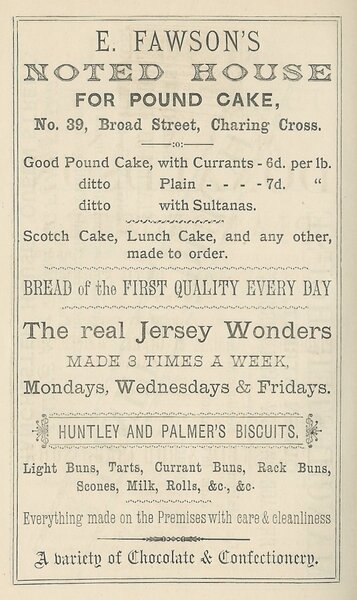
Meaning and pronunciation of the word ‘baker’
Etymology The English word “baker” comes from Middle English bakere, derived from Old English bæcere, meaning “baker.” It traces back to Proto-Germanic *bakārijaz, formed from the root of “bake” plus the agent suffix “-er.” Cognates include Dutch bakker, German Bäcker, and Swedish bagare, showing its deep roots in Germanic languages. Pronunciation In Received Pronunciation (British English), it’s pronounced /ˈbeɪ.kə(ɹ)/, with primary stress on the first syllable: BAY-ker. In General American English, it’s /ˈbeɪ.kɚ/, similarly stressed on “bay.” The “r” at the end is lightly pronounced in American English but often silent in British. Meaning and Morphology Baker is a common noun referring primarily to a person whose profession is baking and selling bread, cakes, pastries, and similar items. Secondary meanings include a portable oven used for baking or an apple variety ideal for cooking. Morphology: It’s a regular noun with plural bakers (add -s). No irregular forms. As an agent noun, it follows the pattern of verb + -er (e.g., teacher, writer). Grammar notes: Used with articles (“a baker,” “the baker”) and can function as a subject or object. In compounds like “baker’s yeast,” it acts as a modifier. Short Interesting Facts Historically, bakers formed guilds in medieval Europe to regulate the trade and ensure quality bread, which was a staple food. A “baker’s dozen” means 13 items, originating from bakers giving an extra loaf to avoid short-weight penalties. In other languages, “baker” has unique twists: In Dutch, it means “midwife” (from bakermoeder, “delivery mother”); in Slovene, it’s “copper” (metal). Tips to Learn It Easier Associate “baker” with the smell of fresh bread—visualize a bakery to remember the “bake” root. Practice by saying it with the verb: “The baker bakes.” To distinguish from similar words like “breaker,” note the “a” sound links to “cake.” Cultural or Contextual Features In English-speaking cultures, bakers symbolize warmth and community, often featured in folklore like the gingerbread man. In modern contexts, artisanal bakers emphasize sourdough or gluten-free options, reflecting health trends. During holidays, phrases like “the baker’s holiday” (no baking on feast days) highlight traditions. Examples in Sentences Simple: The baker kneads dough daily. Medium: Our town baker wins awards for her chocolate croissants. Complex: While the village baker experimented with new recipes during the lockdown, she discovered that combining local herbs with traditional rye bread created a flavor that delighted her loyal customers. Synonyms, Antonyms, and Common Word Combinations Synonyms: Pastry chef, bread maker, confectioner (for sweets-focused). Antonyms: None direct, but contrast with “customer” or “eater” in context. Common combinations: Baker’s dozen (13), baker’s oven, master baker, bakery owner. Mini-Tasks for Practice Make a sentence: Describe a baker’s daily routine using “baker.” Find a synonym: List two words similar to “baker” and explain why they fit. Word play: Create a short story where a baker uses a “portable oven” on an adventure.
Meaning and pronunciation of the word ‘in conclusion’
In Conclusion Part of Speech: Prepositional phrase Meaning: Used to introduce the final part of a discussion, speech, or piece of writing, signaling that you are summarizing the main points or drawing to a close. It means “as a final statement” or “to wrap up.” Pronunciation: /ɪn kənˈkluː.ʒən/ (British English) or /ɪn kənˈkluː.ʒən/ (American English). The primary stress falls on the second syllable of “conclusion” (kən-CLU-zhən), with a secondary light stress on “in.” Morphology: This phrase consists of the preposition “in” combined with the noun “conclusion,” derived from the Latin “concludere” meaning “to shut up” or “end.” It functions as a fixed idiomatic expression rather than a literal combination. Grammar Notes: “In conclusion” is typically placed at the beginning of a sentence or clause. It is formal and best suited for written essays, speeches, or reports. Avoid using it in casual conversation, where phrases like “so” or “anyway” might fit better. It is not inflected and remains the same in all contexts. Short Interesting Facts: The phrase has roots in classical rhetoric, where ancient speakers like Cicero used similar transitions to structure arguments. In modern times, it’s a staple in academic writing, helping to meet essay requirements for clear conclusions. Fun fact: Overuse in student papers has led some teachers to jokingly call it a “red flag phrase” for lazy summarizing! Tips to Learn It Easier: Associate it with the end of a story or movie—practice saying it aloud when wrapping up your own thoughts. Write daily journal entries and force yourself to end one paragraph with it. Pair it with synonyms like “finally” to build variety in your vocabulary. Cultural or Contextual Features: Common in English-speaking professional and educational settings, such as business presentations in the UK or US, or academic debates in universities worldwide. In multicultural contexts, non-native speakers might translate it directly, leading to awkward phrasing in other languages. It’s less common in informal texting but shines in formal emails or TED Talks. Examples: Simple: In conclusion, pizza is the best food. Medium: In conclusion, the data shows that recycling reduces waste effectively. Complex: In conclusion, while technological advancements have revolutionized communication, they have also raised privacy concerns that society must address through stronger regulations. Synonyms: finally, to sum up, in summary, ultimately, all in all. Antonyms: to begin with, firstly, in introduction (informal opposites for starting rather than ending). Common Word Combinations: In conclusion, we can see…; In conclusion, it is clear that…; Often paired with summarizing verbs like “therefore” or “thus” in the same sentence. Mini-Tasks for Practice: Make a sentence: Write a simple sentence using “in conclusion” to end a short opinion about your favorite hobby. Find a synonym: Replace “in conclusion” in the medium example above with a synonym and rewrite the sentence. Spot the context: Read a short news article and identify where “in conclusion” could be added to improve its structure.