Headword horse racing (noun, uncountable) – The sport where horses and jockeys compete to run fastest around a track. Pronunciation & Stress IPA: /ˈhɔːs ˈræsɪŋ/ Stress: Primary stress on “horse,” secondary on “racing” (HORSE- racing). Final syllable “ing” is unstressed. Morphology Compound noun formed from horse + racing. The second element “racing” comes from the verb race (to run fast). Variants: “horseracing” (no hyphen) is less common in formal writing. Grammar Notes Treated as uncountable when referring to the sport collectively: Horse racing attracts millions of bets. Countable when referring to specific events: We attended two horse races last weekend. Interesting Facts Horse racing dates back to ancient civilizations (8th century BC Greece), evolved from practical transportation into organized sport. Modern versions include flat racing, harness racing, and steeplechase. The Kentucky Derby (since 1875) is America’s most famous event. Learning Tips Memorize as a compound: focus on “horse” (animal) + “racing” (competition). Note British English prefers the hyphenated form “horse-racing”. Associate with betting culture. Cultural Context Popular in UK, US, Japan, Australia. Synonymous with gambling in many cultures (e.g., “making a bet on horse racing”). Contains subcultures like “horse whispering” and “stable hand” professions. Examples Simple: “Horse racing is exciting.” Medium: “Her grandfather makes a living as a jockey for horse racing teams.” Complex: “Despite animal welfare controversies, horse racing generates billions in tourism annually, particularly during events like the Royal Ascot meeting.” Word Combinations & Terms Synonyms: thoroughbred racing, horse race Antonyms: none direct; consider “walking” or “calisthenics” as contrasting activities Associations: – jockey (rider), trainer, betting, stadium, turf, stakes, Steeplechase (障碍赛) Mini-Tasks Sentence Challenge: Use “horse racing” in a sentence about its history. Variation Search: Find the hyphenated alternative form. Compound Match: Combine two words to create a related term (e.g., “govern” + “ment” = “government”).
Meaning and pronunciation of the word ‘hockey’
“`html Meaning of ‘hockey’ ‘Hockey’ refers primarily to a family of team sports played on various surfaces (grass, ice, pavement) using sticks to hit a ball or puck into a goal. Common variations include field hockey and ice hockey. It can also mean: (US slang) Feces or excrement. (Darts) An archaic term for the line from which players throw darts (‘oche’). (Historical) A harvest supper (‘hawkey’). Pronunciation & Stress Stress falls on the first syllable. IPA shows regional variation: British English: /ˈhɒki/ (rhymes with ‘goby’) General American: /ˈhɑki/ (rhymes with ‘high-key’) Morphology ‘Hockey’ is a simple noun with limited derivation: Morphologically basic: No productive suffixes or prefixes. Plural form: ‘hockeys’ is rare, used only in the obsolete darts ‘oche’ meaning (e.g., “a step of two hockeys”). Grammar Notes – Always used as an uncountable noun for the sport (describing the activity or type): “We play hockey every weekend.” – “A hockey” can sometimes refer to a game or match. Interesting Facts The Origin Mystery: The word dates back to the 16th century with unclear origins. Leading theories link it to the Dutch/French “hoek” (corner) suggesting game direction, or the curvature of hockey sticks (“hook”). Regional Titles: Neither the “World Cup of Hockey” (ice) nor “Hockey World Cup” (field) include the sport type in their official names. Slang Usage: In US slang slang from the late 1800s. Cultural & Contextual Notes Canada & US: “Hockey” almost always means ice hockey. Commonwealth (e.g., UK, Australia, India): “Hockey” refers to field hockey. Darts: ‘Hockey (or hocky) is now largely obsolete outside historical texts. Examples Simple: “My brother plays field hockey for the school team.” Medium: “Despite its origins, whether players prioritize speed or skill depends on whether it’s ice hockey or field hockey being played.” Complex: “The documentary artistically captured the intense rivalry between North American ice hockey leagues and Commonwealth field hockey tournaments, highlighting how the same word signifies vastly different sporting cultures.” Related Words Synonyms: SPORT (for the game sense); hockey puck, hockey stick (noun); hockey player, hockey coach (derivations). Related Can also include ‘muck’, ‘droppings’ (US slang for feces). Mini-Activities 1. Sentence Creation: Create two sentences using “hockey”. In one, use it for ice hockey (US/Canada context). In the other, use it for field hockey (Commonwealth context). 2. Pronunciation Check: Listen to online dictionaries and practice pronouncing the word. Note the vowel sound (ɒ vs ɑ) and stress. 3. Word Find: Identify all the different meanings of “hockey” mentioned in this resource and provide a one-word context clue for each (e.g., ‘sport’, ‘slang’, ‘darts’, ‘supper’). 4. Antonym Search: While “hockey” itself doesn’t have a direct antonym, think of sports that use different equipment. What sport primarily uses feet instead of sticks? (Answer: Football/Soccer). “

Meaning and pronunciation of the word ‘hiking’
Expand for word details Hiking Meaning: Walking long distances in natural environments, especially for recreation, exercise, or sport. It often involves traversing trails in countryside, forests, mountains, or parks. Pronunciation (IPA): /ˈhaɪkɪŋ/ Stress: The primary stress falls on the first syllable: **HI**-king. Morphology: “Hiking” is the **present participle** and **gerund** form of the verb “hike”. It is formed by adding the suffix “-ing” to the base verb “hike”. Grammar Notes: As a Verb (Gerund/Participle): Used after “be” or “get”: She is hiking in the mountains right now. / They need to get hiking by sunrise. As a Noun: Usually treated as an **uncountable** noun when referring to the activity itself (“I love hiking.”) The plural “hikings” is rarely used and typically refers to specific excursions (“We went on three challenging hikings this summer”). Why it Matters & Context: “Hiking” is the standard term used in North America and Britain for recreational long-distance walking outdoors. Cultural Note: In New Zealand, “tramping” is the preferred term; “hiking” is less common there. It implies travel on designated trails (footpaths, trails) rather than casual walking. Mnemonic Tip: Imagine “HI” (high!) + “KING” (doing great things at height). Picture someone at high altitude “king” ing the trail! Examples: Simple: “We went hiking after lunch.” Medium: “The Appalachian Trail is a famous long-distance hiking route.” Complex: “Despite the steep incline, our hiking boots provided excellent traction for the rocky terrain.” Related Vocabulary: Synonyms: Trekking, rambling (mainly UK), walking (sports context). Antonyms: Driving, flying, commuting (short distance by car). Common Collocations: Going on a hike/hiking trip, trail hiking, day hiking, mountain hiking, hiking boots, hiking gear, hiking trail, hiking map, hiking partner. Mini-Task: Create a Sentence: Write one sentence using “hiking” in the present continuous tense (e.g., “… is hiking…”). Find a Synonym: Look up one synonym for “hiking”. Stress Spot: Say “hiking” three times. Did the first syllable sound louder each time?
Meaning and pronunciation of the word ‘handball’
“`html Word: Handball Meaning: Most commonly refers to a team sport played on a court where players pass and propel a ball into the opposing team’s goal using their hands. It has other specific meanings in different sports and contexts. Pronunciation Proofreading Standard English Pronunciation (UK & US): /ˈhænd.bɔːl/ (HEND-bawl) IPA: /ˈhænd.bɔːl/ Stress: Primary stress falls on the first syllable (“HEND”). Vowel Sounds: First syllable has the short ‘e’ as in “hand”; second syllable rhymes with “saw”. Morphology ‘Handball’ is a classic English example of a compound word. It combines two nouns: hand + ball. This compound directly reflects both the primary equipment used (the ball) and the primary method of play (using the hand). Grammar Notes Noun: Can be both countable and uncountable. Uncountable: Refers to the sport itself (e.g., “We play handball every Tuesday.”). (e.g., “Nordic countries are strong in handball”) Countable: Refers to the object: “He hit the handball hard against the wall.” Refers to the infraction in soccer: “The referee called a handball.” Verb: “To handball” means to manually load/unload goods or, specifically in soccer, to illegally use the hand/arm. Its base form is handball (e.g., “Ports need to handball containers efficiently”). Note the regular -s ending in 3rd person singular: “handballs”. Past tense is “handballed”. Interesting Facts The modern Olympic team sport commonly called “handball” is technically known as “Team Handball” or “European Handball” to distinguish it from variations like Court Handball. Its origins trace back to Denmark, Sweden, and Germany in the late 19th/early 20th centuries. The term “handball” also exists in other languages (like the German borrowed form in French handball), often with similar meaning or adaptations. The slang sense is relatively modern and carries humor or shock value. Learning Tips Anchor the primary meaning! Associate “handball” strongly with the Olympic team sport involving goals, bouncing pass, and lots of human collisions. Visualize the action – hands throwing, the ball bouncing on the floor, players sprinting. Remember the alternative meanings fall into specific contexts: 1) Soccer foul, 2) Physical manual labor with goods, 3) Wall ball games (US/Ireland origin), 4) Specific Australian Football pass. Synonyms & Common Combinations Synonyms: Team handball, European handball, Olympic handball, hurl, heave, throw (for the ball) No direct antonyms. Think in terms of contrast: foul vs. legal play, pass vs. carry, unaided movement vs. handballing goods. Common Collocations: play handball | shoot/throw/pass the handball | score a goal | make a handball (soccer) | a handball infraction | handball container (verb) | handball court (for variations) Examples Simple: They have a handball game after school. Medium: In football, the referee decided the player made a deliberate handball, awarding a penalty kick. Complex: To qualify for the European Championships, the Danish men’s handball team must first win the qualifying tournament in Sweden, avoiding costly handball infractions that would weaken their position. Mini-Task: Match the Meaning: Which meaning of “handball” fits each sentence? “The striker deliberately handled the ball before scoring.” ______ (Sport/Goal / Medicine Ball / Soccer Foul) “Softball and handball are popular summer sports.” ______ (Summer Sport / Medical Sport / Team Sport) “Crane the goods handball from the delivery truck.” ______ (Manual Labor / Soccer Foul / Wall Game) Answers: 1. Soccer Foul, 2. Team Sport, 3. Manual Labor Categorize: Sort these nouns into categories. goal, court, basket, throw, handball, penalty, push, bowling Hint: Focus on meanings related to soccer/team handball vs. other sports. “
Meaning and pronunciation of the word ‘gymnastics’
“`html Meaning Gymnastics refers to both the sport involving routines of jumps, balances, and flips performed on various apparatus (like beams, bars, or mats), and the broader field of skills requiring physical strength, flexibility, balance, agility, coordination, and muscular endurance. It also describes complex intellectual or artistic exercises. Core Features Pronunciation (IPA): /dʒɪmˈnæs.tɪks/ Stress: Primary stress on the second syllable (dʒɪm**NASS**.tɪks) Morphology: Comes from Greek gymnastikós (apt at exercising naked), from gumnázesthai (to train naked) & gymnos (naked). Grammar: Often used as an uncountable noun (“gymnastics is great exercise”) or a countable noun (“We watched three gymnastics”). Interesting Facts & Context 1. Ancient Greek athletes trained naked, leading to the word’s origin. 2. Olympic gymnastics includes Artistic (men’s/women’s apparatus) and Rhythmic (fabrics/ropes). 3. The -ics ending groups it with fields like politics or mathematics. Learning Tips ‘Gym’ + ‘nastics’: Associate “nast” with “train naked” → remember strength/flexibility (spaces are clear!). Note the silent ‘y’—it only shapes the ‘j’ sound. Usage Examples Simple: “She practices gymnastics three times a week.” Medium: “Gymnastics requires dedication, as athletes train for years to perfect complex routines.” Complex: “While artistic gymnastics emphasizes power and height, rhythmic gymnastics incorporates dance and props like ribbons, demonstrating the sport’s diverse physical demands.” Related Vocabulary Synonyms: Acrobatics, floor play (informal), physical training. Antonyms: Sedentary activity, inactivity. Common collocations: Compete in gymnastics, train in gymnastics, win gymnastics gold, develop gymnastics skills. Mini-Task Corner Create a sentence: Use “rhythmic” + “ribbon” + “gymnastics”.Example: “Rhythmic gymnastics involves intricate ribbon routines choreographed to music.” Find a synonym: What word means “agility” from the meaning list above? (Answer: balance, coordination, agility) Grammar check: Is “exercises” countable or uncountable in: “Physical exercises improve health”? (Answer: Countable) “
Meaning and pronunciation of the word ‘golf’
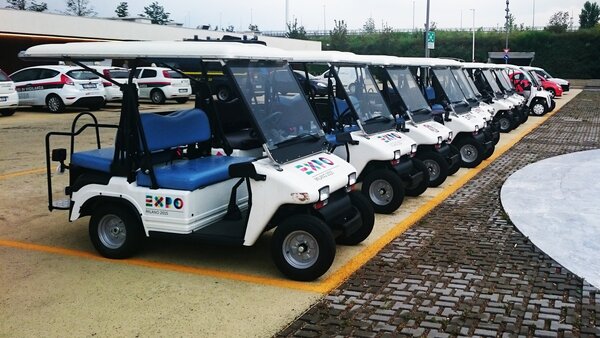
Meaning & Part of Speech Noun: an organized ball sport played in minimal strokes to get a ball into holes on a course. Also denotes the letter “G” in the NATO phonetic alphabet. Verb: to play golf; or informally, to write concise code (e.g., “code golf”). Pronunciation & Stress – **RP/UK:** /ɡɒlf/ (“golf,” stress on one syllable) – **US:** /ɡɑlf/ or /ɡɔlf/ – **Key feature:** Short “o” like “off,” no “uh” sound. Morphology & Grammar Noun: Uncountable (“play golf,” not “a golf”) Verb: golfs (3rd sing), golfing (Gerund), golfed (Past) Adjective form: none standard, but “golf-related” works Grammar note: “Golf” as a noun cannot be pluralized; description like “red ball” defines usage (e.g., “gulf” ≠ sport) Interesting Facts Etymology may trace to Scottish “golf” or Dutch “kolven” (stick implement), evolving from medieval hitting games. Featured in computing jargon as “code golf” – competing to write shortest programs. Used in NATO phonetic alphabet since WWII to ensure clear radio communication (e.g., “Grid Echo Foxtrot” for GE-F). Learning Tips Visualize a golf course, combining “golf” + “course.” Chunk the word: “go” (not meant to be understood) + “lf” (remember the ‘l’!). Practice pronunciation drills: “or-” (as in “or”) + “-if” (as in “if” without “uh”). Cultural Contexts Professional golf: Masters Tournament, Ryder Cup, PGA Tour. Business/Social: Golf often used for networking (“gentlemen’s game”). Phonetic alphabet: “Golf” universally understood for “G” (e.g., pilots/cops). Example Sentences Simple: “I play golf every Saturday.” Medium: “The pro golfer sank a 10-foot putt for a birdie.” Complex: “Through iterative code golf, developers minimized lines of JavaScript by reusing functions, reducing file size to 500 bytes.” Related Word Features Collocations: “golf cart,” “golf club,” “golf swing,” “golf resort” Antonyms: No direct antonyms; phrases might contrast with “avoiding golf” or “playing tennis.” Similar words: “field hockey” (similar sport), but closely linked terms include “putter,” “tee,” “bunker.” Mini-Tasks Synthesis: Create a flashcard with “golf” and the definition “sport played on grass with clubs/balls.” Add an image. Grammar: Identify correct verb form: “She _____ every summer” (options: golf, golfs, golfing). Phrase combo: “why do golfers say ‘green’ for the area surrounding the hole?” (Hint: precise terminology).
Meaning and pronunciation of the word ‘gliding’
Explore the Word: Gliding Definition: The word ‘gliding’ describes the smooth, effortless, and continuous movement of an object or person sliding along a surface or through a medium (like air or water) without flapping, thrusting, or stopping, as if effortlessly flowing. Originally implying minimal resistance. Pronunciation & Stress IPA: /ˈɡlɑɪdɪŋ/ Stress Pattern: The primary stress falls on the first syllable: **GLIDE**-ing (/ˈɡlɑɪ/). Rhyme Mimicry: Sounds like “GRAY-ding”. Morphology (Word Structure) Base Word: glide (verb, noun) Inflectional Suffix: -ing (-ing attached to the base verb glide to form the present participle/gerund) Derived Noun: gliding (Nominalization – the act or process of gliding) Grammar Notes Part of Speech Flexibility: ‘Gliding’ functions as: Noun (Gerund/Verbal Noun): Represents the *action* itself. (e.g., “She enjoys gliding over ice.” – Uncountable sport/activity) Noun (Common/Countable): Can refer to specific instances of the action. (e.g., “They witnessed several glidings of the bird.”] Verb (Present Participle): Used in continuous tenses of glide. (e.g., “Look! That skater is gliding gracefully.”) Adjective: Describes something characterized by a smooth, effortless movement or change. (e.g., “She answered the difficult question with gliding ease.”) Employment Term (Adjective): Specifically means providing the flexibility to adjust start/end times within set working hours (flexitime). (e.g., “The job offers gliding shifts.”) Differentiation: Distinguish between the general *movement* adjective, the *sport* noun, and the specific *employment flexibility* meaning. Interesting Facts & Context Air Sport Origin: “Gliding” as a sport refers to flying unpowered aircraft (gliders) that rely on rising air currents (thermals) for sustained flight, demanding skill and observation. Physics Principle: Gliding exploits the lift-to-drag ratio; efficient gliders minimize drag to maximize distance traveled horizontally while descending. Figurative Use: Often used metaphorically for smooth transitions or processes avoiding obstacles or resistance (e.g., “The contract was signed with gliding efficiency,” “She managed the change with gliding diplomacy”). Employment:** Sometimes referred to as “flexitime” or “which-time” schemes. Tips for Learning Visualize! Picture a bird effortlessly soaring on wind currents, a sleek ice skater slicing across the rink, or sunlight moving smoothly across a wall. Connect to ‘Glide’: Remember: “Gliding” is what gliding looks like. Verb-Adjective Combo:** Practice the different forms: “Watch the swan glide…”, “It was a gliding flight.”, Employment Tech: Associate gliding shifts with concepts like flexibility, adjustable, choice. Examples in Context Level Sentence Beginner The dragonfly moved smoothly, little more than a gliding motion across the pond. Intermediate After a minor surgery, the patient’s recovery progressed with surprising gliding ease. Advanced 全球经济面临着严峻挑战,货币汇率在资本流动中呈现出“平滑”波动的趋势(In a context using the metaphorical sense: “The global economy is facing severe challenges, with exchange rates exhibiting gliding fluctuations amidst capital movements” typed in imperfect English). Related Words Synonyms: Sliding, floating, drifting, flowing, sweeping, coasting Antonyms: Stumbling, jerking, bumping, lurching, hesitating, stopping Common Collocations/Compounds: Gliding act/sport (noun) Gliding motion (noun/adj) Gliding through (adj – e.g., “gliding through bureaucracy”) Gliding aircraft/glider (noun) Gliding shifts/hours/time (adj – employment) Hang gliding (noun – specific sport) Mini-Tasks for Practice Create! Write a simple sentence using “gliding” as a noun (uncountable, referring to the sport) and another using it as an adjective describing movement. Synonym Spotter: Find a synonym for “gliding” from the list above and replace it in this sentence: “The dancer moved with effortless gliding grace across the stage.” Analyze! Identify the part of speech of “gliding” in each sentence: “The albatross began its gliding descent.” (______) “Look at the light steadily, like that bird gliding.” (______) “The company offers the manager flexible gliding hours.” (______)
Meaning and pronunciation of the word ‘football’
Understanding the Word: Football Meaning & Usage Football primarily refers to 1️⃣ **a sport played on foot** with the objective of scoring by moving a ball into the opponent’s goal. However, its meaning varies by region: Association football (soccer) – dominant in the UK, Africa, and South Asia. American football – played with an oval ball and 11 players per team in the U.S. Australian rules football and rugby codes – popular in Australia and parts of Europe. The term can also colloquially denote “a topic of discussion” or, as military slang, a nuclear briefcase (the football). Pronunciation Stress is on the first syllable: General English: /ˈfʊt.bɔːl/ (Received Pronunciation) or /ˈfʊt.bɑːl/ (Canada). American English: /ˈfʊt.bɔl/ (no cot–caught distinction). Australian English: /ˈfʊt.boʊl/. Morphology & Grammar Etymology: Compound of foot + ball, coined in Middle English. Grammar Notes: Both singular and plural forms exist (e.g., “a game of football” vs. “footballs”). Verb form “to football” is rare (e.g., “They football every weekend”). Cultural Tips & Word Connections Tips to remember: Associate “foot” with kicking and “ball” with the object. Remember synonyms like “soccer” (UK) or “gridiron” (U.S.). Note antonyms: “basketball” or “volleyball” (ball-handled sports). Common collocations: Watch a football match. Score a goal in football. Raise questions about football tactics. Mini-Task: Practice Quiz Use football correctly: Create a sentence about playing football in your region. Match synonyms: soccer = ____, war plan = ____. Identify regional meanings: Is “football” more likely to mean soccer in Brazil or the U.S.? Interesting Fact President Eisenhower nicknamed the nuclear briefcase “the football” after a dropkick—a reference to its urgent delivery, much like a game-winning field goal.
Meaning and pronunciation of the word ‘fishing’
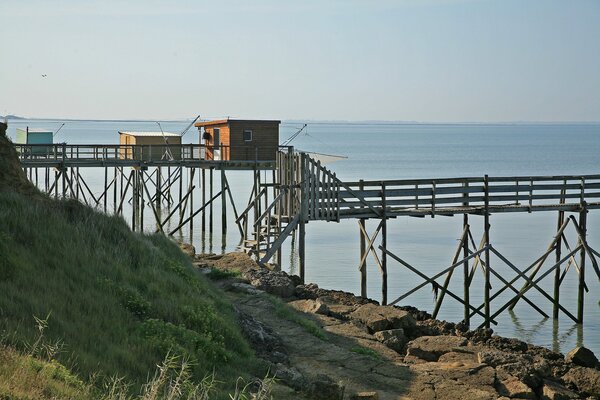
“`html Meaning of ‘fishing’ Fishing primarily refers to the activity of catching fish using a hook and line. It can also denote: The act of catching other seafood (like shrimp or crab), not just fish. Commercial fishing: The industry involved in catching fish/seafood for profit. A specific place where fish are caught (a fishery). Figuratively, “fishing” can mean searching for information or making试探性的尝试 (e.g., “fishing for compliments”). Pronunciation IPA: /ˈfɪʃ.ɪŋ/ Stress: The primary stress falls on the first syllable: FISSH-ing (emphasizing the “ISH”) Morphology The word “fishing” is formed by adding the suffix ‘-ing’ to the verb fish. Root Word: fish (/fɪʃ/) Suffix: -ing (forms nouns denoting an activity/action and verbs forming present participles/gerunds) Grammar Notes Noun: Can be uncountable (referring to the general activity: “Fishing is relaxing”) or countable (referring to specific instances or places: “They went on two fishing trips this summer”; “The salmon fishing was excellent”). Verb Form: As the present participle and gerund of “fish”, it functions as a verb form (e.g., “He is fishing”, “Fishing requires patience”). Homophone: It sounds very similar to “phishing” (pronounced /ˈfɪʃ.ɪŋ/, the same IPA). “Phishing” refers to cyber fraud attempting to steal sensitive information. Interesting Facts “Fishing” has a double etymology: it comes from Middle English “fischynge” (from “fish”) or can be analyzed simply as “fish” + “-ing”. Its many synonyms highlight its different facets: activity (“piscatology”), business (“fishery”, “seafood industry”), or sport (“sportfishing”). Learning Tips Differentiate Noun/Verb: Remember that as a noun, “fishing” refers to an activity or the place. As a verb form, it describes someone who is catching fish (“He is fishing”) or acts as a noun within a verb phrase (“Fishing makes him happy”). Group Synonyms: Link synonyms to different aspects: Sport = sportfishing; Industry = fishery/seafood industry; Place = fishery. Think of the Homophone: Connect “fishing” with “phishing” but remember the different meanings (bait vs. online scams). Example Sentences Simple: We go fishing every Sunday. (Countable as an uncountable activity) Medium: Sustainable fishing practices are vital for ocean health. (Uncountable, general concept) Complex: As the fishing industry expanded globally, concerns about overfishing and ecosystem damage grew significantly. (Uncountable as a collective/business activity) Synonyms, Antonyms & Combinations Synonyms (Noun): Piscatology, piscation (archaic), the gentle craft (archaic), sportfishing (sport), piscicide (pejorative for killing fish) Synonyms (Verb Form Challenger): Hunt (for the catch) Common Word Combinations: Recreational fishing, deep-sea fishing, fly fishing, line fishing, commercial fishing, fishing boat, fishing rod, fishing season, angling, catch-and-release fishing No Direct Antonym: As a specific activity, “fishing” lacks a universally accepted direct opposite. Broader terms like “caging,” “farming,” or “farming out” might sometimes contrast it for specific contexts, but there is no perfect antonym. Mini-Tasks for Practice Sentence Creation: Use “fishing” (as a noun meaning the activity) in a sentence about your hobbies. Synonym Search: Find a synonym for “fishing” from the list provided above and use it in a sentence. Homophone Check: Can you think of one more word that sounds like “fishing” but has a completely different meaning? Participation: Identify if “fishing” is used as a noun or verb form in these sentences: (a) They are catching fish. (b) We saw many boats engaged in fishing. (c) Fishing requires skill. “

Meaning and pronunciation of the word ‘field hockey’
Meaning Field hockey is a team sport played on an artificial grass or turf surface. Players use sticks with curved ends to maneuver a small, hard rubber ball into the opponent’s goal. Governed by the International Hockey Federation (FIH), it requires speed, agility, and tactical awareness. The sport features 11 players per team and is governed by strict rules regarding stick handling, physical contact, and penalty corners. Pronunciation UK IPA: /ˈfiːld ˈhɒki/ US IPA: /ˈfiːld ˈhoʊki/ Stress pattern: Primary stress on both “field” and “hockey”. Morphology This compound noun combines: Field: From Old English “feld” (open land) Hockey: From French “hoquet” (shepherd’s crook), via Middle English “hokki” The hyphenated form emphasizes its distinction from ice hockey. Grammar Notes – Generally uncountable when referring to the sport (e.g., “I love field hockey”) – Can be pluralized for competitions/instances (e.g., “The tournament hosted multiple field hockey games”) – Requires “the” with specific venues/surfaces: “the field hockey pitch”. Useful Facts Played in over 70 countries and featured in every Summer Olympics since 1908 Olympic teams have equal players (men/women) since 2000 Originated in 19th-century England Learning Tips Habit stacking: Practice with “field” verbs: “play field hockey”, “watch field hockey match”, “train in field hockey” Visual association: Imagine green grass instead of ice while hearing “hockey” Sentence embedding: Create context-specific phrases like “collect field hockey cards” during study sessions Interesting Contexts In Commonwealth nations (India, Australia) it’s called byut field hockey, while North America specifies “field” to distinguish from ice hockey. Women’s field hockey has higher global participation (41% of players) due to accessibility on grass fields. Example Sentences Simple: “She practices field hockey every Tuesday.” Medium: “Unlike ice hockey, field hockey players rarely score while running fast.” Complex: “Despite growing popularity in North America, field hockey’s featherweight balls and synthetic pitches create unique tactical challenges compared to its ice-based cousin.” Synonyms & Collocations Choosing the right word: “icy” (antonym), “hockey” (in Commonwealth countries) Common phrases: play field hockey field hockey stick field hockey match national field hockey team Mini-Exercises 1. Sentence creation: “My friend dreams of _________________________.” 2. Synonym hunt: In Malaysia, field hockey is often called simply ______. 3. Fill-in: Players must not use the _________________________ of their sticks to handle the ball.