Meaning of “Country” The word “country” primarily refers to a nation or sovereign state, such as France or Japan. It can also mean a rural area or countryside, distinct from urban cities, or an unspecified region with shared characteristics like culture or landscape. In modern usage, it often denotes the territory and people of a political entity. Pronunciation and Stress The standard British and American English pronunciation is /ˈkʌntri/, with primary stress on the first syllable (KUN-tree). In Australian English, it’s /ˈkɐntri/. Avoid the common ESL error of /ˈkaʊntri/, which sounds like “county.” Listen to native speakers on sites like Forvo for accurate audio. Morphology “Country” derives from Middle English “contree,” from Old French “contree,” rooted in Vulgar Latin “contrāta” meaning “(land) lying opposite.” It’s unrelated to “county,” despite similarity. As a noun, it has no inflections in modern English but forms adjectives like “countryside” or “countrywide.” Plural: countries. Grammar Notes “Country” is countable (e.g., many countries) and uncountable (e.g., the country as rural area). Use “the country” for the rural sense or specific nations (the United States). It’s often preceded by articles or possessives (my country). No gender in English. Short Interesting Facts From the 14th century, “country” shifted from meaning “opposite land” to modern nation-states. It’s cognate with Scots “kintra.” In Australia, “Country” (capitalized) refers to Indigenous peoples’ traditional lands, embedding cultural and spiritual significance. The word displaced Old English “land” in many contexts. Tips to Learn It Easier Associate it with maps: Visualize borders of countries like Canada or Italy to remember the national sense. Use mnemonics: “Coun-try” sounds like “count trees” for rural imagery. Practice with apps like Duolingo, grouping it with related words (city, town, nation). Listen to country music (e.g., Johnny Cash) for the genre sense, though less common in learning English. Cultural or Contextual Features In British English, “the country” evokes idyllic rural escapes from city life, as in Jane Austen novels. Globally, it symbolizes patriotism (“love your country”) or geopolitics (e.g., developing countries). In Indigenous Australian contexts, it represents ancestral connection beyond political borders, highlighting cultural depth. Examples of Sentences Simple: Japan is a beautiful country. Medium: She moved from the city to the country for a quieter life. Complex: While many countries around the world face economic challenges, those with strong agricultural sectors, like the rural regions in Brazil, continue to thrive by exporting goods to urban markets. Synonyms, Antonyms, and Common Word Combinations Synonyms: Nation (for state), land (poetic), region (for area), countryside (rural). Antonyms: City (urban opposite), ocean (non-land), dependency (non-sovereign). Common Combinations: My home country, third-world country, across the country, country road, country music. Mini-Tasks for the Student Make a sentence: Describe your favorite country and why. Find a synonym: Replace “country” in “I love the country air” with another word. Quiz yourself: What’s the plural of “country”? Pronounce it aloud three times. Explore: List three countries starting with “C” and one fact about each.
Meaning and pronunciation of the word ‘contrast’
Contrast Etymology From French contraster, from Italian contrastare (“to resist, to withstand”), from Vulgar Latin *contrāstāre, from Latin contrā (“against”) + stō, stāre (“to stand”). This reflects the idea of standing against something, highlighting differences. Pronunciation Noun: /ˈkɒn.trɑːst/ (UK), /ˈkɑːn.træst/ (US). Stress on the first syllable. Verb: /kənˈtrɑːst/ (UK), /kənˈtræst/ (US). Stress on the second syllable. Note the shift in stress between noun and verb forms, a common pattern in English words like “record” or “present.” Morphology and Grammar Notes “Contrast” functions as both a noun (countable or uncountable) and a verb. As a noun, it often pairs with articles or quantifiers (e.g., “a sharp contrast”). The plural is “contrasts.” As a verb, it conjugates regularly: contrasts, contrasting, contrasted. It can be transitive (e.g., “contrast A with B”) or intransitive (e.g., “The colors contrast nicely”). No irregular forms. Meanings Noun: A noticeable difference between two or more things, especially in appearance or qualities (e.g., color, opinion). The degree of difference in light or color in an image or display. Something that is opposite or very different from another. Verb: To compare two things to show their differences. To form a noticeable difference when compared. Short Interesting Facts The word entered English in the 16th century, evolving from ideas of opposition in art and rhetoric. In photography and design, “high contrast” creates dramatic visuals, like in black-and-white films by directors such as Alfred Hitchcock, emphasizing tension through stark differences. Tips to Learn It Easier Associate “contrast” with “stand against” – visualize two people arguing, standing firm against each other. Practice by describing outfits or rooms: “The red apple contrasts with the green leaves.” Use mnemonics: “CON” (against) + “TRAST” (like “thrust” or stand firm). Review noun vs. verb stress by clapping syllables. Cultural or Contextual Features In literature and rhetoric, “contrast” is key to antithesis, like in Shakespeare’s “Not marble, nor the gilded monuments” – contrasting enduring love with fading statues. In modern contexts, it’s vital in marketing (e.g., “before and after” ads) and UI design for accessibility. Examples Simple: The black cat contrasts with the white snow. Medium: Her cheerful personality contrasts sharply with his reserved nature. Complex: While the bustling city life offers endless opportunities, it contrasts dramatically with the serene tranquility of rural villages, where time seems to slow down. Synonyms, Antonyms, and Common Combinations Synonyms: Noun – difference, disparity, distinction; Verb – compare, juxtapose, differ. Antonyms: Noun – similarity, resemblance; Verb – resemble, match. Common combinations: in contrast (to/with), stark contrast, sharp contrast, contrast with, by contrast. Mini-Tasks Make a sentence: Use “contrast” as a verb to describe two friends. Find a synonym: List two synonyms for “contrast” as a noun and use one in your own sentence. Compare and contrast: Write three differences between summer and winter.
Meaning and pronunciation of the word ‘conductor’
Conductor Part of Speech: Noun (plural: conductors) Etymology: Borrowed from Middle French conductour, from Old French conduitor, from Latin conductor, meaning “leader” or “contractor,” derived from condūcō (“to lead together”). Meanings A person who directs or leads, such as a guide or director. In music: The leader of an orchestra, choir, or ensemble who uses a baton to guide performers. In transportation: A person who collects tickets and assists passengers on trains, buses, or trams. In physics: A material or substance that allows the easy flow of electricity, heat, light, or sound (e.g., copper wire). In mathematics: An ideal in ring theory that indicates how far the ring is from being integrally closed. Archaic or specialized: A grooved tool used in surgery to direct instruments, or in architecture, a leader. Pronunciation IPA: /kənˈdʌk.tər/ (stress on the second syllable: con-DUK-ter). In American English, it sounds like “kuhn-DUHUK-ter”; in British English, slightly more emphasis on the ‘u’ sound. Morphology and Grammar Notes Conductor is a countable noun, forming the plural by adding -s. It can function as a subject or object in sentences. No irregular forms; related verbs include “conduct” (to lead or direct). In physics contexts, it’s often used attributively, e.g., “conductor wire.” Synonyms and Antonyms Synonyms: Leader, director (general); maestro (music); ticket collector (transport); transmitter (physics). Antonyms: Follower (general); insulator, dielectric (physics). Common Word Combinations: Orchestra conductor, train conductor, electrical conductor, lightning conductor (British English for lightning rod). Examples in Sentences Simple: The conductor checked our tickets. Medium: As the orchestra conductor raised her baton, the musicians fell silent. Complex: While the train sped through the countryside, the conductor, who had worked the route for decades, shared stories of famous passengers with curious travelers. Short Interesting Facts The word traces back to Latin roots shared with “conduct,” linking ideas of guidance and flow. In the 19th century, “conductor” became key in the electrical revolution, with Thomas Edison popularizing copper conductors in wiring. Culturally, famous conductors like Leonard Bernstein shaped modern classical music, often seen as interpreters of composers’ visions. Tips to Learn It Easier Associate “conductor” with “conduct” + “-or” (person who does the action): Think of a music conductor waving a stick to “lead” the sound. Mnemonic: “Con-DUK-ter” sounds like “con-duck-ter,” imagining a duck leading a group. Practice by watching orchestra videos or riding public transport, noting the role in context. For physics, visualize electricity “flowing” like a river guided by a conductor. Cultural or Contextual Features In English-speaking countries, “conductor” evokes images of tuxedo-clad maestros in concert halls or uniformed staff on historic trains like the Orient Express. In American English, it’s common for buses too; in British English, more tied to rails. The term highlights leadership themes in arts and science, from Beethoven’s symphonies to modern tech like smartphone circuits. Mini-Tasks for Practice Make a sentence: Write one using “conductor” in a music context. Find a synonym: List two synonyms for the physics meaning. Quiz yourself: What’s the opposite of a conductor in electricity? Explain why metals are good conductors. Explore: Translate “conductor” to your native language and compare meanings (e.g., Spanish “conductor” means “driver”).
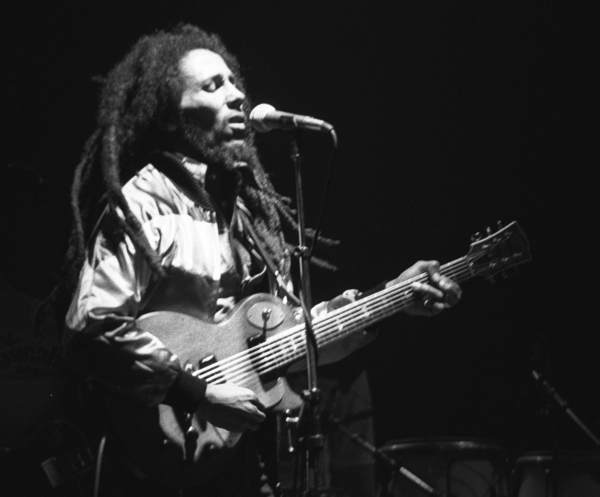
Meaning and pronunciation of the word ‘concert’
English: Concert Etymology Borrowed from French concert, from Italian concerto, deverbal from concertare (to harmonize). It’s a doublet of concerto, sharing roots in harmony and agreement. Pronunciation Verb: /kənˈsɜːt/ (UK) or /kənˈsɝːt/ (US). Stress on the second syllable: con-SERT. Noun: /ˈkɒn.sət/ (UK) or /ˈkɑːn.sɚt/ (US). Stress on the first syllable: CON-cert. Rhymes: For the noun, with words like “forest” in some accents. Morphology and Grammar Notes Verb: Concert is a regular verb: concerts, concerting, concerted. It’s transitive, often used in formal contexts meaning to devise or harmonize plans. Rare in everyday speech. Noun: Countable (a concert) or uncountable (in harmony). Plural: concerts. No irregular forms; derives from the verb but functions independently as a noun. Meanings Verb (transitive): To plan or devise together; to arrange by agreement (e.g., to concert efforts). Also, to act in harmony. Noun: (Uncountable) Harmony or agreement in plans; musical concord. (Countable) A public musical performance involving multiple performers or instruments. Synonym: gig (informal). Synonyms and Antonyms Synonyms (noun): Recital, show, performance. Synonyms (verb): Coordinate, collaborate, orchestrate. Antonyms (noun): Discord, disagreement. Antonyms (verb): Divide, oppose. Common combinations: Rock concert, live concert, concert hall, in concert (together), concert pianist. Examples Simple: I love going to a concert. Medium: The band announced a world tour with sold-out concerts in major cities. Complex: Although the politicians had initially disagreed, they eventually concerted their efforts to pass the bill, resulting in a harmonious policy that benefited the community. Interesting Facts The word entered English in the 16th century, first meaning “agreement” before evolving to denote musical events in the 17th century. Culturally, concerts trace back to 17th-century Europe, like Vienna’s coffeehouse performances, and now span genres from classical symphonies to massive pop stadium shows. In Japanese, it’s borrowed as konsāto, reflecting global music influence. Tips to Learn Easier Associate the noun with “harmony” like an orchestra playing together. For the verb, remember it as “concerted effort” (joint planning). Practice by listening to concert audio on apps like YouTube, noting the stress shift from verb to noun. Use mnemonics: “Concert” sounds like “con-sort” (sort plans together). Cultural or Contextual Features In Western culture, concerts foster community, from Beethoven’s premieres to modern festivals like Coachella. Contextually, “in concert” means collaboratively, as in “working in concert.” In non-musical use, it implies unity, e.g., international leaders acting in concert against climate change. Mini-Tasks for Practice Make a sentence: Write one using “concert” as a noun in a music context. Find a synonym: List two synonyms for the verb form and use one in a sentence. Antonym challenge: Create a sentence contrasting “concert” with “discord.” Word combo: Describe your favorite type of concert (e.g., jazz concert) in three sentences.
Meaning and pronunciation of the word ‘composer’
English: Composer Meaning: A composer is primarily a person who creates music, such as symphonies or songs. More broadly, it refers to anyone who composes or creates something, like an author of literature. It can also mean something that calms or quiets, though this is less common today. Pronunciation: In General American English, it’s pronounced /kəmˈpoʊzər/ (kuhm-POH-zer), with stress on the second syllable. In Received Pronunciation (British English), it’s /kəmˈpəʊzə/ (kuhm-POH-zuh). The ‘r’ at the end is pronounced in American English but often not in British. Morphology: The word is derived from “compose” + “-er,” where “-er” is a suffix indicating a person who performs an action. “Compose” comes from Latin componere (to put together), from com- (together) and ponere (to place). Grammar Notes: “Composer” is a countable noun, used in singular or plural form (composers). It typically follows articles like “a” or “the,” e.g., “a famous composer.” Short Interesting Facts: The term gained prominence in the 18th century with the rise of classical music. Famous composers like Beethoven and Mozart shaped Western music history. Interestingly, “composer” once meant a peacemaker, reflecting its root in “composing” disputes. Tips to Learn It Easier: Associate it with “compose,” like putting notes together in music. Break it down: com- (together) + pose (place). Practice by naming composers: Bach, Chopin. Use mnemonics like “A composer composes calm symphonies.” Cultural or Contextual Features: In music culture, composers are revered as artists. The Romantic era elevated them to celebrity status. In modern contexts, it includes film score creators like John Williams. In literature, it’s used metaphorically for writers “composing” stories. Examples: Simple: Beethoven was a great composer. Medium: The young composer wrote a beautiful piano sonata for the concert. Complex: Although she faced many challenges in her early career, the innovative composer eventually gained international acclaim for her orchestral works that blended classical and electronic elements. Synonyms: Musician (for music creators), author, creator. Antonyms: Performer (one who plays rather than creates), destroyer. Common Word Combinations: Film composer, classical composer, renowned composer, to hail a composer. Mini-Tasks for Students: Make a sentence: Write one using “composer” in a musical context. Find a synonym: List two synonyms and use one in a sentence. Research: Name three famous composers and one fact about each. Translate: If learning French, note that “composer” is a verb meaning “to compose” or “to dial a number.” French Connection The English “composer” shares roots with the French verb composer (/kɔ̃.po.ze/), meaning “to compose,” “to make up,” or “to dial.” From Old French, it evolved from Latin compōnere. This highlights English’s Norman influences. Example: Il compose une chanson (He composes a song). Etymology ties both languages: English noun from verb “compose,” ultimately from the same Latin source. This cross-lingual link aids multilingual learners.
Meaning and pronunciation of the word ‘coloratura’
English: Coloratura Etymology Borrowed from Italian coloratura, from Late Latin colōrātūra, derived from colōrāre (“to color”). The term evokes the idea of “coloring” a melody with elaborate embellishments. Pronunciation IPA: /ˌkɒlərəˈtjʊərə/ (British) or /ˌkʌlərəˈtʊrə/ (American). Stress falls on the third syllable: col-o-ra-TU-ra. It rhymes with words like “cura” but with a flourish. Meaning As a noun (countable and uncountable, plural: coloraturas): – (Uncountable) Florid, ornamental passages in vocal music, often featuring rapid scales, trills, and runs. – (Countable) A singer, typically a soprano, specializing in such passages. As an adjective (comparative: more coloratura; superlative: most coloratura): Pertaining to or characterized by such elaborate vocal style. Morphology and Grammar Notes Derived from the Italian past participle of colorare (“to color”), reflecting its musical roots. In English, it’s primarily a noun but can function adjectivally (e.g., “coloratura soprano”). No irregular forms; follows standard pluralization. Short Interesting Facts Coloratura originated in 18th-century opera, popularized by composers like Mozart and Rossini. Famous coloratura sopranos include Joan Sutherland and Maria Callas, known for their vocal agility. The term highlights the “colorful” embellishments that add emotional depth to arias. Tips for Learning Easier Associate it with “color” and “atura” (like gesture)—imagine “coloring” a song with fancy twists. Listen to examples on platforms like YouTube (search “Queen of the Night aria” from Mozart’s The Magic Flute) to hear it in action. Break it down: co-lo-ra-tu-ra, practicing each syllable while humming a scale. Cultural and Contextual Features Deeply tied to classical music and opera, especially bel canto style. In modern contexts, it appears in pop crossovers (e.g., Ariana Grande’s high notes) or descriptions of intricate singing in musical theater. Cognates exist in Italian (coloratura: ornamentation), Latin (colōrātūra: coloring), and Spanish (coloratura: virtuosic melody). Examples Simple: The soprano sang a beautiful coloratura. Medium: Her voice excelled in the coloratura passages of the aria, dazzling the audience. Complex: Although challenging for many singers, the coloratura section in Puccini’s Turandot requires not only technical precision but also emotional expressiveness to convey the character’s turmoil. Synonyms and Antonyms Synonyms: floridatura, ornamentation (noun); agile, virtuosic (adjective). Antonyms: recitative (straightforward vocal line); plainchant (simple melody). Common Word Combinations: Coloratura soprano, coloratura singing, coloratura aria, lyrical coloratura. Mini-Tasks for Practice Make a sentence: Write one using “coloratura” in a musical context. Find a synonym: List two words similar to “coloratura” and explain why they fit. Listen and describe: Hear a coloratura piece online and note three features (e.g., trills, speed). Etymology challenge: How does “coloratura” relate to the English word “color”? Create a mnemonic.
Meaning and pronunciation of the word ‘climax’
Etymology The word “climax” originates from Latin clīmax, derived from Ancient Greek κλῖμαξ (klîmax), meaning “ladder” or “staircase,” and later applied to a rhetorical device. It stems from κλίνω (klínō), “to lean” or “slant,” evoking the idea of ascending steps. Pronunciation In English, “climax” is pronounced as /ˈklaɪ.mæks/, with primary stress on the first syllable (KLY-maks). It rhymes with words like “climax” (no common rhymes listed, but similar to “lime acts”). For learners, practice the diphthong /aɪ/ as in “sky,” followed by /mæks/ like “max.” Meanings Rhetorical device: A figure of speech where elements are arranged in ascending order of importance for emphasis. Narratology: The peak of tension in a story, the turning point after rising action. General culmination: The highest point or acme of something, like success or development. Ecology: The stable, mature stage of an ecosystem where species are balanced. Sexual (euphemistic): Orgasm, the height of sexual pleasure. Morphology and Grammar Notes “Climax” is primarily a noun (countable or uncountable; plural: climaxes or rarely climaces). As a verb, it is ambitransitive: “The story climaxes dramatically” (intransitive) or “She climaxed the performance with a song” (transitive). No irregular forms; follows standard English patterns. In sentences, it often pairs with prepositions like “reach a climax” or “build to a climax.” Short Interesting Facts Originally a rhetorical term from ancient oratory, “climax” entered English in the 16th century via Latin. In ecology, it describes succession ending in a “climax community,” coined by Frederic Clements in 1916. Culturally, it’s famously used in storytelling (e.g., films like The Empire Strikes Back builds to a climax). In modern slang, it can euphemistically refer to orgasm, adding a layer of sensitivity in formal contexts. Tips to Learn It Easier Associate with “climb” – think of it as climbing a ladder to the top. Visualize a story arc: rising action leads to the climax, like a mountain peak. Practice by identifying climaxes in books or movies to reinforce narrative sense. Use mnemonics: “Cli-max” as “climb to maximum height.” Cultural or Contextual Features In literature and film, the climax resolves conflicts, heightening drama. Rhetorically, it’s used in speeches for persuasion, as in Martin Luther King Jr.’s “I Have a Dream,” building intensity. In ecology, it highlights environmental balance, relevant to climate discussions. Avoid casual use of the sexual meaning in professional settings to prevent awkwardness. Examples Simple: The movie’s climax was exciting. Medium: After hours of buildup, the band reached the climax of their concert with fireworks. Complex: In the novel, the protagonist’s confrontation with the villain serves as the climax, where years of hidden secrets finally unravel, leading to an unexpected resolution. Synonyms, Antonyms, and Common Combinations Synonyms: Peak, summit, zenith (for culmination); orgasm (sexual); crescendo (rhetorical). Antonyms: Anticlimax, trough, nadir. Common combinations: Sexual climax, narrative climax, build to a climax, ecological climax community, reach one’s climax. Mini-Tasks for Practice Make a sentence: Write one using “climax” in a story context. Find a synonym: List two synonyms and use one in a sentence. Identify in media: Watch a short video clip and note the climax moment. Translate simply: If learning another language, compare “climax” in English to its equivalent in your native tongue (e.g., Dutch: hoogtepunt).
Meaning and pronunciation of the word ‘clef’
Meaning The word clef is primarily a musical term referring to a symbol placed at the beginning of a musical staff to indicate the pitch of the notes written on it. It essentially acts as a “key” that unlocks the scale for reading music. For example, the treble clef (also called G clef) is used for higher-pitched instruments, while the bass clef (F clef) is for lower ones. In a broader sense, it can evoke the idea of a key, drawing from its French roots. Pronunciation In English, clef is pronounced as /klɛf/, with the stress on the single syllable. The “e” sounds like the “e” in “bed,” and it rhymes with words like “chef” or “deaf.” Listen to native speakers or use apps like Forvo to hear it in context—avoid confusing it with “cliff,” an obsolete spelling. Etymology Clef entered English in the 16th century from Middle French clef, meaning “key,” which derives from Latin clāvis (key). This roots back to Proto-Indo-European *(s)kleh₂w-, related to locking or closing. It’s a doublet of clave and clavis. Interestingly, the musical sense evolved because early notations used key-like symbols to denote pitch scales. Morphology and Grammar Clef is a countable noun, pluralized as clefs. It doesn’t change form for gender or case in English. No irregular morphology here—it’s straightforward. In musical contexts, it’s often preceded by articles like “the” (e.g., the alto clef) or used in compounds like “C clef.” Interesting Facts Did you know the treble clef evolved from a stylized letter “G” to mark the G note above middle C? It’s one of the oldest musical symbols, dating back to medieval times. In heraldry, a French variant means a literal key on a coat of arms, showing how the word bridges music and symbolism. Fun tie-in: The word inspired the name of the “clé” in French keyboards, linking language to tech! Cultural and Contextual Features In Western classical music, clefs are essential for notation—think Beethoven’s symphonies or modern piano sheet music. They’re universal in scores, helping musicians worldwide read the same piece. Culturally, learning clefs is a rite of passage for budding instrumentalists, often starting with violin (treble) or piano (both treble and bass). In non-musical contexts, it poetically suggests unlocking knowledge, as in “the clef to harmony.” Tips for Learning To remember clef, associate it with “key” (from French clé)—visualize a musical staff as a locked door. Practice by drawing clefs: Start simple with treble (curly G shape). Quiz yourself on types: treble, bass, alto, tenor. Use mnemonics like “Clef = Code for Lines Every Note Fits” to recall its function. Apps like Music Theory.net offer interactive drills. Examples of Sentences Simple: The clef shows the notes on the staff. Medium: She learned the bass clef to play the piano’s left hand. Complex: In orchestral scores, where multiple instruments require different clefs, conductors must quickly interpret the treble for violins and the bass for cellos to guide the ensemble effectively. Synonyms, Antonyms, and Common Combinations Synonyms: Key (in music), symbol, sign (less specific). Antonyms: None direct, but opposites in function might include “rest” (silence) or “sharp/flat” (pitch alterations). Common Combinations: Treble clef, bass clef, alto clef, C clef; phrases like “change the clef” or “read the clef.” Mini-Tasks Make a sentence: Write one using clef in a musical context. Find a synonym: List two words similar to clef and explain why. Practice: Draw a treble clef and label its notes (E, G, B, D, F lines). Explore: Listen to a song and identify which clef it might use—try “Twinkle Twinkle Little Star” on piano.
Meaning and pronunciation of the word ‘classical music’
Etymology The term classical music derives from classical (referring to the ancient Greek and Roman traditions of art and literature, implying elegance and formality) combined with music (the art of sound in time). It emerged in the 19th century to describe refined Western musical traditions. Meaning Classical music primarily refers to the body of music composed in the Western tradition from the late 18th to early 19th century, exemplified by composers like Mozart, Haydn, and Beethoven. More broadly, it encompasses serious, structured art music performed in concert halls, as opposed to popular or folk genres. It evokes sophistication and historical depth. Pronunciation and Stress IPA: /ˈklæs.ɪ.kəl ˈmjuː.zɪk/ Stress falls on the first syllable of “classical” (KLA-sih-kuhl) and the first syllable of “music” (MYOO-zik). Practice by breaking it: “CLAS-sical MU-sic,” emphasizing the bold syllables for natural flow. Morphology and Grammar Notes This is a compound noun: classical (adjective) + music (noun). It’s usually uncountable (e.g., “I listen to classical music”), but can be pluralized as “classical musics” in rare contexts comparing styles (e.g., “European and Asian classical musics”). Use it as a subject, object, or modifier: “Classical music concerts are popular.” Short Interesting Facts Classical music originated in Europe but influences global culture today—think of its use in films like Amadeus. Interestingly, the term “classical” can mislead; it covers multiple eras, including Baroque (Bach) and Romantic (Chopin), not just the “Classical period.” Cultural or Contextual Features Rooted in Western European heritage, classical music is often associated with formal education, orchestras, and venues like the Vienna Philharmonic. In modern contexts, it’s streamed on apps or used for relaxation (e.g., the “Mozart effect” suggesting it boosts brainpower). Culturally, it contrasts with pop music’s accessibility, symbolizing tradition versus innovation. Examples of Sentences Simple: I enjoy classical music. Medium: She studies classical music at university. Complex: Although many prefer upbeat pop songs, listening to classical music composed by Beethoven can provide a profound sense of calm and intellectual stimulation during stressful times. Synonyms, Antonyms, and Common Word Combinations Synonyms: art music, symphonic music, serious music. Antonyms: pop music, folk music, rock music. Common combinations: classical music concert, listen to classical music, compose classical music, classical music festival, background classical music. Tips on How to Learn It Easier Associate it with composers: Link “classical” to “classy” elegance, like a tuxedo at a symphony. Listen actively: Play pieces by Mozart while repeating the word aloud to build auditory memory. Use apps like Spotify’s classical playlists to immerse yourself, noting how the term fits descriptions. Mini-Tasks for the Student Make a sentence: Write one using “classical music” in a personal context (e.g., your favorite hobby). Find a synonym: List two synonyms and use one in a new sentence. Explore: Name a famous classical composer and describe why their music fits the term. Compare: Contrast “classical music” with “pop music” in a short paragraph. See also: early music, romantic music, world music.
Meaning and pronunciation of the word ‘chord’
Etymology The word chord is a variant of cord, influenced by Latin chorda (“cord”), from Ancient Greek khordḗ (“string of gut, lyre string”). It is unrelated to French accord (“chord”). Pronunciation In British English: /kɔːd/ (stress on the single syllable). In General American English: /kɔɹd/. The stress is always on the first (and only) syllable. It rhymes with board or cored, and is a homophone of cord in some accents. Meanings Noun (plural: chords): Music: A group of three or more notes played together, creating harmony. For example, a major chord sounds bright and happy. Geometry: A straight line connecting two points on a curve, like the longest chord in a circle being its diameter. Engineering: A horizontal beam in a truss structure, providing support in bridges or roofs. Aeronautics: The width of an airplane wing from front to back, measured along the airflow direction. Anatomy: A cord-like structure, such as the spinal cord or vocal cords. Other: In computing, a multi-key shortcut; in graph theory, an edge connecting cycle vertices. Verb (chords, chording, chorded): To add musical chords to a piece of music. To harmonize or agree with something. To string or tune a musical instrument. Morphology and Grammar Notes Chord is primarily a countable noun (e.g., “play a chord”) but can be uncountable in music contexts (e.g., “chord progressions”). As a verb, it follows regular conjugation. No irregular forms. It’s often confused with cord (rope), a common spelling mix-up due to homophony. Interesting Facts In music history, chords revolutionized Western music in the Baroque era, enabling complex harmonies in composers like Bach. The term “striking a chord” idiomatically means evoking an emotional response, from the idea of a musical note resonating deeply. Tips to Learn It Easier Associate the music meaning with guitar strumming—visualize fingers pressing strings to form a chord. For geometry, draw a circle and connect two points with a straight line. Mnemonic: “Chord links points like a harmonious string.” Practice by listening to songs and identifying chord changes. Cultural and Contextual Features In popular culture, chords are central to genres like rock and jazz; think of the iconic I-IV-V chord progression in blues music. In aviation, wing chord affects plane stability. Contextually, “vocal cords” ties to anatomy in medical discussions, while “power chord” is a guitar term from heavy metal. Sentence Examples Simple: She played a C major chord on the piano. Medium: The bridge’s truss includes strong steel chords for support. Complex: While analyzing the circle’s properties, the mathematician noted that the longest chord, known as the diameter, passes through the center and equals twice the radius. Synonyms, Antonyms, and Common Combinations Synonyms: Harmony (music); segment (geometry); beam (engineering). Antonyms: Discord (in music sense); tangent (geometry, as a touching line vs. intersecting). Common combinations: Major/minor chord, vocal cords, power chord, strike a chord, chord progression, wing chord. Mini-Tasks for Practice Make a sentence using chord in a musical context. Find a synonym for chord in geometry and use it in a sentence. Listen to a song and name one chord you hear (e.g., via YouTube tutorials). Explain the difference between chord and cord to a friend.