Etymology
The word “column” comes from Middle English columne, borrowed from Old French columne, which traces back to Latin columna meaning “a column, pillar, or post.” It derives from an earlier form columen or culmen, signifying a “pillar, top, or summit.” It’s related to Latin words like collis (“hill”) and celsus (“high”), and shares roots with Ancient Greek kolophṓn (“top, summit”).
Pronunciation
In Received Pronunciation (British English), it’s pronounced /ˈkɒləm/ with stress on the first syllable: COL-uhm. In General American English, it’s /ˈkɑːləm/, also stressed as COL-uhm. A rarer variant is /ˈkɑːljəm/, like COL-yum. The ‘l’ is often silent in casual speech, making it sound like “col-um.”
Meanings and Morphology
Noun: Column (plural: columns). It’s a countable noun with no irregular forms. Basic morphology: hyphenation as col‧umn. No verb form, though related words include “columnar” (adjective) and “columnist” (noun for a writer of columns).
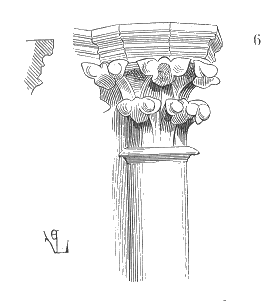
- Architecture: A tall, upright pillar supporting a structure or for decoration, like in ancient Greek temples.
- Writing/Layout: A vertical arrangement of text or data, such as in newspapers or tables.
- Military: A line of soldiers or vehicles moving in formation.
- Body Part: The spinal column, a series of vertebrae in the backbone.
- Science: In chemistry, a tube for separating mixtures; in botany, a fused reproductive structure in flowers.
- Journalism: A regular article or opinion piece in a publication.
Grammar Notes
Use “column” as a singular noun with “a” or “the.” Plural is “columns.” It doesn’t change form by gender. In tables, it’s vertical, contrasting with horizontal “rows.”
Interesting Facts
The word evokes the grandeur of Roman architecture, where columns symbolized strength and order—think of the Colosseum (from colossus, giant statue, akin to column). In journalism, “gossip column” became popular in the 19th century, turning personal opinions into daily reads. Fun fact: The “fifth column” idiom means hidden traitors, from a 1936 Spanish Civil War radio broadcast.
Tips to Learn Easier
Associate “column” with “pillar” visuals: picture a tall building support for architecture, or a newspaper strip for writing. Mnemonics: “Col-umn” like “call ’em up” vertically. Practice by listing table items in columns. Listen to podcasts on history to hear it in context—repetition builds familiarity.
Cultural and Contextual Features
In Western culture, columns represent classical ideals, seen in U.S. government buildings like the Capitol, blending Roman influence with democracy. In media, columns are personal voices in objective news, fostering debate. Contextually, “advice column” like Dear Abby offers guidance, a staple in American pop culture since the 1950s.
Examples
- Simple: The building has tall columns.
- Medium: She writes a weekly column for the local newspaper.
- Complex: In the ancient ruins, the weathered marble columns stood as silent witnesses to the empire’s former glory, now overgrown with ivy and explored by tourists.
Synonyms, Antonyms, and Common Combinations
Synonyms: Pillar, post (architecture); line, file (military); spine (body).
Antonyms: Row (for table entries, as it’s horizontal).
Common Combinations: Newspaper column, spinal column, column of soldiers, fifth column, column inch (ad measurement).
Mini-Tasks
- Make a sentence: Describe a column in your favorite building.
- Find a synonym: Replace “pillar” with another word in “The temple has marble pillars.”
- Practice: List three items in a “column” on paper, then read them top to bottom.